Welcome to WordPress. This is your first post. Edit or delete it, then start writing!
Author: admin
-
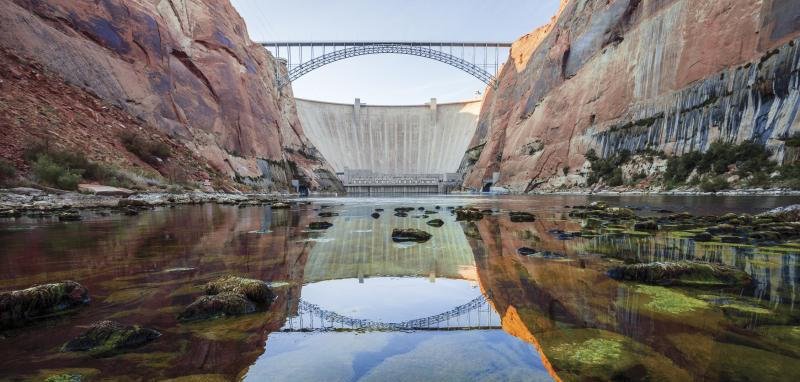
Q&A With Sub-Genre’s Brian Newman
DamNation – 2014
We met Brian Newman earlier this year in Park City while at our event Brand Storytelling at Sundance Film Festival 2017. Brian is no stranger to the film festival scene, as he has served as CEO of the Tribeca Film Institute and currently sits on the advisory board of the Camden International Film Festival. That, combined with his extensive experience in film and video media, lends itself to the work Brian does at his company Sub-Genre, a consulting firm that works with major brands by utilizing film and new media to implement strategic marketing campaigns. Sub-Genre’s clients include Yeti, Patagonia, and Sonos, to name a few. We got the opportunity to catch up with Brian this week about the work he does and his take on what makes a great branded story.
—
How does Sub-Genre enable a brand to communicate its message and ideals through story?
At Sub-Genre, we help brands by connecting them directly with talented filmmakers and story-tellers to create genuine, moving stories that communicate the brand’s ideals to an audience. We also build a campaign around these films to engage an audience through traditional film channels – theaters, film festivals, broadcast and online platforms. We build a movement around the film instead of simply buying eyeballs through ad-spend. In the best examples, such as Charged, from Yeti or DamNation from Patagonia, we can tell stories that resonate and inspire audiences to make a difference.
How do you partner the right filmmaker with a brand?
Before I founded Sub-Genre, I worked for years as a funder and supporter of filmmakers – running film festivals, the Rockefeller Fellowships and the Tribeca Film Institute. The staff here all have film backgrounds as well. Because of that background, I have great relationships with the best filmmakers in the business, and I know which filmmakers are right for which stories. I can also help build trust between the brand and the filmmaker, which allows them to tell a more creative story.What is the secret to generating and distributing a great piece of branded content?
The secret is having a great story and a great storyteller. Every aspect of the distribution is made 100 times easier when you’ve got a great film. We spend a lot of time as story-editors – not adding more brand messaging, but making sure the filmmaker tells the best possible story. We start as early as eighteen months before the film launches, building an audience for the film, positioning it with the top film festivals and finding the best way to leverage the brands other marketing assets to bring the film to the largest, organic audience possible. And we work with lots of partners for every launch- film publicists, theatrical bookers, nonprofit’s working on related causes, and others who can help us make sure the film finds its audience in the marketplace.
—
Watch for weekly news updates from Brand Storytelling in your inbox, and share this with other storytellers in your network.
Of course, if you’d like to contribute to the story, We’d love to hear from you. Email us!
-
Breaking Up is Hard To Do: Letting Go of Your Logo
Recently, I sold my shares in a business I founded, to my partner, Shaftesbury, a leading production company.
We had to update a 30-year-old brand to include the new and growing business of branded entertainment. If you’ve ever been through a branding exercise, you know it’s tough – we worked for days on our brand essence, our shared beliefs, emotional drivers, product attributes and functional benefits to help position ourselves in this highly competitive market. The debates got heated, as they should; we were defining how this brand would grow in a highly competitive and disruptive business. Yet somehow, when the new logo arrived, it became the focus of our efforts.
We have all been there. This exercise is repeated again and again in marketing meetings around the world. You have spent time and created great work that reflects your brand values and how your brand can make a difference in people’s lives, and when you sit down to share your content the first thing your CMO will say is, “the logo isn’t big enough, the logo needs to appear sooner, it’s too close to those other logos.” They become vigilant about the logo.
One of my clients was telling me about quantitative research they conducted in an effort to determine awareness of a brand’s name and logo. Perceptions of the brand’s current logo proved to communicate the brand’s functional benefits, but there was a lack of understanding of what the brand stood for. It was seen as “generic,” subliminal in some ways, like “muzak”. The brand wasn’t communicating its emotional benefits or a compelling and differentiated positioning to help drive preference over its competitors. They were missing the value of the brand.
We have lost sight of the importance of the values and stories of a brand in favour of a logo. We are practicing helicopter marketing! Like helicopter parents who smother their children, creating a cohort of young adults who struggle to deal with changes in their lives, brands are being smothered by the need for logo first, resulting in their stunted brand development. At a time when traditional advertising is losing impact, especially with a younger consumer, helicopter marketing can have long-term effects on the health of your brand, including:
A lack of brand independence.
With the rise of influencers, rating and review sites, other people will now be telling your brand story. You won’t be there to position your logo or convey your brand attributes; the brand has to be able to stand on its own and have confidence that the true brand story will be told.
Learning from mistakes.
Never have we seen such disruption in the consumers’ path to purchase. Limiting opportunities to practice and learn important skills and best practices will stunt the growth of brands who will struggle to keep up with the massive change required to get the attention of an audience.
Low brand worth.
Your brand has only a second to make an impression; the logo is only a symbol, the real connection is the value your brand brings to its potential buyer. A recent study by Wunderman found that in the U.S., “79 percent of respondents said they only consider buying products from brands that show they care and understand their consumers.” The logo alone can’t do that!
Many brands conceptually understand that the audience needs to come first – they are not tuning in to see your brand. But how do you take a back seat when you are paying for the content? How do you increase awareness of your product if the consumer can’t see your logo, let alone how you position your brand?
In 2014, we were hired by U by Kotex® to find a way to connect to young women 18-24, a demo that is blocking ads and cutting cable in record numbers. The challenge: reach this demo in a category that has strong competition from a legacy brand (once a woman has found a fem hygiene product that she trusts, she is typically not willing to try a new product). U by Kotex® launched in 2010 with a video called Reality Check that made fun of the way traditional tampon advertising talked to women about their period. The video was fun and relatable, just like the brand’s colourful packaging and black box. However, trust – a key benefit that was needed in order to convert users – takes time to establish, and one-off videos and ad campaigns are expensive.
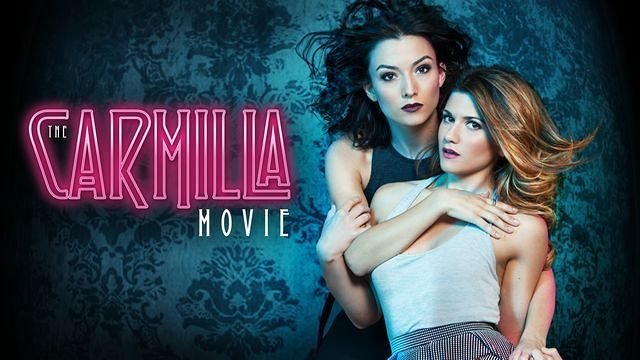
Our suggestion was to create an ongoing story in the tradition of TV soap operas with great characters, story arcs and cliff-hangers. We told the brand they had to take a back seat; the brand had to come last. In fact, we were not going to mention them by name, have product placement or include a “brought to you by” until we had developed an audience. Enter Carmilla, a broody vampire, and 3 seasons and 80M views later we have a global fandom. However, for the first 17 episodes we never once mentioned the brand or had product placement. Rather, we offered the audience this great content that they fell in love with and couldn’t wait for the next episode – and it was funded by a brand.
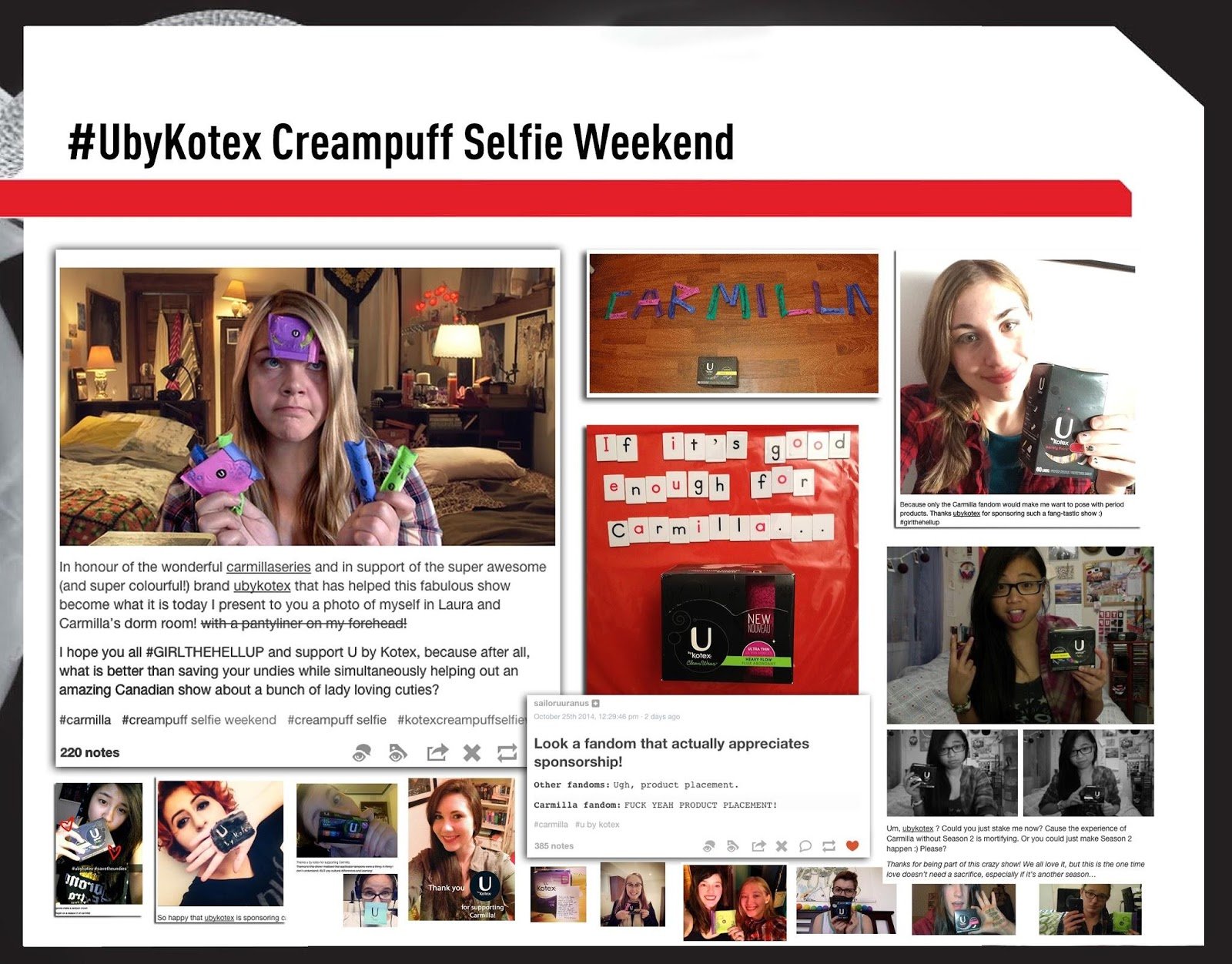
During episode 18, we released the name of the brand and the fans went out in record numbers to personally thank U by Kotex®. The agency and the brand were not prepared for the onslaught of praise including women wearing crowns and necklaces of U by Kotex® tampons. Post research also found that there was 94% unaided brand recall in conjunction with the series. Keep in mind there is not one logo or reference to tampons or pads in any of these episodes. The brand allowed the story to come first and brand last, resulting in a lasting impression and a community of loyal fans of the brand. Carmilla is now a major motion picture and is in development for a TV series and book deal.
This is brand content at its finest, thanks to a brand that understood audience first and brand last, and a brand manager who at the time that was considered by many to be “brave” because she removed the logo.
If you feel you are still suffering from helicopter marketing, what can you do?
1. Start with small changes.
Take one campaign and use it as an A/B test. Only have one reference to your brand when you must and then step back and let your brand rise to the occasion. Pepsi management introduced the 70-20-10 budget formula, incentivizing brand managers to go outside their comfort zone and use 10% of their budgets to try new ways of connecting with audiences.
2. Let the audience come first.
Focus on equipping your team with the skills they need to do this. Learn from other industries that have built their business based on building audiences. TV, movies and sports teams have built their fans by thinking of their audience first. So instead of forcing your brand benefits into the content, teach your team – including the C Suite, the signs of an engaged audience.
3. Don’t rely on your logo to convey your brand.
Remember your brand story, its heritage and core values and benefits for the consumer. We have to remember that the brand should be capable of standing on its own. If you removed logos and product shots from the content would the audience recognize the brand? My guess is they would.
As consumers become savvier at avoiding your ads and controlling the relationship with brand purchase through voice, the stakes are higher. Resisters to change could mean brand decline, loss of market share, or worse. So remind yourself, we are at a tipping point and it can be in your brand’s favour as long as you see your brand as an educator, influencer and entertainer. An audience-first strategy virtually ensures that the brand will not pay a higher price later.
About Kaaren Whitney-Vernon
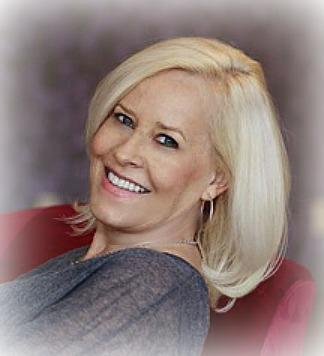
Kaaren Whitney-Vernon is SVP, Branded Entertainment of Shaftesbury. Shaftesbury is in the business of storytelling and creating deep, dynamic fandoms. She is a sought after speaker and a visionary for the future of marketing. Before this position, and while on the road to becoming one of the best known experts in the branded content space, she was CEO and founder of shift2, a Branded Entertainment agency and is the founder of Youthculture Inc., a youth-focused media company specializing in creating branded programs. Kaaren now heads up the North American chapter of the Branded Content Marketing Association as their president and is working towards a new model for measurement while providing a voice for industry experts.
—
Watch for weekly news updates from Brand Storytelling in your inbox, and share this with other storytellers in your network.
Of course, if you’d like to contribute to the story, We’d love to hear from you. Email us!
-
Q&A with SVP of Brand Partnerships at Awesomeness, Harley Block
Following up our coverage of Versus, the new scripted series from Awesomeness created in partnership with Gatorade, Brand Storytelling wanted to get a little more information on the inner-workings of this forward-thinking content deal. For that (and more), we reached out to Harley Block, Senior Vice President of Brand Partnerships at Awesomeness to get the rundown on the series origins, the importance of brand partnerships, and what the future holds for Awesomeness.
—
Where did the Awesomeness & Gatorade deal / idea start?
Gatorade approached us earlier this year with the idea of creating an original piece of IP in support of their larger “Sisters in Sweat” initiative. The initial inspiration was along the lines of a Friday Night Lights for teen girls featuring female athletes – and took on an entirely new dimension and framework as we progressed through the partnership.
Regarding the creative, is it all Awesomeness creative and just Gatorade dollars, or do they have creative input? How does that work?
It’s incredibly important to us that our partners have actual skin in the game from a creative standpoint. It’s a collaboration in every sense of the word in that our team will take the initial creative direction from the brand, establish a set of ideas and treatments in line with that direction and then work from there in partnership to refine and iterate on those ideas to ensure that we’re A) able to map the final product back to the initial brief and most importantly B) that we’ve landed on something that can function as a standalone piece of IP and entertainment.
What are the main points you’d like to share – what do you want our readers to know about this project?
The series highlights the challenges the teen female athletes face on and off the field and highlights the important life lessons girls learn through participation in sports that can help them succeed later in life. “Versus” launched in tandem with Gatorade’s new campaign, “Sisters in Sweat.” This campaign aims to shed light on the growing problem of girls dropping out of sports (teen girls today drop out of sports at 1.5x the rate of boys by age 14), by showing that staying in sports throughout their teenage years has long-term, personal benefits, no matter what they decide to go “pro” in.
How valuable are brand partnerships to Awesomeness?
We could not be more proud of the work we’re doing with our brand partners – it’s a critical area of our business that is on an exciting upward trend. Having the ability to help brands reach, connect and establish meaningful relationships with our audience through premium original entertainment is – in our opinion – the most effective method of modern advertising today. We try and stay away from the term ‘branded entertainment’. In our view, what we’re creating in collaboration with our partners is entertainment – period. That said, we’re acutely aware that our clients are in the business of selling products and services, so we do underpin everything we do with custom research that measures exactly that.
Awesomeness is leading the charge in the new media content space – how soon do you think we’ll see more creators working with brands in a similar way to you?
You’re starting to see more and more of it now, just to varying degrees of success. What really sets Awesomeness apart is that we were born – and remain today more than ever – a consumer brand first. Because of that, we are not simply producing content and then handing it over to our partners to figure out (and fund) distribution. Given that we have an audience coming to us every day on digital the way that you and I used to go to MTV, we’re able to provide our partners with a guaranteed and laser targeted audience that’s already leaning in vs. being interrupted.
What does the future hold? Any new projects on the horizon?
Our focus continues to be on creating a broad spectrum of content purpose-built for a Gen Z audience and distributed to them in the places where they are spending their time. That will manifest in a number of exciting ways as we continue to expand our OTT presence, platform partnerships, and international footprint.
Final plug – anything else you want to say about Versus?
Giant thank you to some of the best partners in the business – Gatorade and their agency teams – who have been instrumental in making this important project a reality. Our hope is that the audience continues to be entertained, inspired and motivated.
About Harley Block:
Harley Block is Senior Vice President/Head of Brand Partnerships at Awesomeness. Harley leads a national and rapidly growing team focused on helping some of the world’s most important brands connect with their audiences through original entertainment, IP development, and strategic distribution. He oversees all aspects of the business ranging from influencer marketing to broader partnerships with brands such as Gatorade, Invisalign, Hollister, NFL, MLB, Kraft, and more. AwesomenessTV’s branded entertainment work has been the recipient of several awards including Best Branded Content at The Shorty Awards for their work with Royal Caribbean on “Royal Crush,” a runaway franchise that spanned four seasons.
Prior to Awesomeness, Harley led the award-winning Brand Strategy and Sales team for Tumblr’s East Coast region working on building and executing content-led partnerships with clients such as Unliever, Google, Samsung and many others. He has also spent time in various capacities on the digital agency side at places such as R/GA and Edelman as well as some strategic digital consulting with HBO.
—
Watch for weekly news updates from Brand Storytelling in your inbox by subscribing, and share this with other storytellers in your network.
Of course, if you’d like to contribute to the story, We’d love to hear from you. Email us!

-
Technology, Design and the Future for Brands and IPs
By Marti Romances, Creative Director and Co-Founder at Territory Studio, San Francisco
We embrace technology at Territory Studio and feel that design will typeface our future. While we are recognized for unique design capabilities on big-budget feature films, we also bring our design work into real-life products, projects, and experiences.
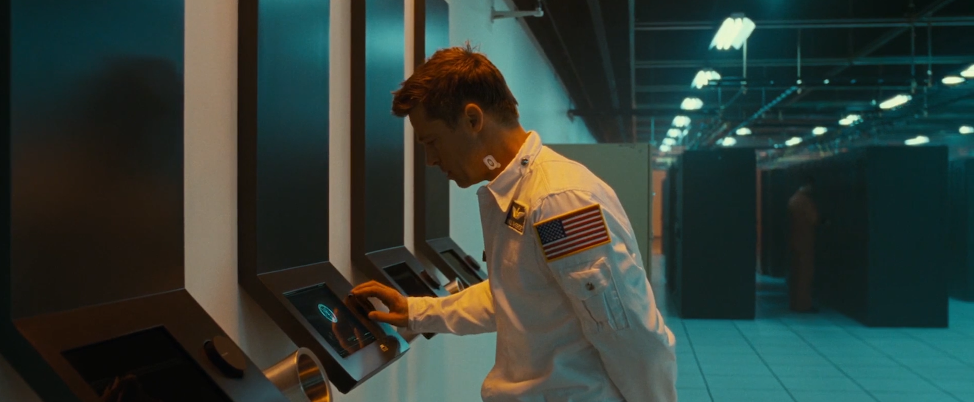
We do this not only because we already benefit from our world-building experience designing on culturally impactful films (including MCU’s Avenger franchise, Guardians of the Galaxy, Ex Machina, The Martian, and Ad Astra), but also because we believe that the future can be a better place for us all.
Our challenges have been astronomical for film, constantly charged with stepping into the future to explore alternate technologies that don’t even exist. Work on Ad Astra with director James Gray is a case in point, a project that saw us knee-deep in research with science and military consultants from JPL and NASA. But this experience allowed for its deeply informed design work, GFX constantly grounded in scientific and military references that give the film an authentic and believable vibe.
When we receive a screenplay we work diligently on interpretive breakdowns to identify where story beats can be told more effectively via motion graphics. Working on culturally impactful films in this way has been an amazing experience, but what we also love to do is designing new ways to interact with technology systems in real life. This is where our juices really get flowing…
More and more, films featuring future-facing technologies are increasingly shaping consumer expectations while simultaneously driving technological change. For this reason, I believe that design’s ability to leverage a brand’s appeal has never been so important.
Since my career began in design, technology has changed dramatically and transformed our lives for the better. Every day there is a new start-up or a new product in need of our services, looking for something fresh and original to help them communicate with audiences.
The wearable technology landscape is a burgeoning market worth over $50bn that has come to our attention, an industry that seeks forward-facing design work to attract and maintain buyers. This industry has continued to evolve and offer increasingly sophisticated options for wearers. And so it is important to enhance and improve interface designs to embrace these changes.
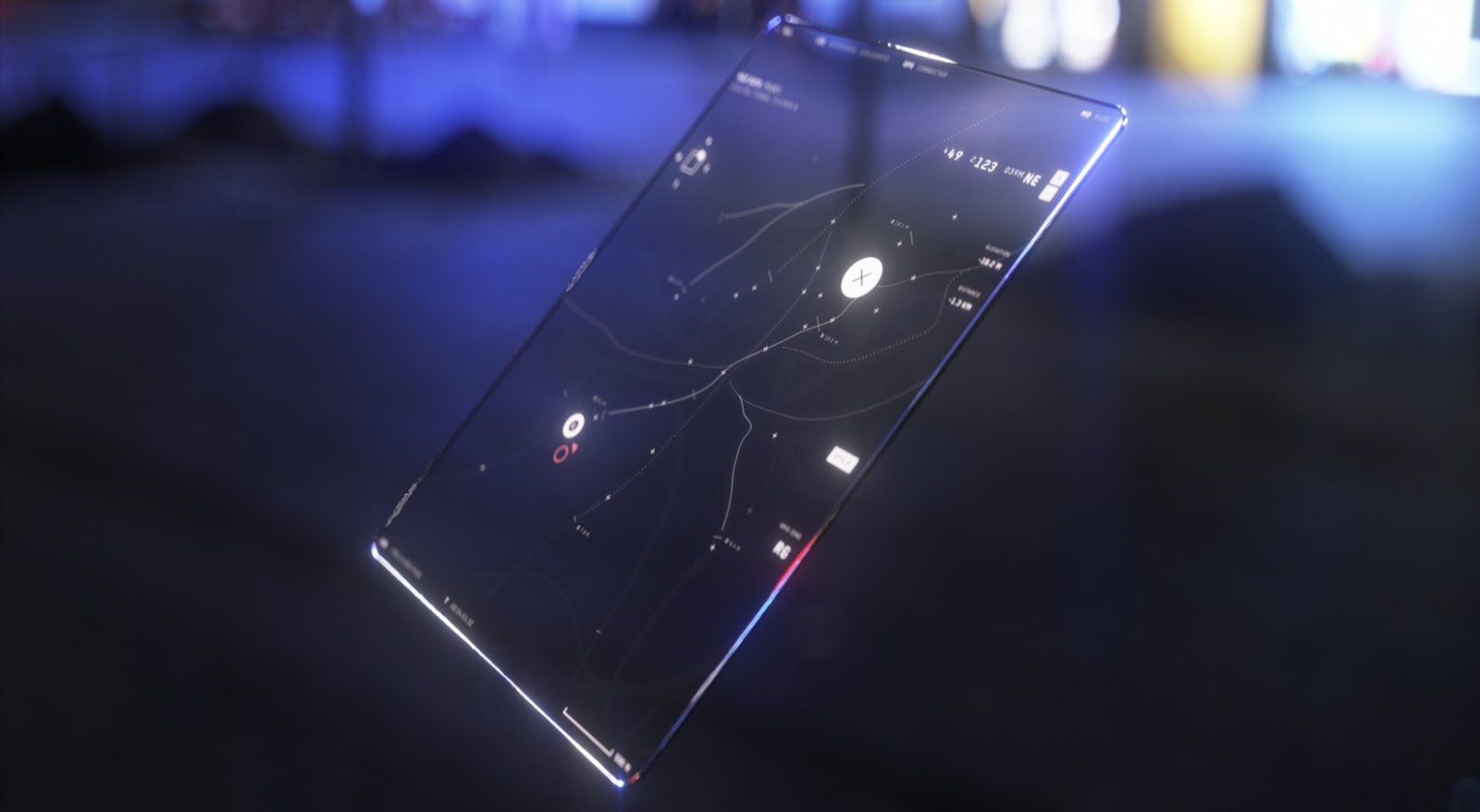
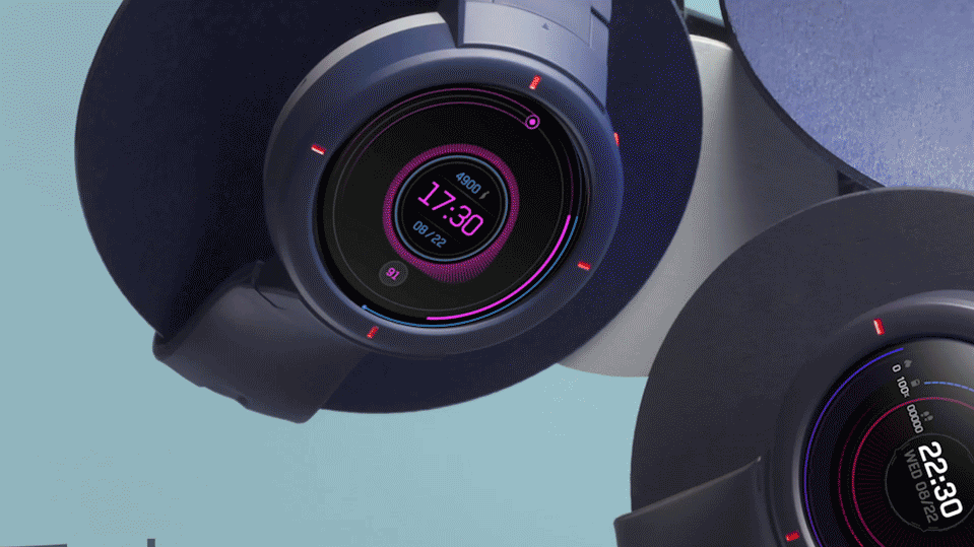
Huami recently requested similar UI designs as seen in our catalog of film work for use in its Amazfit Verge smartwatch. They wanted the surface of the watch to embody a fun, bold and futuristic aesthetic that would resonate with users that appreciate quality design. This brief gave us the freedom to bend and flex with ideas in new and exciting ways, ultimately pushing the visual language of the vivid AMOLED interface to create something fresh and unique, bringing the fantasy world of film into real-world technology.
The future in wearables offers exciting opportunities. We will see the emergence of smart textile technologies that will see brands offering us a multitude of clothing accessories. Fashion design in a high-tech culture will take on a new, bold approach as nanofibers and nano-coated clothing provides wearers with an insight into their body’s internal workings, giving us the opportunity to design on flexible and semi-transparent OLED displays. We will see garments detecting our posture and movement, mapping our bodies and signaling to us when we are slouching or bending, even changing color according to our emotions.
Meanwhile, Human Machine Interface (HMI) services for automakers continue to grow at our company, busy articulating design concepts that connect drivers with next-gen technology. It is another industry embracing change and in need of effective design work to connect new technologies to drivers.
Not so long ago everything in our cars was mechanical, even the clock on the dashboard was analog! Now the inside of most vehicles has become screen dominant. Our ability to use 3D real-time rendering tools has helped us immensely as we design, especially for auto clients such as Lincoln. Big processors are a thing of the past, and we can render photorealistic designs very quickly, a highly valuable resource to run different scenarios that show Lincoln what drivers will encounter on the road. They see firsthand how new technology works, and experience traveling at 20mph compared to, say, 80mph where reaction time is a huge factor.
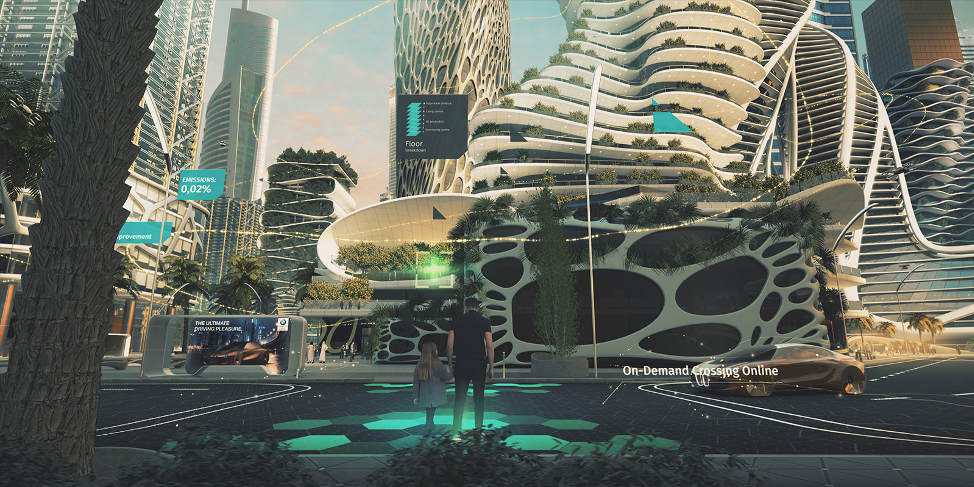
I also feel that there is a need for us to invest in solutions that lead to a safer and more sustainable future. Recent collaborative work with Fuseproject springs to mind, an Ives Béhar shop that develops cohesive brand and product experiences. It was a fascinating project that envisions faster and more efficient movement for people living in busy, bustling cities.
Tasked with designing a model of a near-future metropolis, the work demonstrates the potential of automated mobility in comfortable travel pods that predict a passenger’s needs – a fleet of personalized pods facilitating fluid movement within a city’s already entrenched transportation infrastructure.
These are the kind of exciting ideas that we see companies creating, and it is this kind of work that gives me faith in our future. Brands come knocking on our door because they are excited about our vision of the future, as well as our ability to anticipate their customer’s needs in a sometimes frantic and fast forward world.
About Marti Romances
Marti Romances is Creative Director and co-founder at Territory Studio in San Francisco. Born and educated in Barcelona, Marti draws from a range of influences, disciplines, and perspectives to design breakout content for gaming, film, brand and digital clients. A motion graphic designer and multi-media artist, Marti articulates stories in the most captivating ways, drawing on his expertise of blending creativity with technology to realize innovative future-facing experiences for a myriad of clients.
Marti’s technical virtuosity is on display in fantasy, futuristic, and commercial projects. His visual and experiential narratives define the future of film, UI graphics and motion design seen in The Martian, Avengers: Endgame, Ex Machina, Ready Player One, and Guardians of the Galaxy — compelling designs that have attracted forward-thinking brands such as Lincoln, Huami, Land Rover, and Volvo who seek similar design work featured in real-world technology.
Meanwhile, Marti’s continued willingness to experiment with bold ideas in new and exciting ways has garnered standout gaming clients such as EA Sports, 2K, Monolith Games, and Microsoft. Marti also serves as an inspirational speaker, sharing his thoughts and experiences on design and creativity at events such as Siggraph, Nike Immersion Labs, XDS and Adobe MAX.

-
Getting Real about Brands and Impact Films
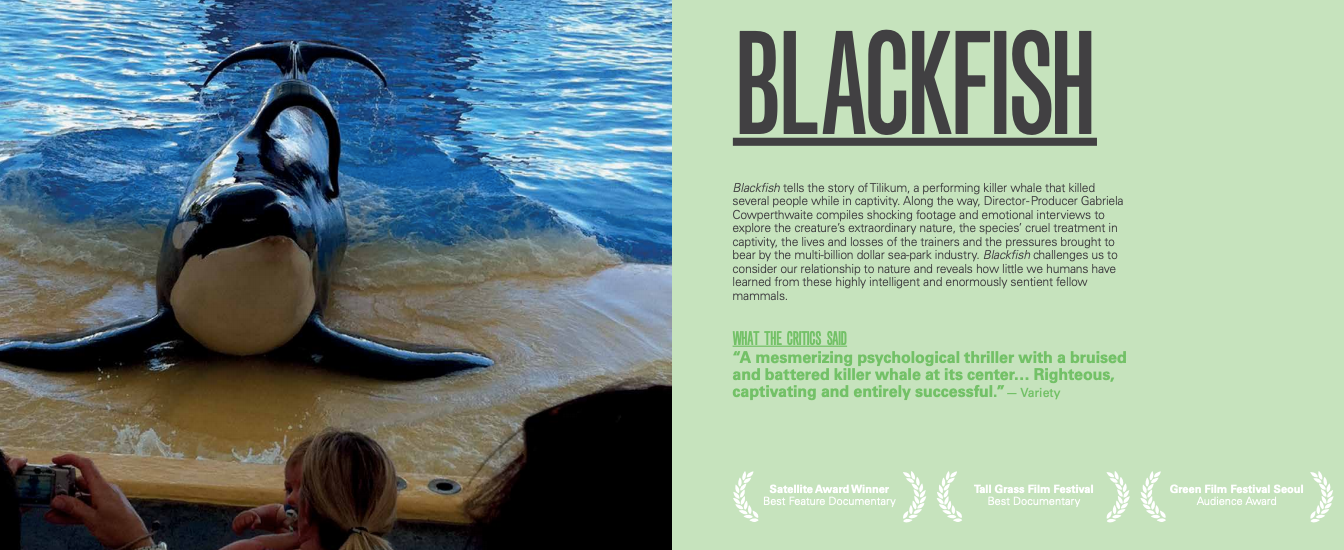
As more brands move into making content, especially long and short form film, many are starting to make films intended to have social impact. While films and media made for impact aren’t right for every brand, they increasingly make sense for brands wanting to share their values with consumers who consistently say they want brands to take a stand. But while many brands are making impact entertainment, too few are actually doing what it takes to have an impact, and need to start thinking harder about what impact means – before audiences (consumers) begin to see this as more cynical “purpose-washing” and brands meaning to truly have an impact have difficulty rising above all of this noise.
In a recent study from Soul Pancake, Participant Media and BrandStorytelling (conducted by the Harris Poll), “three out of four C-suite members say they are comfortable investing in impact entertainment, with 86 percent of the C-suite respondents noting they plan to increase or maintain impact entertainment spending over the next three years.” But tellingly, the same study showed that “more than 60 percent of respondents said brand awareness was the most significant success factor, while less than 40 percent responded that “positive measured change in the issue” was a success factor, a more than 20 percentage point difference.” As the study’s authors noted- this is a problem.
This gap – where brand awareness matters more than actual impact – is easily detected by consumers. People can sniff out false marketing pretty fast, and it’s no longer enough to just signal your values – people want action. And impact doesn’t happen just because someone watches your film. Watching your impact film can lead to increased awareness about an issue, and even empathy for the people and issues depicted. But for a film to truly have impact, it needs to lead to some form of action – usually changed behavior. This could be joining a cause, or signing a petition, or contacting a Congressperson. Or just telling others to see the film so it changes their minds as well. In many ways, making an impact film is just an excuse for all the things you can do around the film that lead to impact. But too often, brands just release the film and assume the job is done.
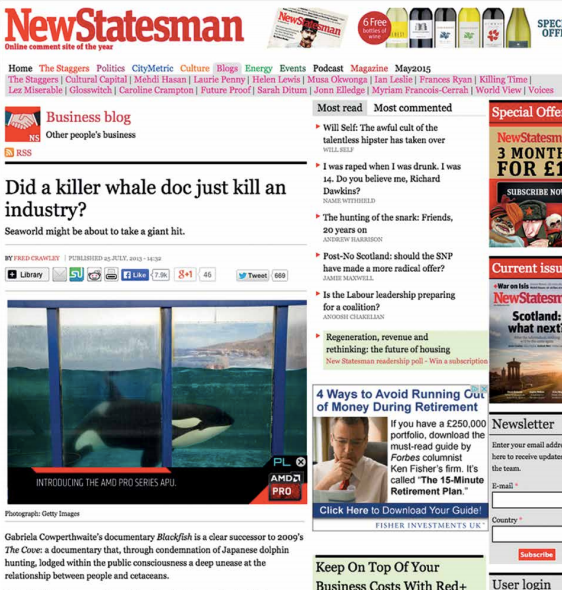
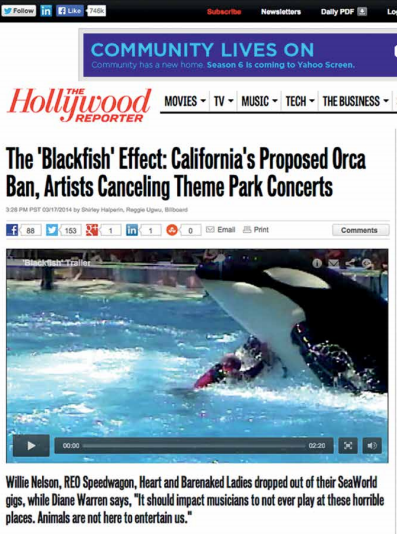
The New Statesman on BlackfishThe Hollywood Reporter on Blackfish
Without this extra component, audiences are likely to see your impact entertainment as just another commercial, albeit one for your values. Brands that truly want to have an impact – and want their consumers to know this – need to begin budgeting for actual impact campaigns, and need to set clear, realistic goals and metrics for impact before they release their film (and often before they make it). But the Impact Entertainment report also showed that 53% of respondents lacked the knowledge to start an impact initiative. So how do we bridge this dual purpose and skills gap?
The traditional documentary world has been making impact films for quite some time, and there’s an entire sub-industry dedicated to ensuring that films have an actual impact. In fact, the field became so obsessed with impact a few years ago that filmmakers could barely find funding if impact wasn’t an express part of their agenda. Organizations such as the Doc Society (which runs the Good Pitch) held boot-camps and studies to create best practices for having an impact through media. Working with leaders in the field such as Sundance and the Ford Foundation, they even created a Field Guide for anyone interested in having an impact through film (it was just updated this past week). This guide is a good place for brands to start learning about how to truly have an impact. It’s long, but it’s one of the only comprehensive places to study impact and incorporate it into your work.
But there’s more that can be done. The conversation around impact is ongoing in the traditional doc world – at events like Good Pitch, and also conferences and festivals such as Sundance, Hot Docs, IDFA, the International Documentary Association’s Getting Real Conference and more. The brand-doc community needs to integrate more with the traditional-doc community. Brands can learn a lot about best practices for impact, and probably bring some much needed marketing experience to the conversation. But we have to get these two groups in the same room more often.
Getting any film seen by audiences takes hard work, but luckily this work can overlap with having an impact. Partnering with grassroots groups working on the issues on the ground can lead to impact, and butts in seats (or eyeballs on screens). Tying your goals for a film to your existing CSR objectives can help build employee buy-in, lead to obvious partners for screening and impact outreach, and make your values more transparent through action. Many brands have teams that are well-connected with politicians working on these issues – show them your film, and have them meet with groups advocating on these issues. Raise awareness to your customers through all of your marketing and retail channels. Spend marketing dollars not just to promote the film, but also to promote the impact campaign around the film, which can also have the dual effect of getting the film seen while having actual results. These are just a few of the things brands can do to increase impact – the Field Guide can help you think of more. So can speaking with brands that are already doing this – I won’t name names here, but we all know which brands are taking more concrete actions, and many will share lessons learned (perhaps at BrandStorytelling in January).
You don’t have to set out to completely change the world. But by tying measurable impact goals to your film’s release, you can ensure that the viewer knows you are serious about the issues in your film, and can join you in taking even small steps towards addressing those issues. This will elevate your brand above the noise of those engaging in “purpose-washing” and let your film have real impact.
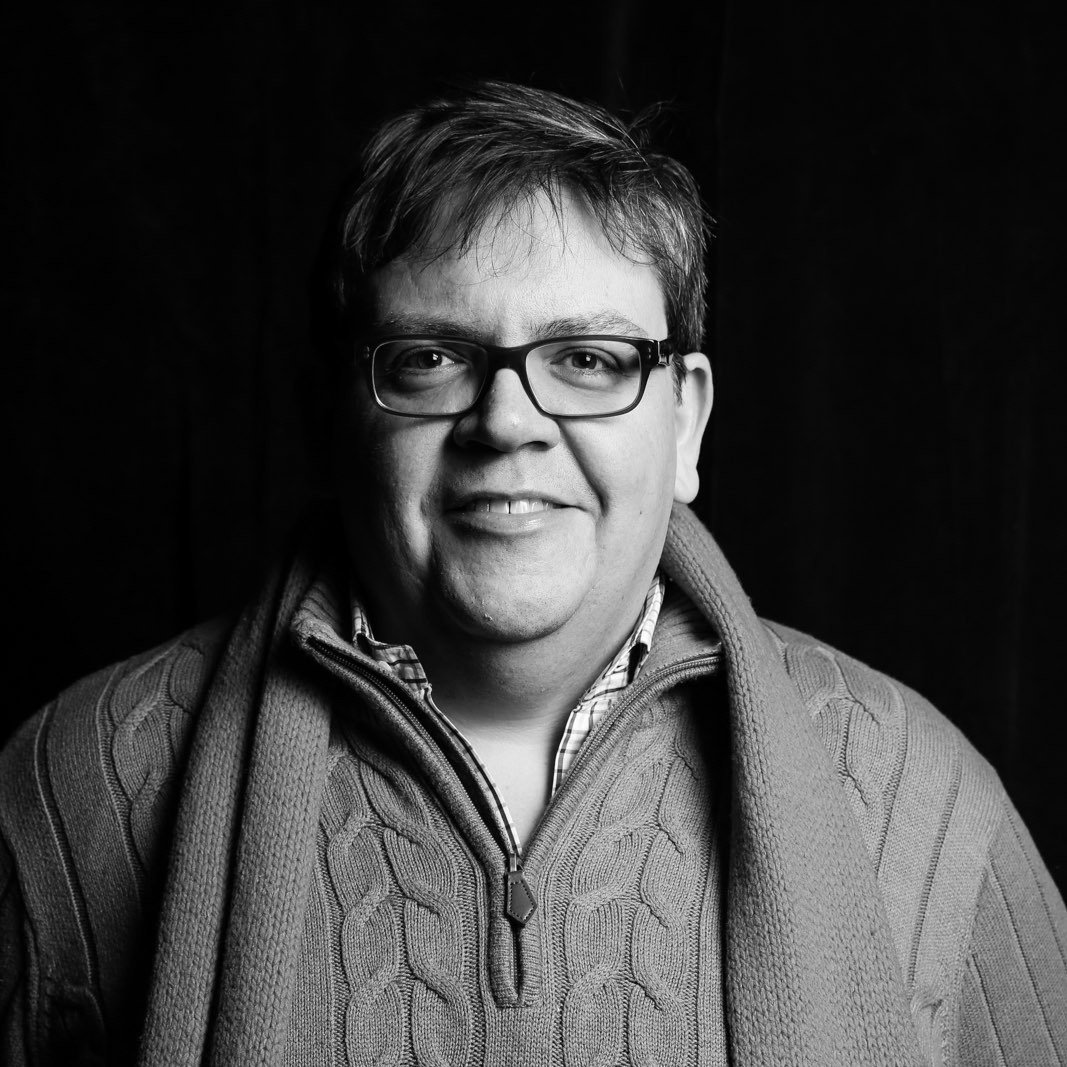
About Brian Newman
Brian Newman, founder of Sub-Genre, consults on content development, financing, distribution and marketing to help connect brands and filmmakers with audiences. Clients include: Patagonia, REI, Keen, Yeti Coolers, New York Times, Shopify Studios, Stripe, Sonos, Sundance, Vulcan Productions and Zero Point Zero. Brian is the producer of Love & Taxes, The Outside Story, and The Ground Between Us, and executive producer of Shored Up. Brian has served as CEO of the Tribeca Film Institute, and is on the advisory board of the Camden International Film Festival.
-
Brand Storytelling Live Streams: The True Story of Brands Telling True Stories
Live on Zoom – Wednesday, April 29th at 12:00PM PST
The craft of journalism is traditionally rooted in the relentless pursuit of the truth. Good journalists seek that truth, fight for it and often must challenge even the highest authority when they have sound reason to believe they are being led astray. Now, more than ever, the skills of journalists are being put to use by brands who want, not necessarily their truth-seeking prowess, but instead the emotional honesty in their storytelling approach. It is that emotional honesty and rawness that builds loyal and lasting connections with consumers- all without the loud clanking of a clumsy call to action. Storytelling…not storyselling.
But what’s the best way to make it happen smoothly and effectively inside organizations seemingly hellbent on the sell…the bottom-line buck, with their logo front and center? Let’s talk about it on Wednesday, April 29th @ 3pEST: Join our live streaming event, “The True Story of Brands Telling True Stories”. Hear from four journalists finding success, making an impact and helping brands foster the priceless connections they dream about. We’ll tackle the varying definitions of brand journalism from one company to the next and the fact that some form of standardized measurement of success is not only realistic, but unequivocally required. By sharing their paths from journalism to corporate America, the panelists will offer ideas on where a journalist should best fit inside an organization and how their ethics can be relied upon for a balance between “the sell” and the story. It might just be that even during this current pandemic, when people are most certainly not interested in being sold, they are beginning to put their trust in brands more than the media. The onus for responsible, honest brand storytelling could be greater now than ever. Who better to take on that responsibility than journalists?
REGISTER FOR LIVE STREAM HERE
Discussion Topics:
Defining Brand Journalism: The difference of this definition between organizations and industries is vast. Should we all be talking about the same thing before tackling some mode of standardization for metrics?
How, when and where does a journalist best fit within an organization? Corp. Comms., Marketing or a separate separate editorial vertical? What is the best approach for collaborating with existing marketing teams who may need educating on the value of journalistic ethics in their storytelling?
We tell marketers they are all storytellers and we admire companies who are acting like media companies, but are they all journalists? Does it matter?
We have seen recents studies that show brands are beginning to earn the public trust more than news outlets. Could this have long term benefits or an increased onus of responsibility for brands that could signal a need for more trained journalists on teams?
Hosted by
Heidi Collins
CEO/Co-Owner
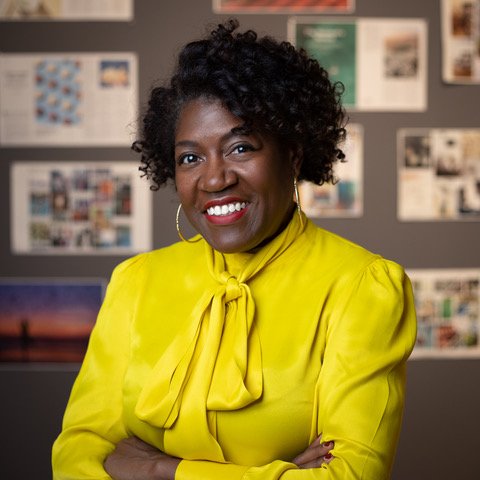
Thomas & Edwards GroupHeidi Collins spent the majority of her 23 years on air as a news anchor & correspondent at CNN. Her truth-seeking DNA and obsession with the craft of storytelling eventually led her on a new path. She was recruited by the CEO of Life Time, Inc. and created the Editorial Media Division. 55 brand short films later, she and her team of news photojournalist/editors now comprise Thomas & Edwards Group. The team works with several clients, primarily in the health & wellness space, to make lasting, emotional connections with their customers.
Featuring
Robin Bennefield
Editorial Director,
Marriott Creative and Content MarketingRobin Bennefield is Editorial Director of Marriott Creative and Content Marketing, leading editorial storytelling and content strategy across Marriott Bonvoy brands. She also serves as Editor-in-Chief of Marriott Bonvoy Traveler, Marriott’s online magazine telling good travel stories that inspire exploration of the world’s greatest destinations. Bennefield comes to this role with 25 years of experience as a journalist and digital media producer, encompassing work as a reporter for U.S. News & World Report, travel writer and expert for TravelChannel.com, as well as executive producer and editorial director of several Discovery web sites, including Discovery.com, TLC.com and AnimalPlanet.com. https://traveler.marriott.com/
Megan Wells
Award Winning Director,
Filmmaker & Content CreatorMegan Wells is a multi-award winning branded content creator and commercial, film and documentary director. She has spent more than 20 years working with major international broadcast, commercial and sports clients including Under Armour, Red Bull, Fox Sports, Google, Acura, NBA, MLB, NASCAR, PGA and NASCAR, Dove Beauty, Delta Air Lines, Sprite, Comcast, Gatorade, the Olympics and Chick-Fil-A.
She was formerly a Director and Executive Producer for Red Bull’s non-live/ long format productions group, as well as the the former Executive Producer and Director of Under Armour’s content house, and is the creator behind the “Under Armour Originals” entertainment franchise. In addition to her commercial and branded content work, she has created and directed six multi-episodic documentary series.
Angela Matusik
Head of Corporate Brand, Content & Creative
HPAngela Matusik is a digital content marketing executive who has developed, launched and re-invented brands, franchises, videos and digital products for over two decades. She spent much of career leading creative teams at media brands, including InStyle, People and NBC’s iVillage. She joined HP in September 2017.



-
Much Deserved Accolades for 5B!
Will this inspire more brands to tell impact stories?
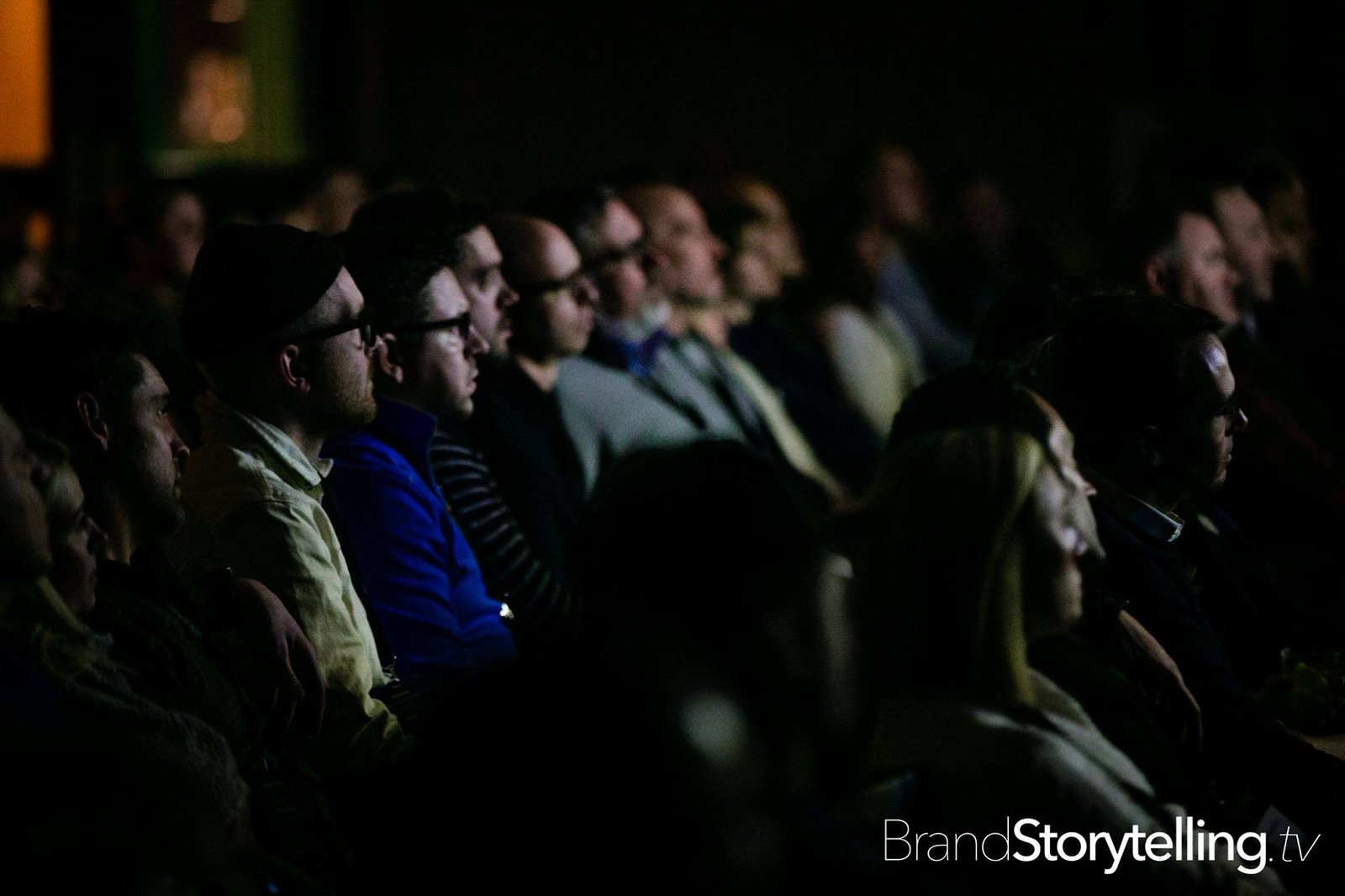
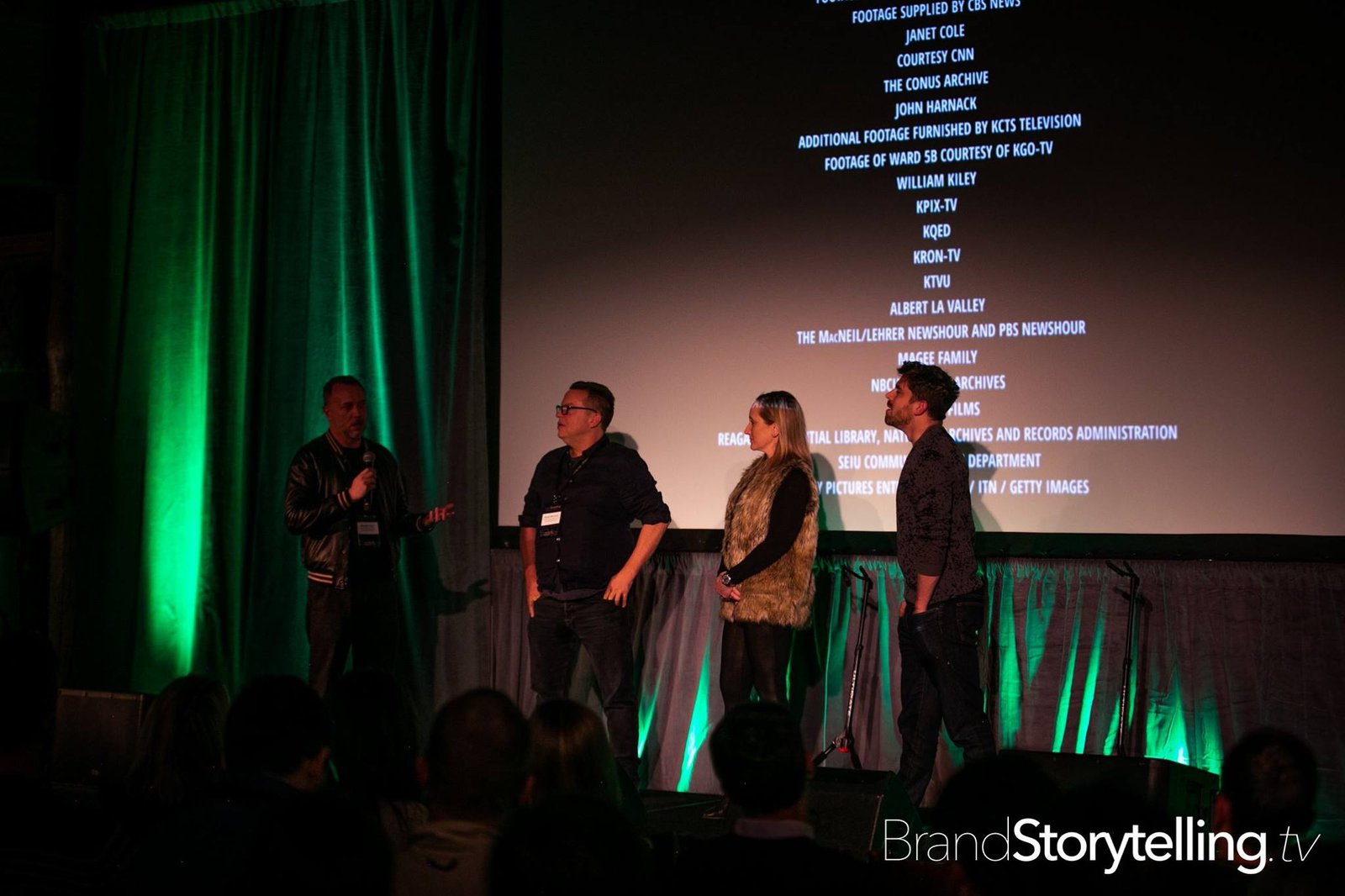
We were fortunate to screen 5B during Brand Storytelling at Sundance Film Festival this past January. I had been briefed about the film from both Brendan and Rupert and I knew it would be an emotion-driven story directed by top Hollywood talent. The film screened at 8pm on the closing night of Brand Storytelling in the Silver Lake Lodge on Deer Valley mountain. The room was full of brands, agencies, media and production partners. I was unsure how settled this audience might be during the closing night of a mega-networking event. I was hoping that the chatter would stop and people would focus on the film and the story. And did they ever! After the first 90 seconds, the room fell completely silent. When credits rolled ninety-four minutes later the audience still sat in a sort of stunned silence as we continued to absorb the impact of this heart-wrenching story. Respectful applause began softly and then more emphatically as we rose to our feet, many, myself included, wiping away tears.
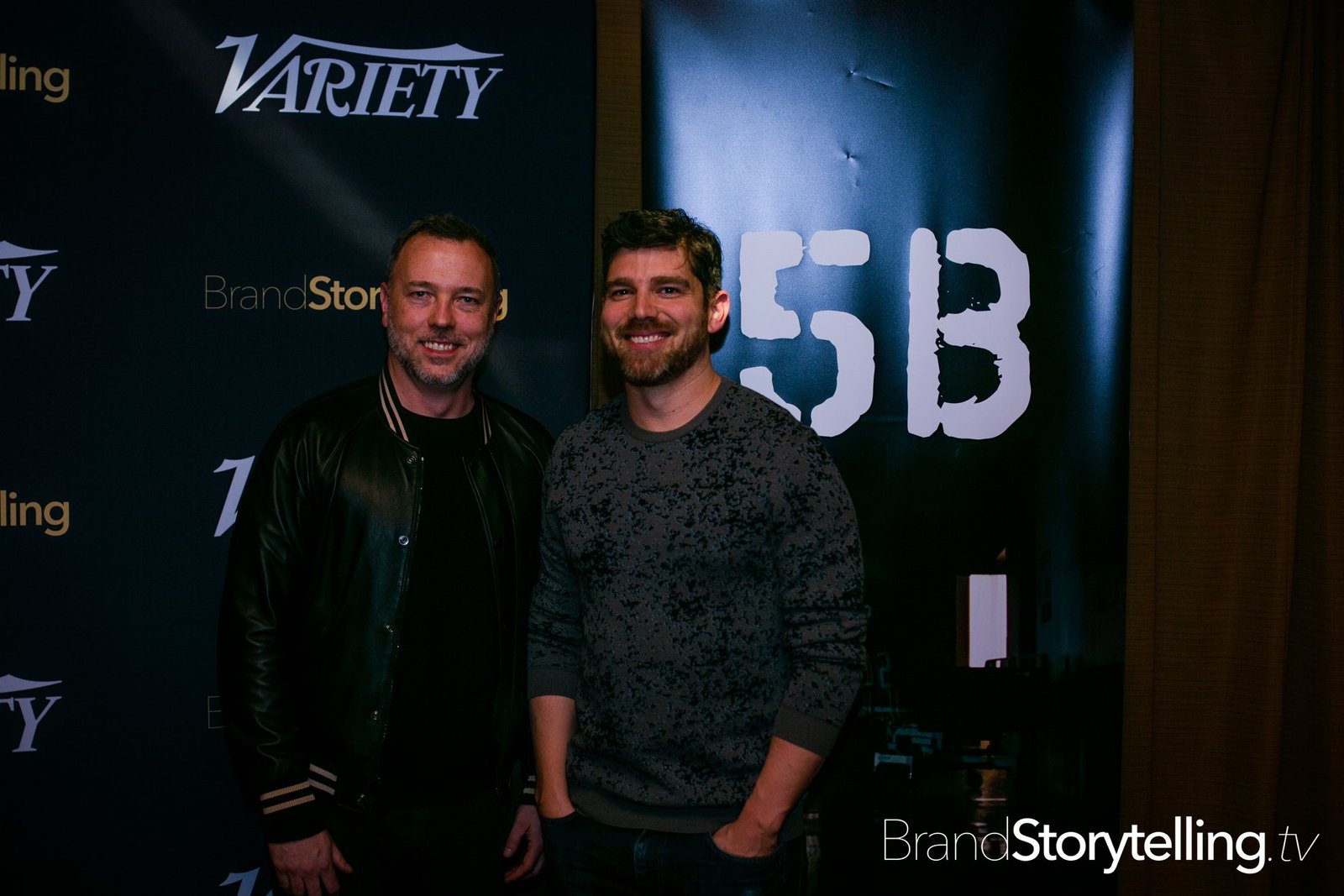
5B is a story that needed telling and J&J, to their credit, put the funding behind the project that brought it to life. This film is the first brand-funded film to be accepted into the Cannes Film Festival, which in the scheme of things, you might consider a greater honor than the Entertainment Lions Grand Prix. I’m wondering today how many brands are taking note of this accomplishment by J&J and considering funding of a feature film or series? This will be a topic at Elevate, July 28-31 as we reveal the results of a 500+ brand marketer survey seeking insight to the questions related to brand investment and participation in entertainment projects. I’m hoping we see more of this sort of bold brand move to discover and tell stories with impact. Seems like the right thing at the right time.
Your thoughts?
About Rick Parkhill

Rick Parkhill is a B2B media entrepreneur, founder of InfoText, Digitrends, iMedia and BrandStorytelling. A media junkie and observer, infatuated with the impact of media and technology on culture and society. Producer of over 100 advertising and media events, publisher, and journalist.
-

Getting Passionate with Strangers Using Storytelling
Generally, we think of it as rude to talk about ourselves too much in public.
We fear we’ll over disclose. We’ll be boring. We’ll inspire awkward silences. Or worse, we’ll come off as self-absorbed and uncurious. Which is just the worst.
As collaborators, we are always looking for new ideas, exiting opportunities and smart strategies. Our successes are based on meeting people and sharing enough about ourselves to inspire curiosity and learning enough about them to be able to imagine partnering.
Storytelling can help.
The secret is talking about your passion. Great stories hinge on powerful obsessions, high drama, and devotion to a person or cause. And you can bring this into your small-talk life, even on a relatively uneventful Tuesday.
Here’s how it works:
Step 1:
When we meet people, it’s important to help them understand what we do as a verb, not as a job title or a category of work. We are often embarrassed to admit that we don’t know what a person does when they give us their title. We don’t want to seem unsophisticated, so this can keep us from asking deeper questions.
Instead, we do our new conversation partners a favor when we explain a bit about what we do: “I made videos that focus on telling socially sharable, inspirational stories about interspecies animal friendships like dogs and dolphins or turtles and kittens,” is more revealing than “I’m a documentarian.”
But the real magic is in…
Step 2:
If we start the next sentence with the words: “I’m passionate about it because…” we can make our listener perk up, lean in and become instantly curious.
By explaining our passion for our work, we add excitement to the conversation. We are desperate to learn about what other people’s interests. We can’t get enough of people’s fire, their zeal, their verve.
Life is terrifyingly short. None of us need to spend one more minute talking about the weather!
And, once we talk about our passions, it invites our conversation partner to talk about his or her own. This is conversational magic. Because once we know a person’s passions, we can set the scene for much deeper collaboration.
Big Insight in Step 2:
When identifying our passion in front of a stranger seems daunting, it helps to ask: “What value does my work let me live out?” OR “How does my work enable me to bring the world into greater alignment with how I think it should be?”
Most of us are passionate about our work because it lets us change the world in some key way, or it lets us live according to our most deeply held beliefs.
For example: “I’m really passionate about interspecies friendships because I grew up in a house in which my family’s giraffe, wallaby and labradoodle were raised alongside me as siblings. It was really affirming.”
Well, that makes for pretty compelling small talk.
Step 3:
We can wrap up strongly by making our passions relevant to our listener by explaining how our work benefits them. This often takes a little guesswork, and maybe a little generalizing. But it always works. Just don’t put too fine a line on it. People will appreciate the gesture.
“When I’m good at my job, I can brighten people’s days, and maybe make them reconsider the roles animals play in their lives.”
Using these tips, you can spark curiosity, talk about passion and set the stage for powerful collaboration – all in under a minute.
About Megan Finnerty

Megan is a journalist and storytelling consultant. Essentially, she’s a professional listener, who likes to talk. It’s complicated. She’s the director of the Storytellers Brand Studio, which curates and hosts live storytelling events for brands and nonprofits. And she’s the founder and director of the Storytellers Project, a nationwide series of live storytelling events from the USA TODAY Network. She’s coached thousands of people to share true, first-person stories. She graduated from Purdue University, and was a news features reporter at The Arizona Republic for 14 years. She feels strongly about feminism, cocktails, and NPR, and prefers a bold lip to a smoky eye.
-
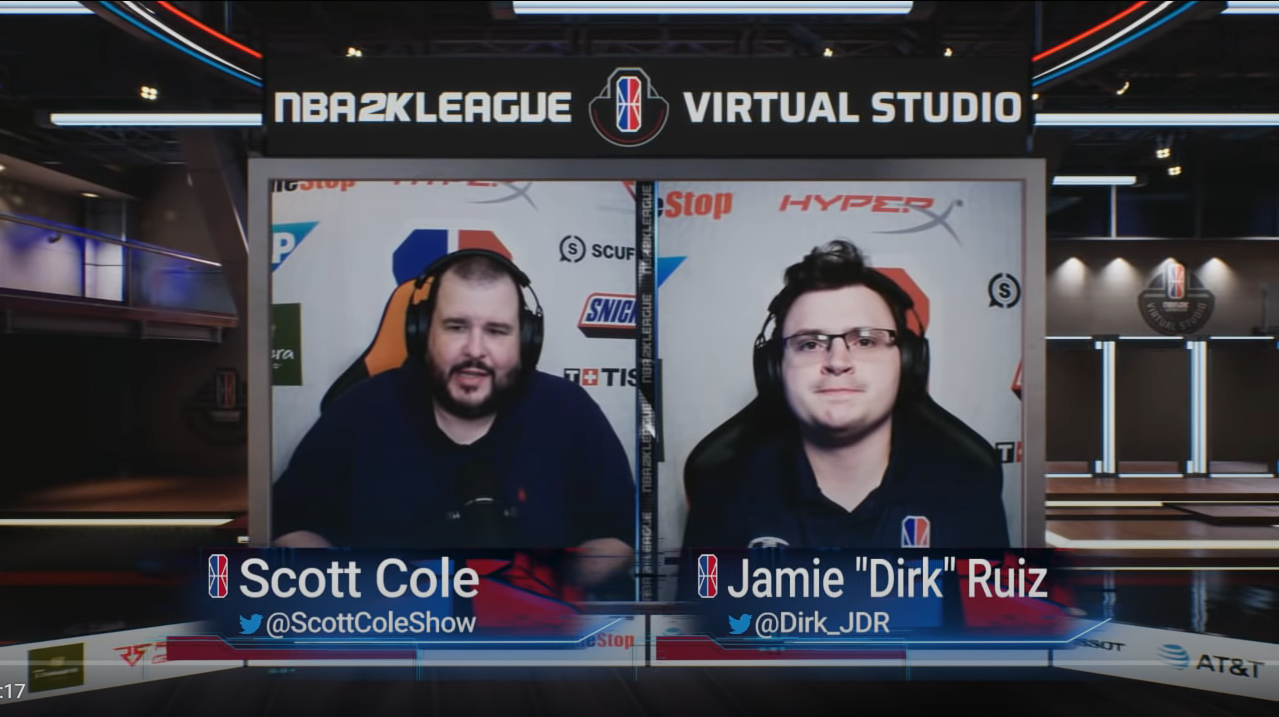
NBA 2K League & Brand Partnerships: Q&A with Head of Business Development Lindsay Ullman
Jordan Kelley, Content Director, Brandstorytelling.tv
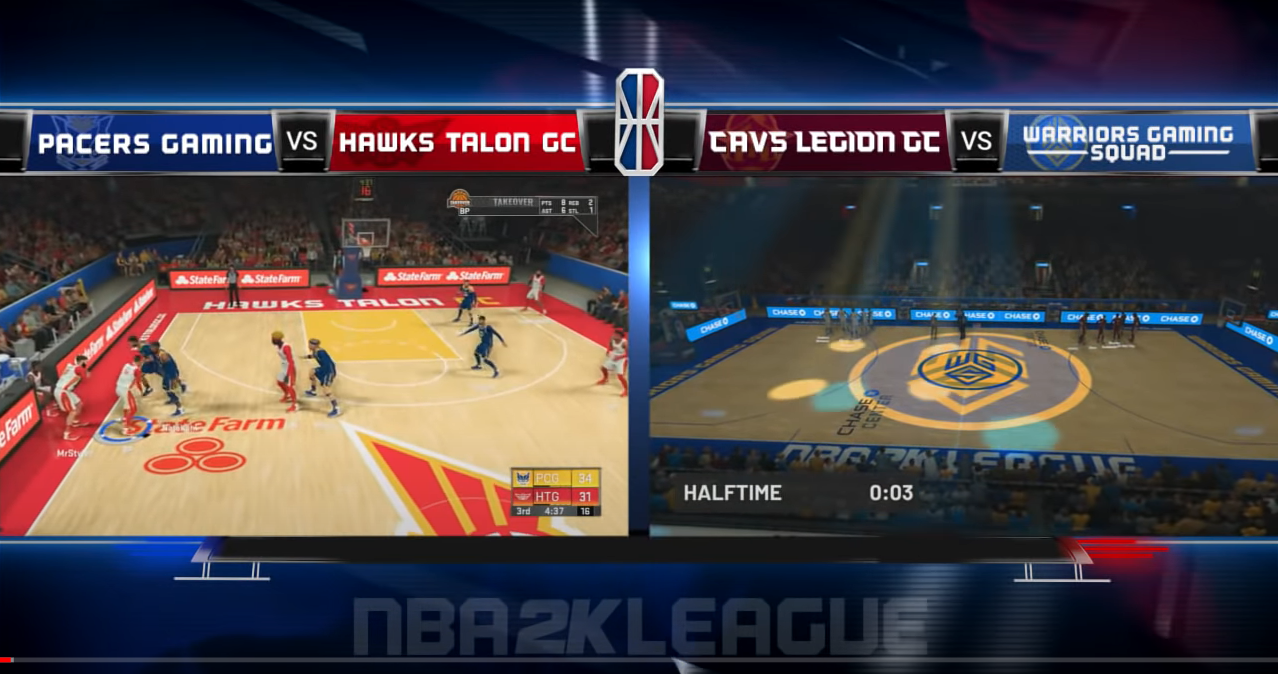
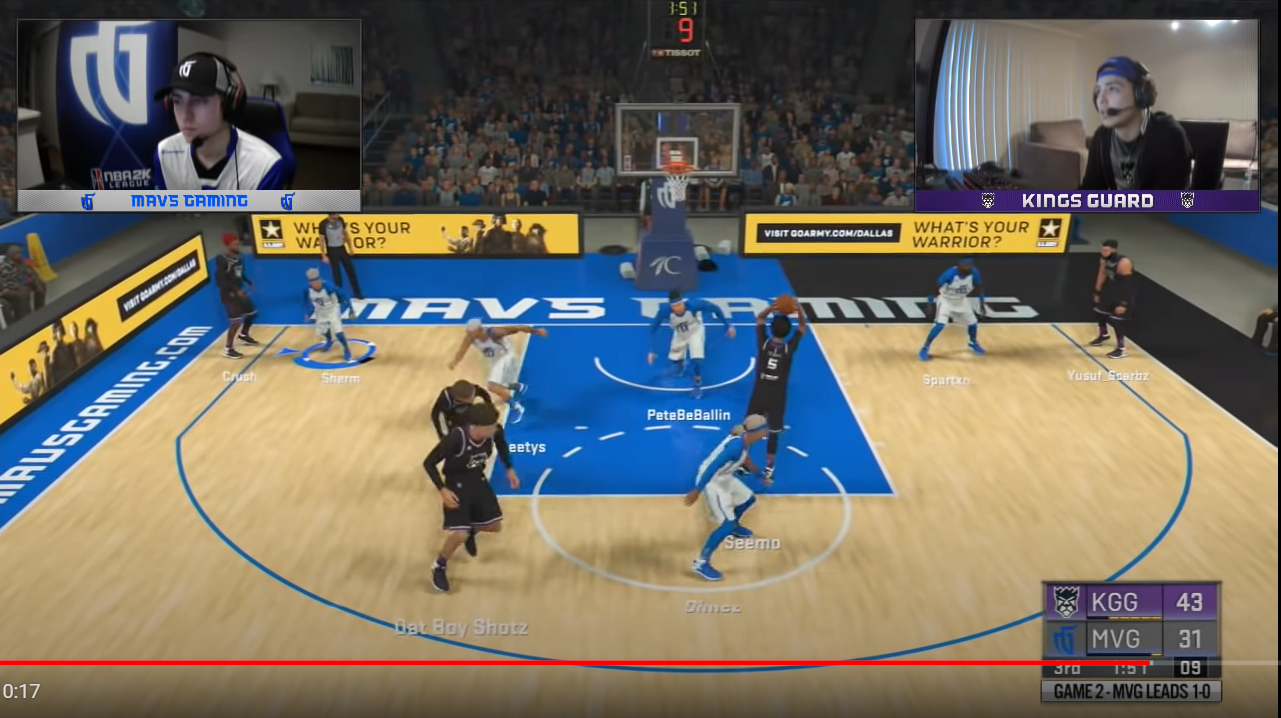
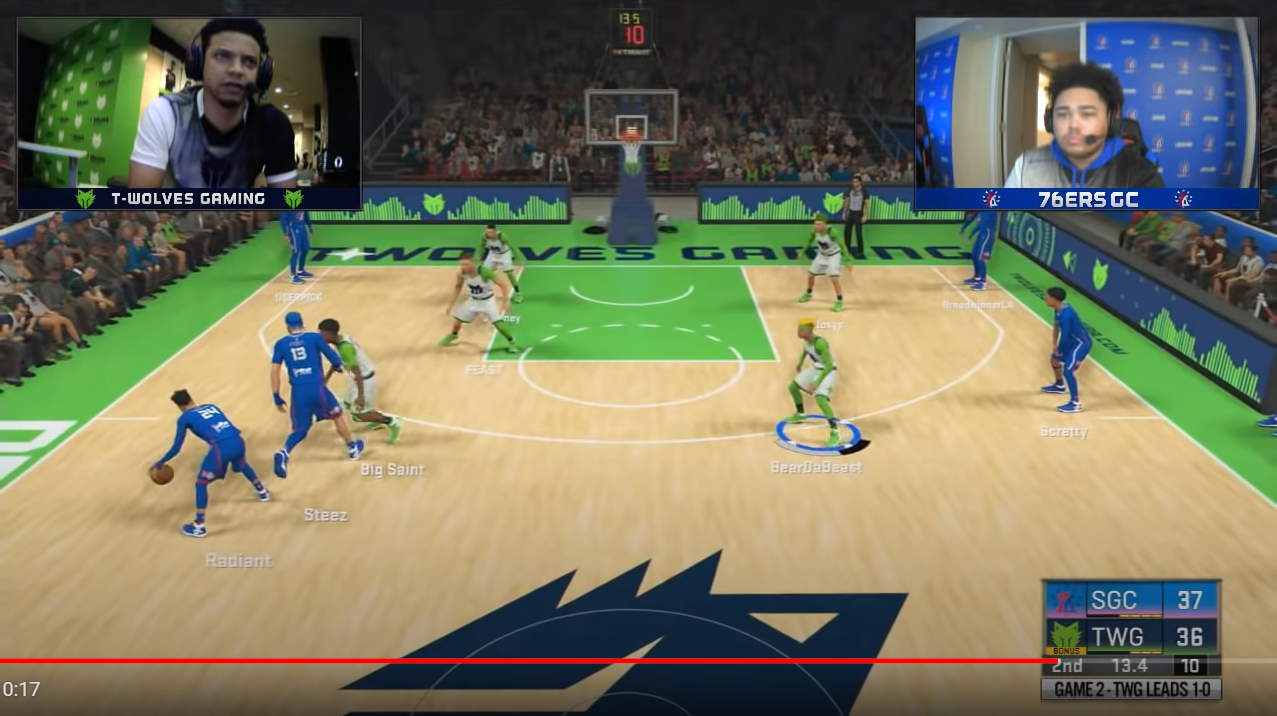
May 5th marked the beginning of the NBA 2K League’s third season. For the uninitiated, the NBA 2K League is an esports league joint venture between the National Basketball Association and Take-Two Interactive, maker of the ever-popular NBA 2K series of Basketball games (a new issue is released each year). You can learn more about it watching our Brand Storytelling Live Stream on the subject.
It’s an extremely important moment across multiple categories: esports, sports (period!), and broadcasting. In a moment where athletes can’t be together to play on their teams, esport athletes are providing much needed relief for sports fans who are finding that the supplemental experience of esports is helping them get through the “sportless” global pandemic. And with lots of new attention comes opportunity for esports brand partners.
Brand Storytelling caught up with Lindsay Ullman, Head of Business Development, NBA 2K League at the NBA, to get a better understanding of what some of those opportunities might be, and advice on how to break into esports as a brand:
The NBA 2K League season is in full swing! How’s it going so far?
It has been incredibly exciting to get our season tipped off and we feel very fortunate that we’ve been able to move to remote gameplay. It has been fantastic to see the additional opportunities this has brought for both the league and our partners; one big achievement being our matches broadcast for the first time on linear television on ESPN2 as well as Sportsnet in Canada.
What partner initiatives are you engaged in at the outset of this season?
We’re really excited to welcome new partners in GameStop, Jostens, and SAP for the start of the season as well as welcoming back some of our partners from previous seasons and finding new ways to activate. Whether it’s HyperX who was a partner during our Three for All Showdown tournament in March and early April, AT&T who will remain a marquee partner throughout the entirety of our season and tournaments, or Panera Bread who delivered our NBA 2K League draft, we are really thrilled to have a great roster of partners on board for the 2020 season.
What makes a great NBA 2K League partner?
Great NBA 2K League partners are brands who want to enhance the fan experience while working together to create unique solutions that support their own brand objectives. This can come in lots of different forms – it could be custom apparel through Champion or creating content for the community like Bud Light is doing through their presenting partnership of “BFW Live” a weekly show that airs on Twitch. Both of these activations bring value to the community as well as the brand.
For brands looking to break into esports, what should they do to narrow their focus?
They should have a good understanding of what they’re hoping to achieve when entering esports and brands shouldn’t be scared to find the right fit for them in terms of partners. Brands should have clear goals and objectives and make sure they ask questions of the organizations they are evaluating about their values and growth initiatives.
For brands who aren’t keyed into esports, should they start paying attention? Why?
Absolutely. They should pay attention because of the young, multicultural, highly-engaged audience that consumes content differently than fans have historically. It’s an extremely passionate, tight-knit community that is looking for partnerships done in an authentic way.
Where can folks tune in to the 2K League season action?
You can tune into the NBA 2K League at 7 p.m. ET Tuesday, May 19 on ESPN2 and Sportsnet (Canada) and Tuesdays, Wednesdays, Thursdays and Fridays on ESPN’s digital platform, and the NBA 2K League’s Twitch and YouTube channels.
About Lindsay Ullman
Lindsay Ullman is the Head of Business Development for the NBA 2K League. In her role, she is charged with defining the brand, growing the business – including overseeing NBA 2K League partnerships – and enhancing the fan’s journey.
Since joining the NBA in 2013, Ullman has served in a variety of roles including a key contributor on the NBA’s internal team consulting group, Team Marketing and Business Operations (TMBO). Ullman developed competitive digital dashboards, presented on digital and social strategies, and shared industry best practices to drive team business goals. Prior to joining the NBA, Ullman worked with multiple brands on digital strategy including Equinox, the Atlanta Hawks, the Atlanta Thrashers and Philips Arena.
Ullman is a travel enthusiast having reached the summit of Mount Kilimanjaro in Tanzania, explored Torres Del Paine in Patagonia and spent evenings in both the Sahara Desert and the Serengeti. Her free time is reserved for running marathons, fitness and brunch.
Ullman holds her Bachelors from Elon University with a dual degree in Corporate Communications and Psychology. She resides in Brooklyn, NY with her husband Sean and her dog Albert.