Anyone can tell a story, right? After-all, we are all born storytellers. From the moment children can comprehend words, we read them books, sit them in front of a screen to watch TV and films, we hand them tablets to swipe through games and videos, and soon, we’ll even give them goggles to immerse themselves into a virtual setting, living directly inside the narrative. As these kids grow, they begin to tell their own tales.
With all this exposure to content, you’d think we would all be great storytellers. But, as I am rediscovering, good storytelling is hard. Really hard. By good storytelling, I mean crafting a storyline and producing it in a way that your intended audience will actually consume the entire piece of work, and once they have, determine that it was so worthy of their time they want to share it with others. That’s the test of good storytelling, and achieving that is rarely easy.
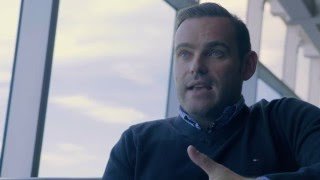
Case in point; at this year’s Sundance Film Festival, we interviewed 23 people that had participated at the Digital Storytelling event. We talked to filmmakers, documentarians, brand marketers, ad agencies, creators, and influencers. Our mission was to tell the story about the eroding efficiency of interruptive advertising, and the resulting need for brands to create content that passes the value test described above. With 13 hours of interview footage on hand, we realized the large task at hand. Crafting a story from all of the meaningful insights and inspiring case studies from these bright minds doesn’t happen over night. And, weaving these stories together in a way that will capture minds and warm hearts isn’t necessarily something that can be taught. Storytellers that do this well, are infused with the ability to reach their audiences deeply, and engage them to that next level. We met a lot of these creative minds back in January. Two shining examples are Marriott’s David Beebe. and documentary filmmaker Morgan Spurlock.
David Beebe is VP Global Creative + Content Marketing for Marriott International, where his mission is to run Marriott’s internal studio and become the worlds largest provider of travel-related content.
Morgan Spurlock is an award-winning documentarian whose career hit the fast-track with his 2004 submission to the Sundance Film Festival, “Super Size Me”.
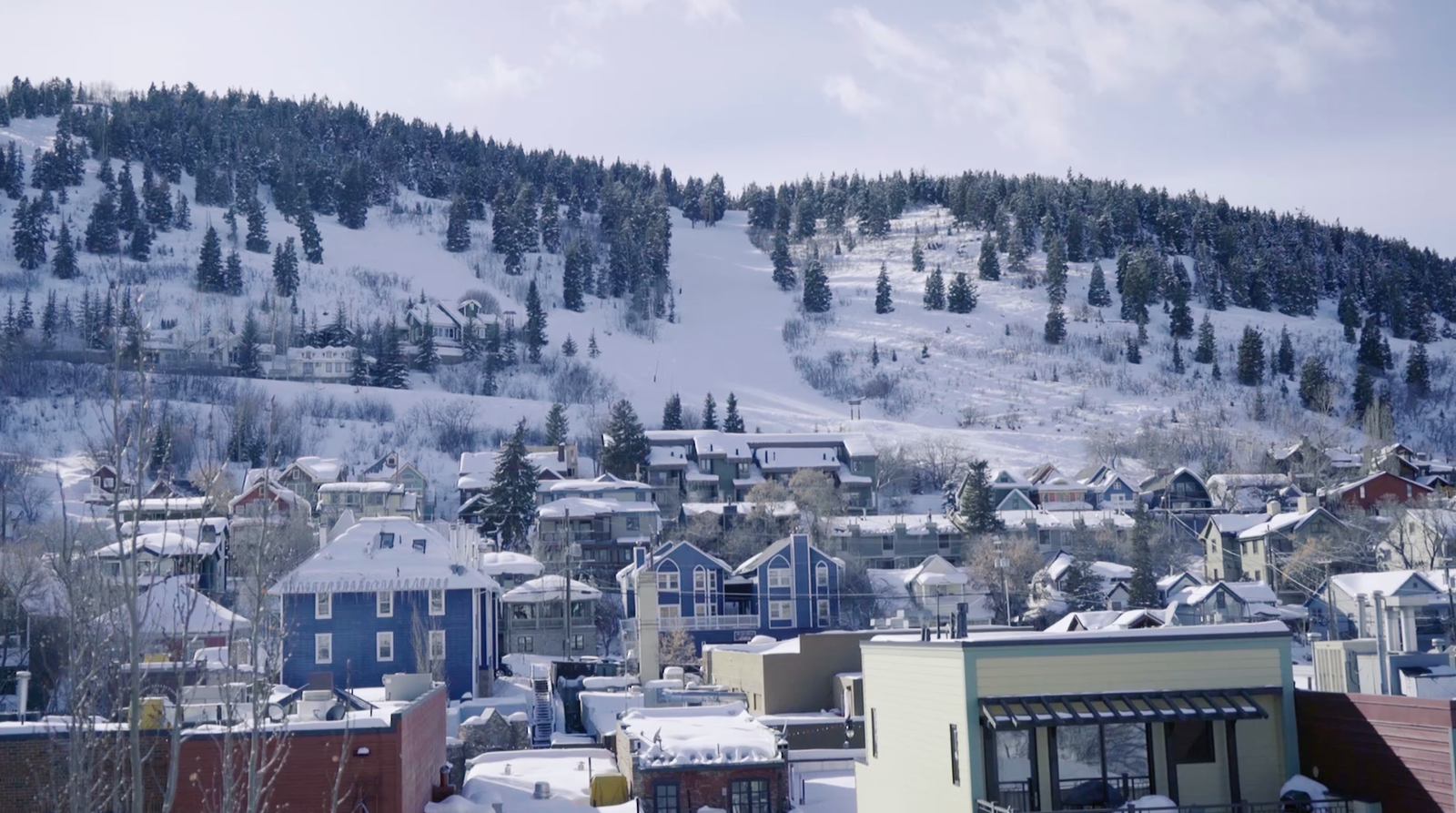
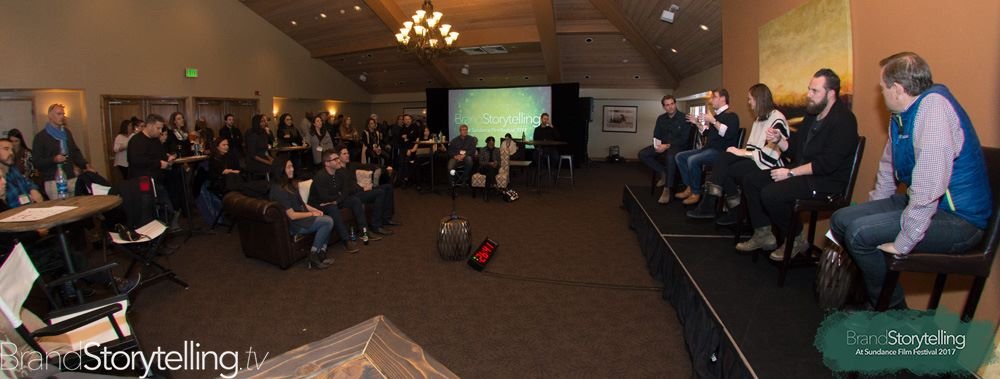
Brand Storytelling is the outcome of the January, 2016 event; Digital Storytelling at the Sundance Film Festival. Our first-ever gathering of brand marketers, ad agencies, filmmakers, creators, influencers and media partners was held in association with the iconic film festival in Park City, Utah. Presentations and discussions focused on the shift brands are making, from interruptive advertising, towards creating content that is engaging, entertaining, informative and inspiring.
Adweek’s James Cooper, wrote the following articles during the 2016 SDFF kickoff weekend:
The 160 participants at Digital Storytelling share a real passion for the future of media and marketing. They know the ad business is changing fast because they are leading that change. They are the drivers of what many are calling a “renaissance period” in advertising, where creative must do more than sell, it must provide value.
The super-charged conversations and meetings that took place amongst the attendees at Sundance lasted throughout the opening weekend. New relationships were forged. New ideas were shared. New partnerships took shape. By the time people got back to their offices, they were asking one another, “What’s next? How can we bottle that experience in Park City? How can we nurture this community?”
Brand Storytelling is the answer. Visit our site to experience videos, photos, learn about our team, and find out about future events, such as Brand Storytelling at the 2017 Sundance Film Festival on January 18-22, in Park City, Utah
The Brand Storytelling event will happen once a year, but the community of storytellers and their partners will be served weekly through digital mediums (newsletters, articles, videos, interviews, podcasts, ect.) that connect key players, provide information and educate, and inspire the industry to embrace new ways of engaging consumers. Come join the community and be a part of the story!
Watch for weekly news updates from Brand Storytelling in your inbox, and share this with other storytellers in your network.
Of course, if you’d like to contribute to the story, I’d love to hear from you. Email me: Rick@BrandStorytelling.tv
Using data to determine audience is a no-brainer. But you’d better use a brain when implementing that data.
Take programmatic for example. It’s not difficult to understand why programmatic ad buys are popular. In theory, it’s a dream come true.
However, there are pitfalls to going all-in on a system that isn’t necessarily fully understood by those jumping to use it. Just look at what happened with last month’s brand safety crisis.
The inclination of the industry is to lay blame at the feet of Google and YouTube, But consider this – shouldn’t the brands and agencies that rushed to use what turns out to be a leaky system be culpable also?
In the race to compete for content creation and exposure, businesses have taken for granted that programmatic advertising requires finesse. It requires research, insight, and dedicated understanding.
Isn’t it worth examining the notion that although data is an extensive and valuable resource, ultimately it is best manipulated in the hands of those who are dedicated to it?
Enter companies like Zefr that are dedicated data institutions. They know a thing or two about audience selection because it’s what they do, and for that level of dedication you receive a window into understanding audience that far outpaces the algorithmic block buy offerings of DIY programmatic. For more on how Zefr is setting themselves apart from the competition all while ensuring brand safety, check out our Q&A with Andrew Serby, Director of Marketing at Zefr.
When you’re seeking a specific diagnosis and treatment for a unique health issue, does the buck stop at your general physician or do you see a specialist? The answer is simple – you go to the person who’s dedicated to solving your immediate problem. Why should it be any different when it comes to targeting your audience?
—
Watch for weekly news updates from Brand Storytelling in your inbox, and share this with other storytellers in your network.
Of course, if you’d like to contribute to the story, We’d love to hear from you. Email us!
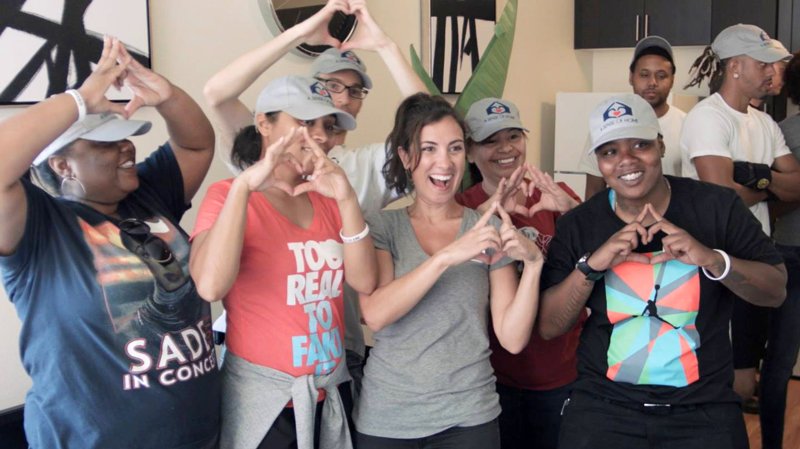
Many of you know my friend, AJ Vernett, a veteran of the digital video industry. Today, he is better known as the Co-Founder of A Sense of Home, a non-profit with a unique mission to help foster kids that are aging out of the system. “A Sense of Home” helps find places for these kids to live and furnish them in a way that turns that place into a home, something they have been denied most of their lives. In just 2 years, 150 homes have been created for 200 youth who finally have a place they can find comfort coming home to.
If you watched the live broadcast of CNN Heroes last night, you learned of the important work “A Sense of Home” is tackling that will literally save the lives of these kids in the most transitional stage of their lives. To understand the importance of their work, just watch this CNN profile of Sense of Home that features director and co-founder Georgie Smith:
Here at BrandStorytelling.tv, we love a good story. We love this one so much, we are jumping into the storyline ourselves and intend to play a role that will help give kids a better chance, and create thousands of stories of lives made better. You can too!
Creating a home for someone alone in the world, isn’t just vital to their survival; it’s a bridge —connecting them to community to ensure they have access to opportunity in order that they might fully realize their talents and skills and become the best version of themselves. Every day brings about another story of hope and about creating a beautiful inspired environment.
Every one of us can play a role in this unfolding story right now. You can simply go to A Sense of Home and make a donation today. When you do, Subaru will match your donation up to $50,000 between now and December 31, 2016.
Here’s a great way to get your company into the story; sponsor an event for $5,000 or more and send your team to help create that home alongside “A Sense of Home” staff. Be there when the kids get to see what you have done to provide them with a place they will call home. That’s a great story and there are roles for all of us!
I hope you will join us in this story and help these young-ones discover a better tomorrow.
In the race to provide new media consumers branded content, how does one decide what to model that content after? With so many different burgeoning styles of content and platforms to distribute on, making a decision like this can be a daunting one.
The industry response to the new media paradigm shift has been like that of the parents of Gen Y and Z children, digital immigrants working double-time to be in the know and determine with some certainty what is “hip” in order to connect with their kids on an emotional level again.
Therein lies the key: emotion. The strongest connection an ad can make with a consumer is an emotional one. And while everyone looks forward for the solution to the emotional problem (think AR, interactive ads, etc.), many fail to look at the solution that’s right in front of them here and now: art as entertainment.
Let’s not forget why audiences have subjected themselves to interruptive ads for so long – to gain the emotional pleasures of whatever they sought to watch in between those interruptions. So why not give them a branded short-form experience to engage with in the same way?
Those who have gone all-in on this idea have reaped their share of rewards. H&M, Mercedes-Benz, Kenzo, BMW, and Lyft have all found important, poignant, and authentically artful stories to tell that successfully align with their brand, all while being moving and visually beautiful (they’re not lacking in views either, with a collective 23 million views across the aforementioned branded films).
Not only is art as entertainment viable, it’s familiar and acceptable to new media audiences, giving them an experience they want to engage with and approve of rather than one to disengage with and rebuke. Audiences choose to watch what they watch because they are looking to have an emotional experience, so why not give them one?
—
Watch for weekly news updates from Brand Storytelling in your inbox, and share this with other storytellers in your network.
Of course, if you’d like to contribute to the story, We’d love to hear from you. Email us!
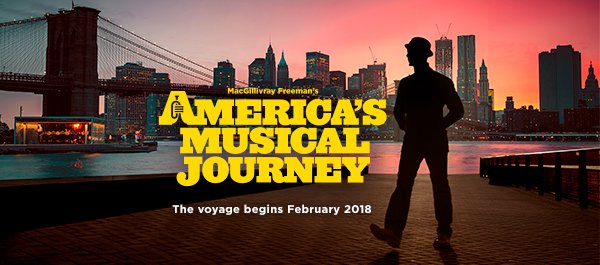
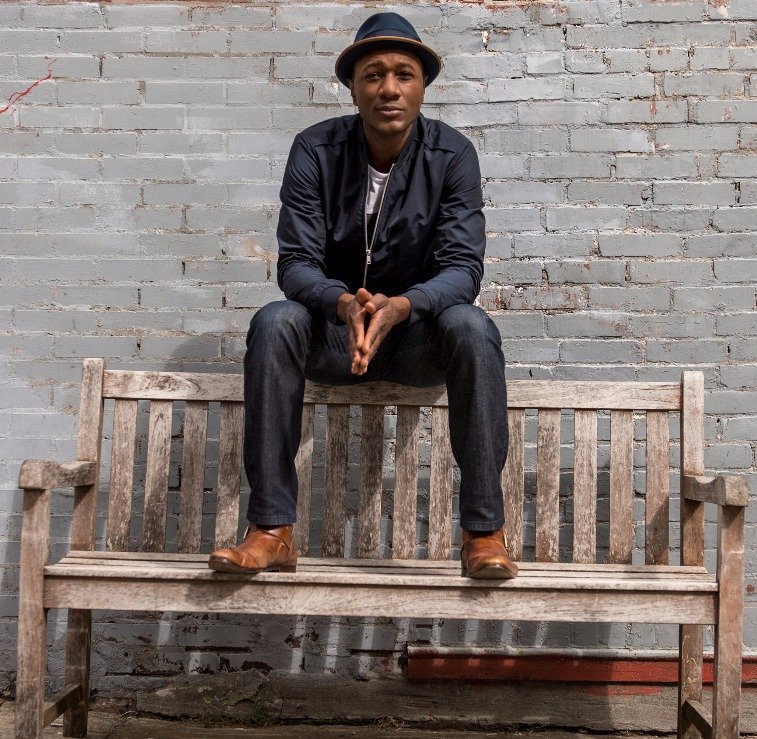
We’re thrilled to announce that we’ve just added an incredible night of musical celebration to our event schedule. On Saturday, January 20th, enjoy a special screening of the upcoming MacGillivray Freeman film, America’s Musical Journey, produced in association with Brand USA, followed by a special performance from multi-talented singer/songwriter Aloe Blacc.
Aloe Blacc is an American musician, singer, songwriter, record producer, actor, businessman and philanthropist. With “Wake Me Up”—the 2013 mega-hit he sang and co-wrote for Swedish DJ Avicii and saw climb to #1 in 102 countries across the globe—Aloe Blacc proved himself a singer/songwriter with an irresistible power to capture the complexities of human emotion. Now with his third solo album Lift Your Spirit, the rapper-turned-singer pushes further into a folk/soul/pop fusion that’s both undeniably joyful and eye-opening in message.
—
Watch for weekly news updates from Brand Storytelling in your inbox, and share this with other storytellers in your network.
Of course, if you’d like to contribute to the story, We’d love to hear from you. Email us!
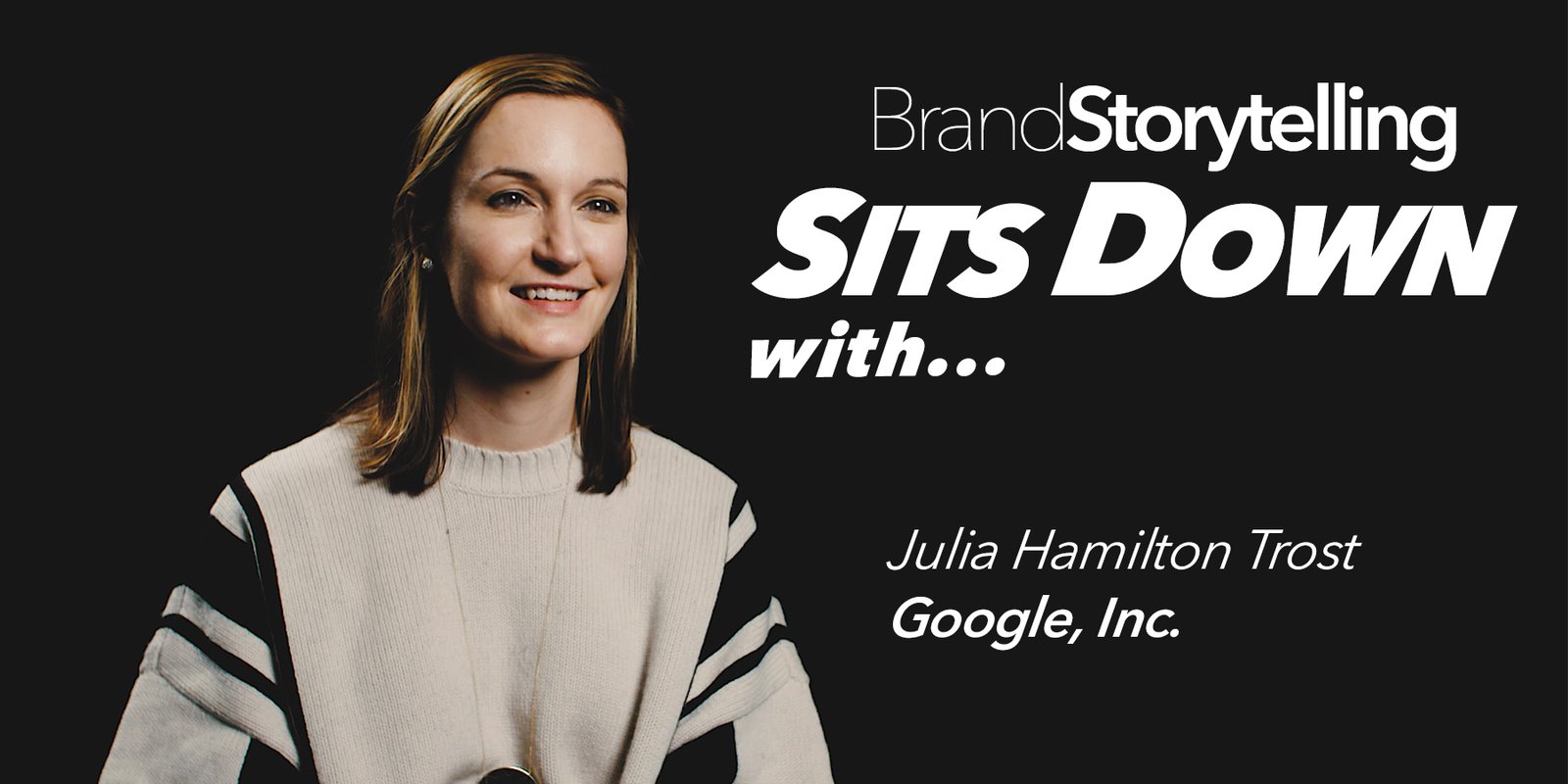
Julia Trost and Google VR partnered with the Nestlé brand to produce The Extraordinary Honeybee, a VR film experienced through the eyes of a bee and produced in an effort to bring awareness to Colony Collapse Disorder.
What does someone like you, pioneering the mobile VR platform Daydream, have to say to brands about implementing VR when they’re still wondering where they’ll see their ROI?
Brands need to be willing to experiment a little bit to see what works. I think, as a VR Platform, we will get more data over time that will hopefully help brands feel a little bit more comfortable with experimentation. So, things like heat maps – if a brand creates a VR video and they want to understand how users are engaging with that video, being able to use something like a heat map to see where a user’s gaze is going and what pieces of the video they’re really focused on helps brands see what resonates.
Brands need to be comfortable with being able to take a brand out of the story [and ask] how can brands use VR to connect in an authentic way? Brands can also find ways to do it on a small scale… they can find potential creative agencies they can partner with on a two minute piece and experiment to see what kind of authentic stories they can tell with the medium.
What rewards to brands reap by being first in on VR culture?
I think that a brand that’s first in has the power to make that connection as a “first-mover” [VR] blows minds… it has an impact in a way that a 2D piece can’t. How can a brand think about this using VR, not just for VR’s sake, but to tell a story that can’t be done in 2D, and then get users to understand through that immersion the story that that brand is trying to tell? Use VR for that purpose. Come up with a creative idea, go to the experts, and figure out the authentic story you can tell through VR and experiment with it. That’s what VR should be about for brands at this point. Don’t be afraid to play.
Is this truly “the year of VR”, or will it take more time to happen?
More great content will come – I think that’s coming. I do think that there could be a little bit of overexposure where people are expecting a lot from VR when it’s still going to take time. It’s going to take time to figure out monetization. It’s going to take time to figure out how brands are going to get an ROI; that’s not necessarily going to be in 2017. In 2017, we’ll see more social and a lot more live [content]. Has it been done perfectly yet? No – I think there’s a lot of things like that in VR. Productivity and Business to Business applications will come more and more in 2017, and there will be more use cases outside of gaming and entertainment.
—
Watch for weekly news updates from Brand Storytelling in your inbox, and share this with other storytellers in your network.
Of course, if you’d like to contribute to the story, We’d love to hear from you. Email us!
I know, I know… you don’t want to say goodbye to summer just yet, but around here we’ve got winter on the brain, as we’re busy planning for January and the annual Brand Storytelling at Sundance event. Now in its third year, this gathering of brand marketers, agencies, media companies and content studios promises to take another quantum leap in 2018. Here’s what’s being planned:
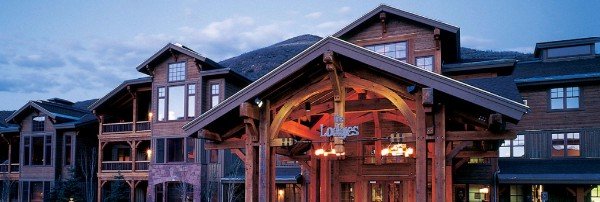
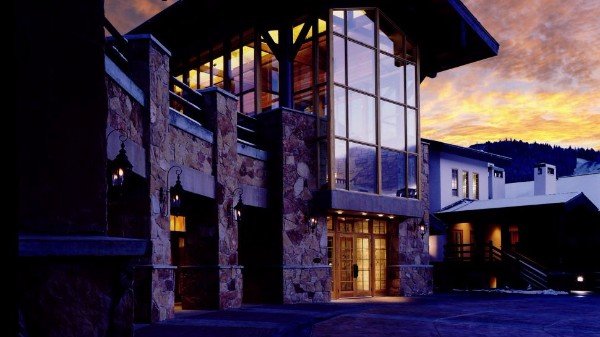
Base Camp – Rooms are reserved for all 160 participants at The Lodges in Deer Valley, a luxury condominium collection conveniently located 10 minutes away from Main Street Park City and all the excitement of the Sundance Festival.
January 17 – Welcome Reception and Cocktail Party
CNN is throwing another welcome reception in the Evergreen Room at The Lodges. This is the place to meet up with fellow storytellers and partners to get things started in style!
January 18 – Presentations and Dinner Party at Stein Eriksen Lodge Spend the morning networking at the Lodge or on the mountain, then catch the afternoon shuttles for the 10 minute ride to the world-renowned Stein Eriksen Lodge for presentations and fireside chats followed by cocktails and a dinner party. Stay tuned for special entertainment announcements!
January 19 – Chats, Presentations and more from our Partners
The Evergreen Room at the Lodges will be the place to connect and sit in on a full day of insightful presentations, chats and screenings. Meet the directors, producers and creative minds behind the best brand-funded productions. Food and drink will be served throughout the day in the Evergreen Room.
January 20 – AdWeek Arc Awards Presentation and Dinner Party
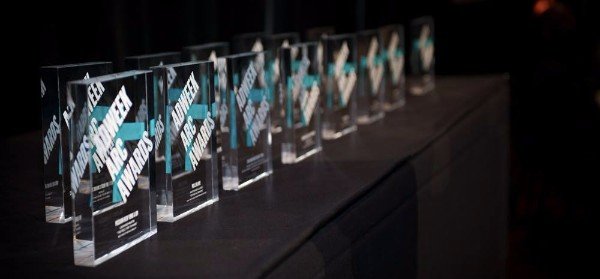
Enjoy the day touring the festival exhibits, see a film or two or head out on the mountain. Save the evening to attend the 2nd Annual AdWeek Arc Awards, honoring the best brand-funded content this year across 21 categories. Enjoy an evening of dining and celebration with brand storytelling all-stars at the Silver Lake Lodge in Deer Valley.
Stay Tuned for lots of announcements to come regarding speakers, screenings, musical guests and more.
Something was missing at SXSW this year. Was it you?
If you didn’t make the trip to Austin this year, you may not be too disappointed. The advertising trade media was, how should I say it… “underwhelmed” with the goings-on at SXSW 2017. Check out the reviews by ADWEEK and Advertising Age. They also cite the fact that 22% fewer sponsors took part in this year’s creative celebration. Why is that?
Is SXSW losing relevance for marketers who have flocked to Austin in the past to be a part of the next new thing, whatever that may be? Remember Meerkat at SXSW 2015? It was far from a dud, but then SXSW has always been a hotbed for marketing inspiration at the intersection of creativity and technology. What happened this year?
Although the presence of brands and creatives could be felt everywhere, marked by activations and pop-ups populated by concert-goers, inside the presentation halls, marketing-minded attendees and those looking for something new in the branded content sector found the very thing they were looking for was missing. Although there were some fascinating session titles like “Content Idea Orgasms with Tech Improv Mashups,” and “They’re Going to Hate This and Think I’m Full of Shit,” there wasn’t much with obvious appeal for brand storytellers.
What do you think? We’d love to hear from those of you who made it to Austin and get your take on this year’s experience. Was it good? Bad? So-so? Will you be back in 2018?
Here are some highlights that should interest you:
In a SXSW panel on Sunday the 12th, Richard Guest (Tribal Worldwide, President of North American Operations), Jennifer Dalipi (COTY, Senior Director), Graham Harris (Bazaarvoice, Vice President of Brand Partnerships) and Ja Rule (Rapper) discussed the importance of achieving authenticity in advertising. The panel resolved that although telling an inauthentic story to reach a new audience can backfire in the digital-age of fact-checking, ultimately the very same urge to research brands’ representations of themselves and their values, when those values are uniformly represented across all platforms, can garner stronger consumer loyalty.
At SXSW, Ben Jones (Google, Creative Director) delivered a presentation at Google’s “YouTube Corner” called “From Six Words to Six Seconds: How the New Age of Storytelling and Innovation Intersect.” Joined by Myra Nussbaum (DDB, SVP and group creative director), Sebastian Tomich (T Brand Studio, SVP of advertising and innovation), and Jess Greenwood (R/GA, VP of content and partnerships), the panel discussed the importance of implementing data-infused storytelling in the digital age. Jones’s data demonstrates that brands that function like content creators, such as GoPro and Lyft, currently own the new media ad space. Jones discusses the way YouTube TV will cater to the modern viewer who watches what they want when they want and the skippable, long format ads that will follow.
At the SXSW panel “Bingers & Time-Shifters: The Future of TV Marketing”, Melanie Shreffler (Cassandra, Senior Insights Director) revealed that young viewers of television spend twice as much time binging content as they do watching live TV, and that 28% of those young viewers don’t even know which of the shows they watch aired on what networks. And while this doesn’t mean live viewing will disappear any time soon, it may mean that where much of that live viewing happens changes, such as on apps and platforms rather than Cable. In any case, a paradigm shift has occurred that will continue to affect the types of programming that will emerge, no matter the length of the content or the size of the screen it’s being viewed on.
“Meet Walter”, an ad-like short film, debuted at SXSW last week. Produced by Fox and 3AM in partnership with the tech firm AMD, the film is a seamless merger of the artistry and creativity of the film “Alien: Covenant” and AMD’s new SenseMI technology introduced last year. The short film is the result of AMD’s efforts to seek partnerships with creators to tell authentic stories about their own burgeoning products. Walter, an AI robot featured in the Ridley Scott’s feature film, serves as a perfect vehicle for showcasing AMD’s tech, which, in the short, is embedded in his artificial brain. AMD was involved from the concept’s inception all the way through the design and production phases in order to ensure a faithful representation of both AMD’s product and the upcoming feature-length film.
“Genius”, National Geographic’s flagship scripted series, had a large and popular installation at SXSW. Seeking a big, immersive experience to mark the launch of its first premium drama, NatGeo partnered with Microsoft to showcase Albert Einstein’s greatest gift: his mind. Activation activities included Microsoft HoloLens technology that let users experience Einstein’s thought experiments by way of VR. The activation also featured an AR photo collection of some of National Geographic photographer’s greatest nature photos in which the photos would jump right off the screen.
At SXSW, VR company Laduma showcased their Stereoscopic 360 VR experience that claims to go beyond the average VR content found today both technically and creatively. Mike Santiago (Laduma, VP of Business Development) delivers an interview in which he explains that the Laduma VR experience is unique not only for the viewer, but for their content partners as well. Acting more like a creative agency than a tech company, Laduma works directly with their partners to ideate, script, shoot, and distribute their stereoscopic content. The stereoscopic element of their VR enables consumers to get a better sense of the space their viewing, making the VR experience more realistic than ever before.
At an event as sprawling as SXSW, it can be difficult to key into the newer, smaller Startups that have future potential. Five such Startups are Wattpad, ThingThing, StoryO, StylePull, and Novel Effect. Wattpad will be introducing “Tap” to their 50 million users, a chat-style app that presents stories in a text-like format to hit millennials where they live. ThingThing offers text keyboard integration of everything from calendars to branded keyboard tools. StoryO enables users to create context for their photos by layering them with written content and offering options like brand-integrated themes. StylePull is a platform for new designers to showcase their wares to consumers and brands. Novel Effect is a real-time storybook enhancement app complete with voice recognition, music, and sound effects, offering future opportunities for brand-integrated stories.
—
Watch for weekly news updates from Brand Storytelling in your inbox, and share this with other storytellers in your network.
Of course, if you’d like to contribute to the story, We’d love to hear from you. Email us!
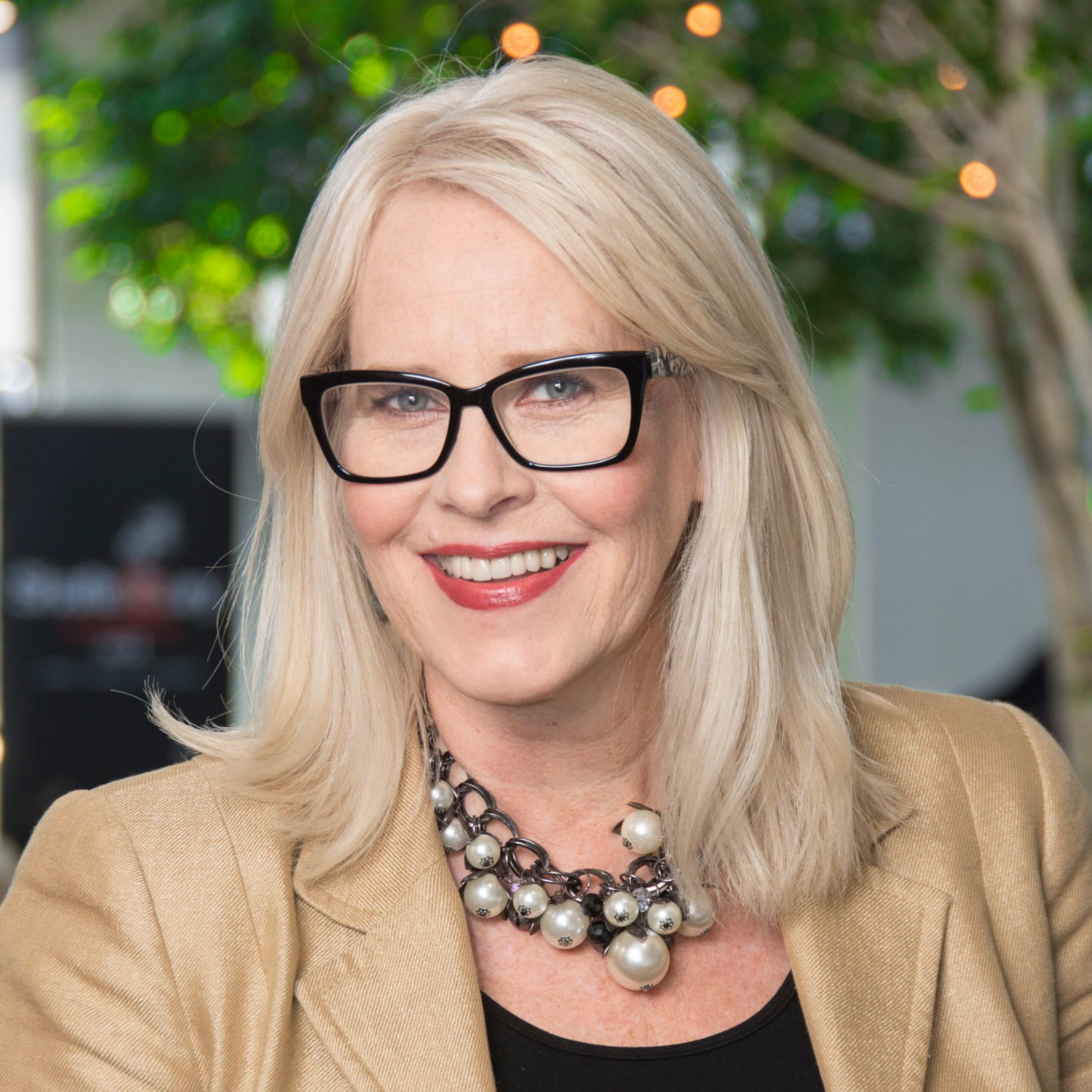
As SVP, Branded Entertainment, Kaaren Whitney-Vernon charges her team to produce original content for television, film and digital brands designed to drive revenue. She is one of the Executive Producers of the highly successful digital series Carmilla, with U by Kotex® as Executive Producer. The award-winning show has racked up over 70 million views.
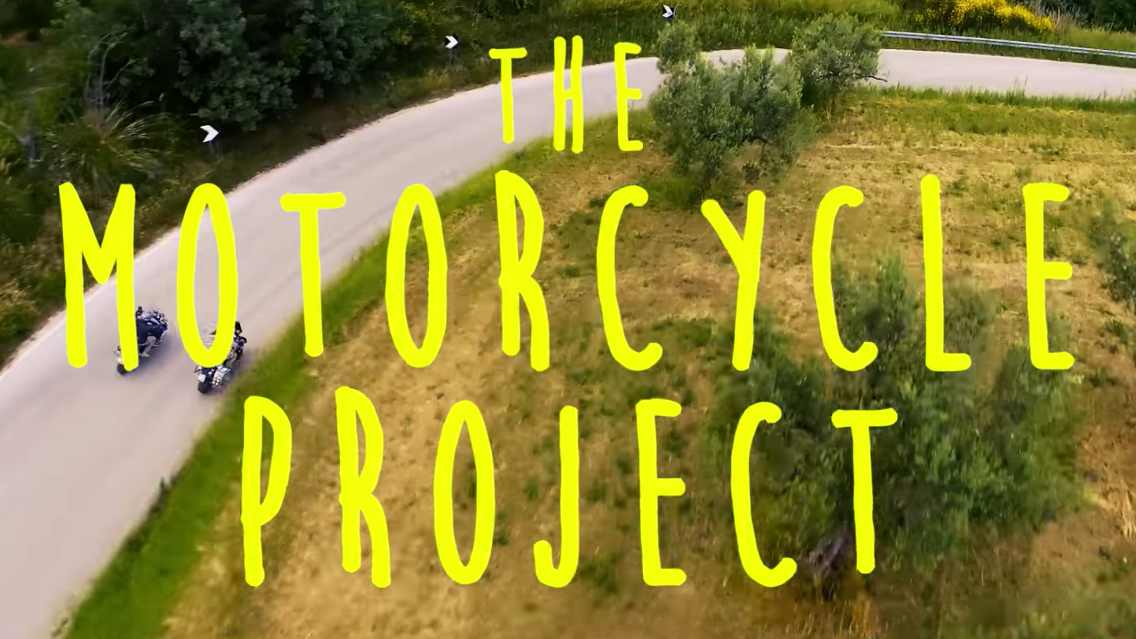
We spoke with Kaaren this week about the latest show she’s been working on, The Motorcycle Project, which will star one of the actresses from the Carmilla series and already has nearly 100,000 views of the trailer just released this month. Leveraging what Kaaren and her team have accomplished and learned from the Carmilla series, The Motorcycle Project could be another roaring success!
—
The Carmilla Series has been a multi-year success story for branded content. What are the key metrics of that success that the sponsor, Kimberly-Clark, has considered when re-upping for new seasons?
KWV: We did pre and post research after the first season. We were tracking unaided brand recall, intent to purchase, brand advocacy and net promoter score. The results were amazing, with over 90% brand recall and over 66% saying they tried U by Kotex® for the first time because of the series. The brand also saw their social channel engagement increase dramatically whenever they posted content from the show.
Tell us about The Motorcycle Project – how did this show concept develop?
KWV: The story idea was based on a popular website about Van Life. It is a site where people post their stories of hitting the road and living out a van. This wanderlust was our inspiration, but it is Shaftesbury’s understanding of creating interesting characters with stories involving tension and mystery that builds fandoms and fans of the brand. Two half sisters are unlikely travel mates as they look for their missing sister, driven by clues found on social media. The travel component is important as more and more people are in search of their roots and the meaning of their family.
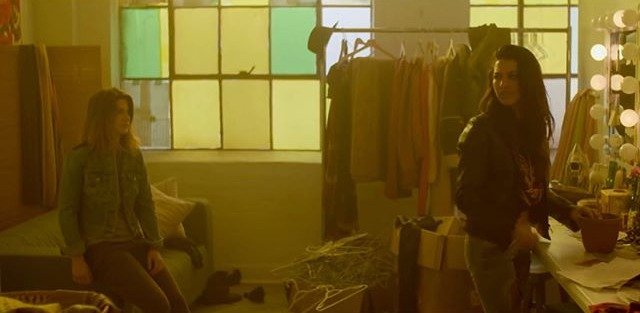
Half-sisters Jazz and Beth go searching for their missing sister in “The Motorcycle Project”
Who is the target audience?
KWV: The adventurous, or want to be adventurous, woman who loves travel.
What is duration of the shows and how many in a series?
KWV: While Carmilla was shot in one room with the adventure happening outside the room, The Motorcycle project will be shot on location to bring the beauty of Central America and the openness of the road. A total of 10 episodes of 8 minutes in length each.
Who is the writer?
KWV: TBD. It’s important that we include the brand in this process. I like the idea of the brand being part of the writer’s room. It’s a rewarding process.
What about the actors? Will their social media following help drive viewership?
KWV: Yes – Carmilla created influencers out of the actors, but again, once we have a brand involved, it may change the direction of the talent.
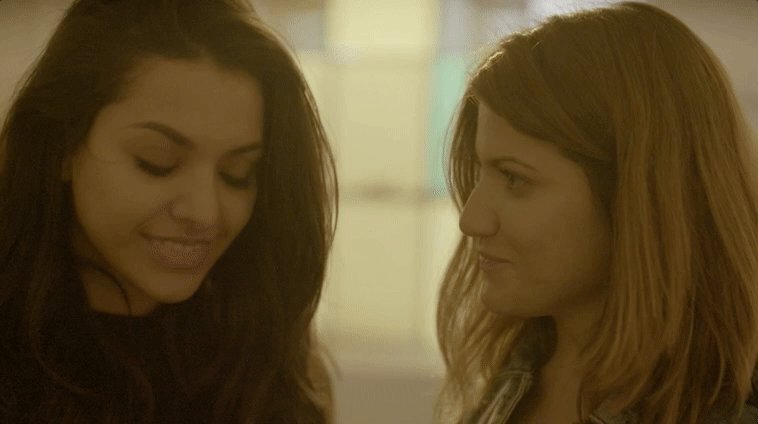
Humberly Gonzales and Elise Bauman play Jazz and Beth in “The Motorcycle Project”
What type of brands would be best fit for this series?
KWV: Hero brands, Explorer brands, even an Outlaw brand like Harley Davidson would fit this story world of strong empowered females. I like the idea of traditionally male targeted brands embracing this type of story. Imagine how this could work for Red Bull or REI!?
Is this a one-brand opportunity or could multiple category-exclusive brands sign on?
KWV: We have done both funding scenarios and find that if the brands already work together it can work really well.
How would you work with a sponsor in terms of creative involvement? Is it hands-off or some limited input?
KWV: Very hands on. This is a partnership. We want the brands to feel ownership with the story and the characters. To use the content including behind the scenes on all their channels. Once we find an engaged audience, our role is to drive it forward, not treat it like a 4 week campaign. It could become a TV series, a movie, even a book. This is why brands benefit from working with us. We put our heart into the story just as much as the brand.
What are the tangible brand benefits being offered?
KWV: Ongoing engagement with a desired audience who appreciate the brand for entertaining them and not just selling them. This type of story will ensure the long term health of a brand and to continue to build brand awareness. –
Kaaren Whitney-Vernon is SVP, Branded Entertainment of Shaftesbury. Shaftesbury is in the business of storytelling and creating deep, dynamic fandoms. She is a sought after speaker and a visionary for the future of marketing.
Before this position, and while on the road to becoming one of the best known experts in the branded content space, she was CEO and founder of shift2, a Branded Entertainment agency and is the founder of Youthculture Inc., a youth-focused media company specializing in creating branded programs. Kaaren now heads up the North American chapter of the Branded Content Marketing Association as their president and is working towards a new model for measurement while providing a voice for industry experts.
Shaftesbury is an award-winning creator and producer of original content for television, film, digital, and brands. Shaftesbury’s current slate includes 12 seasons of Murdoch Mysteries for CBC, UKTV, and ITV STUDIOS Global Entertainment, detective drama Frankie Drake Mysteries for CBC and UKTV, and two seasons of critically acclaimed thriller series Slasher for Netflix.
Shaftesbury’s digital arm produces original digital, convergent, and branded entertainment projects including the global phenomenon Carmilla, scripted comedy Upstairs Amy for Walmart and Interac®, supernatural drama Inhuman Condition, and the Slasher VR app for iOS, Android, and Oculus Rift. Shaftesbury’s branded entertainment division drives profitable engagement with millennials using scripted series, turning brands into executive producers. Recent brand partners include Walmart, Interac®, U by Kotex®, and RBC.
—
Watch for weekly news updates from Brand Storytelling in your inbox by subscribing, and share this with other storytellers in your network.
Of course, if you’d like to contribute to the story, We’d love to hear from you. Email us!