Welcome to WordPress. This is your first post. Edit or delete it, then start writing!
Category: Blog
Your blog category
-
Q&A with SVP of Brand Partnerships at Awesomeness, Harley Block
Following up our coverage of Versus, the new scripted series from Awesomeness created in partnership with Gatorade, Brand Storytelling wanted to get a little more information on the inner-workings of this forward-thinking content deal. For that (and more), we reached out to Harley Block, Senior Vice President of Brand Partnerships at Awesomeness to get the rundown on the series origins, the importance of brand partnerships, and what the future holds for Awesomeness.
—
Where did the Awesomeness & Gatorade deal / idea start?
Gatorade approached us earlier this year with the idea of creating an original piece of IP in support of their larger “Sisters in Sweat” initiative. The initial inspiration was along the lines of a Friday Night Lights for teen girls featuring female athletes – and took on an entirely new dimension and framework as we progressed through the partnership.
Regarding the creative, is it all Awesomeness creative and just Gatorade dollars, or do they have creative input? How does that work?
It’s incredibly important to us that our partners have actual skin in the game from a creative standpoint. It’s a collaboration in every sense of the word in that our team will take the initial creative direction from the brand, establish a set of ideas and treatments in line with that direction and then work from there in partnership to refine and iterate on those ideas to ensure that we’re A) able to map the final product back to the initial brief and most importantly B) that we’ve landed on something that can function as a standalone piece of IP and entertainment.
What are the main points you’d like to share – what do you want our readers to know about this project?
The series highlights the challenges the teen female athletes face on and off the field and highlights the important life lessons girls learn through participation in sports that can help them succeed later in life. “Versus” launched in tandem with Gatorade’s new campaign, “Sisters in Sweat.” This campaign aims to shed light on the growing problem of girls dropping out of sports (teen girls today drop out of sports at 1.5x the rate of boys by age 14), by showing that staying in sports throughout their teenage years has long-term, personal benefits, no matter what they decide to go “pro” in.
How valuable are brand partnerships to Awesomeness?
We could not be more proud of the work we’re doing with our brand partners – it’s a critical area of our business that is on an exciting upward trend. Having the ability to help brands reach, connect and establish meaningful relationships with our audience through premium original entertainment is – in our opinion – the most effective method of modern advertising today. We try and stay away from the term ‘branded entertainment’. In our view, what we’re creating in collaboration with our partners is entertainment – period. That said, we’re acutely aware that our clients are in the business of selling products and services, so we do underpin everything we do with custom research that measures exactly that.
Awesomeness is leading the charge in the new media content space – how soon do you think we’ll see more creators working with brands in a similar way to you?
You’re starting to see more and more of it now, just to varying degrees of success. What really sets Awesomeness apart is that we were born – and remain today more than ever – a consumer brand first. Because of that, we are not simply producing content and then handing it over to our partners to figure out (and fund) distribution. Given that we have an audience coming to us every day on digital the way that you and I used to go to MTV, we’re able to provide our partners with a guaranteed and laser targeted audience that’s already leaning in vs. being interrupted.
What does the future hold? Any new projects on the horizon?
Our focus continues to be on creating a broad spectrum of content purpose-built for a Gen Z audience and distributed to them in the places where they are spending their time. That will manifest in a number of exciting ways as we continue to expand our OTT presence, platform partnerships, and international footprint.
Final plug – anything else you want to say about Versus?
Giant thank you to some of the best partners in the business – Gatorade and their agency teams – who have been instrumental in making this important project a reality. Our hope is that the audience continues to be entertained, inspired and motivated.
About Harley Block:
Harley Block is Senior Vice President/Head of Brand Partnerships at Awesomeness. Harley leads a national and rapidly growing team focused on helping some of the world’s most important brands connect with their audiences through original entertainment, IP development, and strategic distribution. He oversees all aspects of the business ranging from influencer marketing to broader partnerships with brands such as Gatorade, Invisalign, Hollister, NFL, MLB, Kraft, and more. AwesomenessTV’s branded entertainment work has been the recipient of several awards including Best Branded Content at The Shorty Awards for their work with Royal Caribbean on “Royal Crush,” a runaway franchise that spanned four seasons.
Prior to Awesomeness, Harley led the award-winning Brand Strategy and Sales team for Tumblr’s East Coast region working on building and executing content-led partnerships with clients such as Unliever, Google, Samsung and many others. He has also spent time in various capacities on the digital agency side at places such as R/GA and Edelman as well as some strategic digital consulting with HBO.
—
Watch for weekly news updates from Brand Storytelling in your inbox by subscribing, and share this with other storytellers in your network.
Of course, if you’d like to contribute to the story, We’d love to hear from you. Email us!

-
Breaking Up is Hard To Do: Letting Go of Your Logo
Recently, I sold my shares in a business I founded, to my partner, Shaftesbury, a leading production company.
We had to update a 30-year-old brand to include the new and growing business of branded entertainment. If you’ve ever been through a branding exercise, you know it’s tough – we worked for days on our brand essence, our shared beliefs, emotional drivers, product attributes and functional benefits to help position ourselves in this highly competitive market. The debates got heated, as they should; we were defining how this brand would grow in a highly competitive and disruptive business. Yet somehow, when the new logo arrived, it became the focus of our efforts.
We have all been there. This exercise is repeated again and again in marketing meetings around the world. You have spent time and created great work that reflects your brand values and how your brand can make a difference in people’s lives, and when you sit down to share your content the first thing your CMO will say is, “the logo isn’t big enough, the logo needs to appear sooner, it’s too close to those other logos.” They become vigilant about the logo.
One of my clients was telling me about quantitative research they conducted in an effort to determine awareness of a brand’s name and logo. Perceptions of the brand’s current logo proved to communicate the brand’s functional benefits, but there was a lack of understanding of what the brand stood for. It was seen as “generic,” subliminal in some ways, like “muzak”. The brand wasn’t communicating its emotional benefits or a compelling and differentiated positioning to help drive preference over its competitors. They were missing the value of the brand.
We have lost sight of the importance of the values and stories of a brand in favour of a logo. We are practicing helicopter marketing! Like helicopter parents who smother their children, creating a cohort of young adults who struggle to deal with changes in their lives, brands are being smothered by the need for logo first, resulting in their stunted brand development. At a time when traditional advertising is losing impact, especially with a younger consumer, helicopter marketing can have long-term effects on the health of your brand, including:
A lack of brand independence.
With the rise of influencers, rating and review sites, other people will now be telling your brand story. You won’t be there to position your logo or convey your brand attributes; the brand has to be able to stand on its own and have confidence that the true brand story will be told.
Learning from mistakes.
Never have we seen such disruption in the consumers’ path to purchase. Limiting opportunities to practice and learn important skills and best practices will stunt the growth of brands who will struggle to keep up with the massive change required to get the attention of an audience.
Low brand worth.
Your brand has only a second to make an impression; the logo is only a symbol, the real connection is the value your brand brings to its potential buyer. A recent study by Wunderman found that in the U.S., “79 percent of respondents said they only consider buying products from brands that show they care and understand their consumers.” The logo alone can’t do that!
Many brands conceptually understand that the audience needs to come first – they are not tuning in to see your brand. But how do you take a back seat when you are paying for the content? How do you increase awareness of your product if the consumer can’t see your logo, let alone how you position your brand?
In 2014, we were hired by U by Kotex® to find a way to connect to young women 18-24, a demo that is blocking ads and cutting cable in record numbers. The challenge: reach this demo in a category that has strong competition from a legacy brand (once a woman has found a fem hygiene product that she trusts, she is typically not willing to try a new product). U by Kotex® launched in 2010 with a video called Reality Check that made fun of the way traditional tampon advertising talked to women about their period. The video was fun and relatable, just like the brand’s colourful packaging and black box. However, trust – a key benefit that was needed in order to convert users – takes time to establish, and one-off videos and ad campaigns are expensive.
Our suggestion was to create an ongoing story in the tradition of TV soap operas with great characters, story arcs and cliff-hangers. We told the brand they had to take a back seat; the brand had to come last. In fact, we were not going to mention them by name, have product placement or include a “brought to you by” until we had developed an audience. Enter Carmilla, a broody vampire, and 3 seasons and 80M views later we have a global fandom. However, for the first 17 episodes we never once mentioned the brand or had product placement. Rather, we offered the audience this great content that they fell in love with and couldn’t wait for the next episode – and it was funded by a brand.
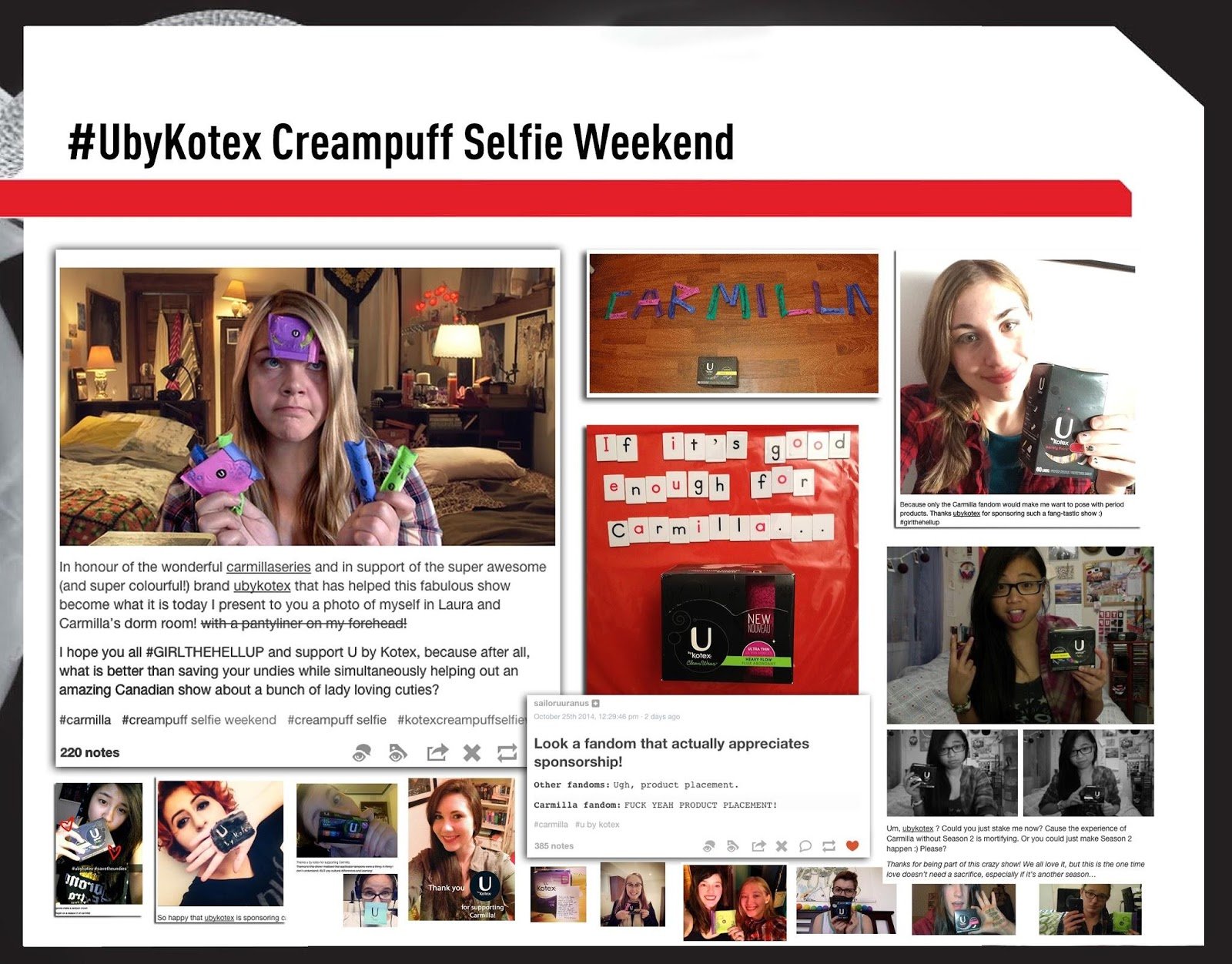
During episode 18, we released the name of the brand and the fans went out in record numbers to personally thank U by Kotex®. The agency and the brand were not prepared for the onslaught of praise including women wearing crowns and necklaces of U by Kotex® tampons. Post research also found that there was 94% unaided brand recall in conjunction with the series. Keep in mind there is not one logo or reference to tampons or pads in any of these episodes. The brand allowed the story to come first and brand last, resulting in a lasting impression and a community of loyal fans of the brand. Carmilla is now a major motion picture and is in development for a TV series and book deal.
This is brand content at its finest, thanks to a brand that understood audience first and brand last, and a brand manager who at the time that was considered by many to be “brave” because she removed the logo.
If you feel you are still suffering from helicopter marketing, what can you do?
1. Start with small changes.
Take one campaign and use it as an A/B test. Only have one reference to your brand when you must and then step back and let your brand rise to the occasion. Pepsi management introduced the 70-20-10 budget formula, incentivizing brand managers to go outside their comfort zone and use 10% of their budgets to try new ways of connecting with audiences.
2. Let the audience come first.
Focus on equipping your team with the skills they need to do this. Learn from other industries that have built their business based on building audiences. TV, movies and sports teams have built their fans by thinking of their audience first. So instead of forcing your brand benefits into the content, teach your team – including the C Suite, the signs of an engaged audience.
3. Don’t rely on your logo to convey your brand.
Remember your brand story, its heritage and core values and benefits for the consumer. We have to remember that the brand should be capable of standing on its own. If you removed logos and product shots from the content would the audience recognize the brand? My guess is they would.
As consumers become savvier at avoiding your ads and controlling the relationship with brand purchase through voice, the stakes are higher. Resisters to change could mean brand decline, loss of market share, or worse. So remind yourself, we are at a tipping point and it can be in your brand’s favour as long as you see your brand as an educator, influencer and entertainer. An audience-first strategy virtually ensures that the brand will not pay a higher price later.
About Kaaren Whitney-Vernon
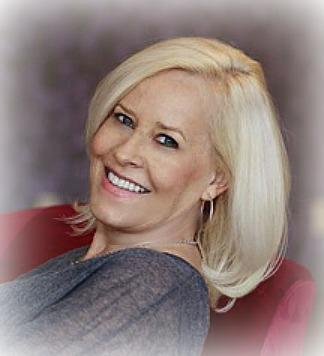
Kaaren Whitney-Vernon is SVP, Branded Entertainment of Shaftesbury. Shaftesbury is in the business of storytelling and creating deep, dynamic fandoms. She is a sought after speaker and a visionary for the future of marketing. Before this position, and while on the road to becoming one of the best known experts in the branded content space, she was CEO and founder of shift2, a Branded Entertainment agency and is the founder of Youthculture Inc., a youth-focused media company specializing in creating branded programs. Kaaren now heads up the North American chapter of the Branded Content Marketing Association as their president and is working towards a new model for measurement while providing a voice for industry experts.
—
Watch for weekly news updates from Brand Storytelling in your inbox, and share this with other storytellers in your network.
Of course, if you’d like to contribute to the story, We’d love to hear from you. Email us!
-
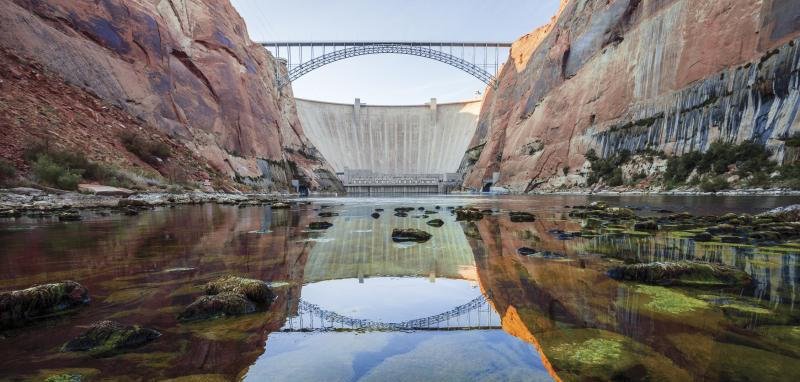
Q&A With Sub-Genre’s Brian Newman
DamNation – 2014
We met Brian Newman earlier this year in Park City while at our event Brand Storytelling at Sundance Film Festival 2017. Brian is no stranger to the film festival scene, as he has served as CEO of the Tribeca Film Institute and currently sits on the advisory board of the Camden International Film Festival. That, combined with his extensive experience in film and video media, lends itself to the work Brian does at his company Sub-Genre, a consulting firm that works with major brands by utilizing film and new media to implement strategic marketing campaigns. Sub-Genre’s clients include Yeti, Patagonia, and Sonos, to name a few. We got the opportunity to catch up with Brian this week about the work he does and his take on what makes a great branded story.
—
How does Sub-Genre enable a brand to communicate its message and ideals through story?
At Sub-Genre, we help brands by connecting them directly with talented filmmakers and story-tellers to create genuine, moving stories that communicate the brand’s ideals to an audience. We also build a campaign around these films to engage an audience through traditional film channels – theaters, film festivals, broadcast and online platforms. We build a movement around the film instead of simply buying eyeballs through ad-spend. In the best examples, such as Charged, from Yeti or DamNation from Patagonia, we can tell stories that resonate and inspire audiences to make a difference.
How do you partner the right filmmaker with a brand?
Before I founded Sub-Genre, I worked for years as a funder and supporter of filmmakers – running film festivals, the Rockefeller Fellowships and the Tribeca Film Institute. The staff here all have film backgrounds as well. Because of that background, I have great relationships with the best filmmakers in the business, and I know which filmmakers are right for which stories. I can also help build trust between the brand and the filmmaker, which allows them to tell a more creative story.What is the secret to generating and distributing a great piece of branded content?
The secret is having a great story and a great storyteller. Every aspect of the distribution is made 100 times easier when you’ve got a great film. We spend a lot of time as story-editors – not adding more brand messaging, but making sure the filmmaker tells the best possible story. We start as early as eighteen months before the film launches, building an audience for the film, positioning it with the top film festivals and finding the best way to leverage the brands other marketing assets to bring the film to the largest, organic audience possible. And we work with lots of partners for every launch- film publicists, theatrical bookers, nonprofit’s working on related causes, and others who can help us make sure the film finds its audience in the marketplace.
—
Watch for weekly news updates from Brand Storytelling in your inbox, and share this with other storytellers in your network.
Of course, if you’d like to contribute to the story, We’d love to hear from you. Email us!
-
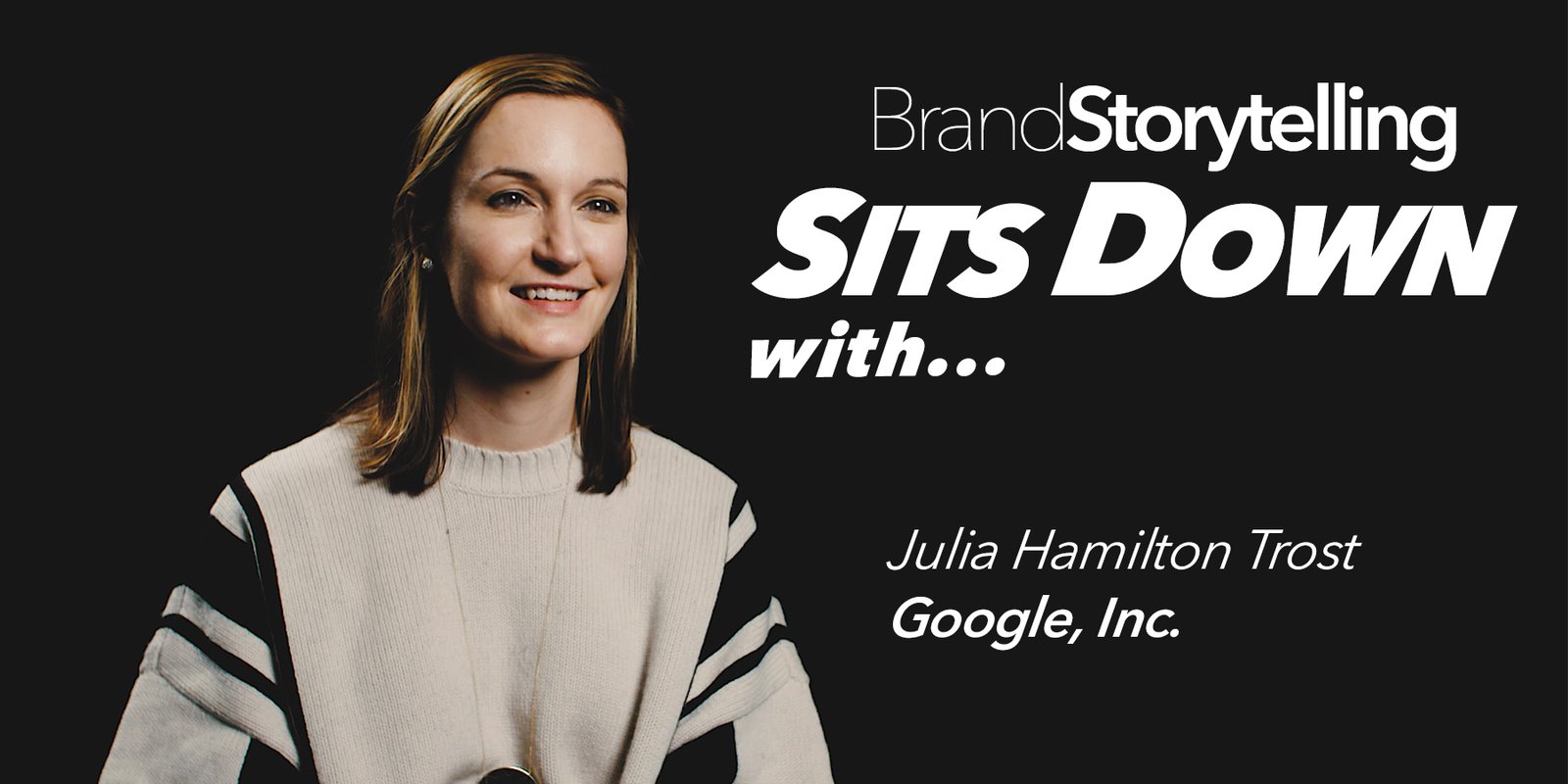
Julia Hamilton Trost – Interviewed at Sundance Film Festival 2017
Julia Trost and Google VR partnered with the Nestlé brand to produce The Extraordinary Honeybee, a VR film experienced through the eyes of a bee and produced in an effort to bring awareness to Colony Collapse Disorder.
What does someone like you, pioneering the mobile VR platform Daydream, have to say to brands about implementing VR when they’re still wondering where they’ll see their ROI?
Brands need to be willing to experiment a little bit to see what works. I think, as a VR Platform, we will get more data over time that will hopefully help brands feel a little bit more comfortable with experimentation. So, things like heat maps – if a brand creates a VR video and they want to understand how users are engaging with that video, being able to use something like a heat map to see where a user’s gaze is going and what pieces of the video they’re really focused on helps brands see what resonates.
Brands need to be comfortable with being able to take a brand out of the story [and ask] how can brands use VR to connect in an authentic way? Brands can also find ways to do it on a small scale… they can find potential creative agencies they can partner with on a two minute piece and experiment to see what kind of authentic stories they can tell with the medium.
What rewards to brands reap by being first in on VR culture?
I think that a brand that’s first in has the power to make that connection as a “first-mover” [VR] blows minds… it has an impact in a way that a 2D piece can’t. How can a brand think about this using VR, not just for VR’s sake, but to tell a story that can’t be done in 2D, and then get users to understand through that immersion the story that that brand is trying to tell? Use VR for that purpose. Come up with a creative idea, go to the experts, and figure out the authentic story you can tell through VR and experiment with it. That’s what VR should be about for brands at this point. Don’t be afraid to play.
Is this truly “the year of VR”, or will it take more time to happen?
More great content will come – I think that’s coming. I do think that there could be a little bit of overexposure where people are expecting a lot from VR when it’s still going to take time. It’s going to take time to figure out monetization. It’s going to take time to figure out how brands are going to get an ROI; that’s not necessarily going to be in 2017. In 2017, we’ll see more social and a lot more live [content]. Has it been done perfectly yet? No – I think there’s a lot of things like that in VR. Productivity and Business to Business applications will come more and more in 2017, and there will be more use cases outside of gaming and entertainment.
—
Watch for weekly news updates from Brand Storytelling in your inbox, and share this with other storytellers in your network.
Of course, if you’d like to contribute to the story, We’d love to hear from you. Email us!
-
Mapping The Trails: Carat’s Shannon Pruitt Discusses Elevate’s ‘Support’ Trail
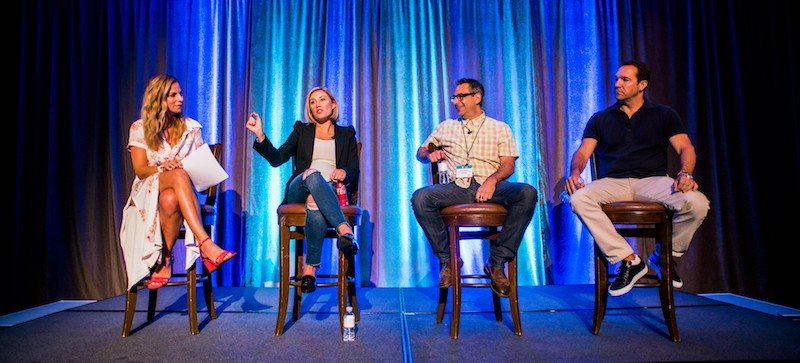
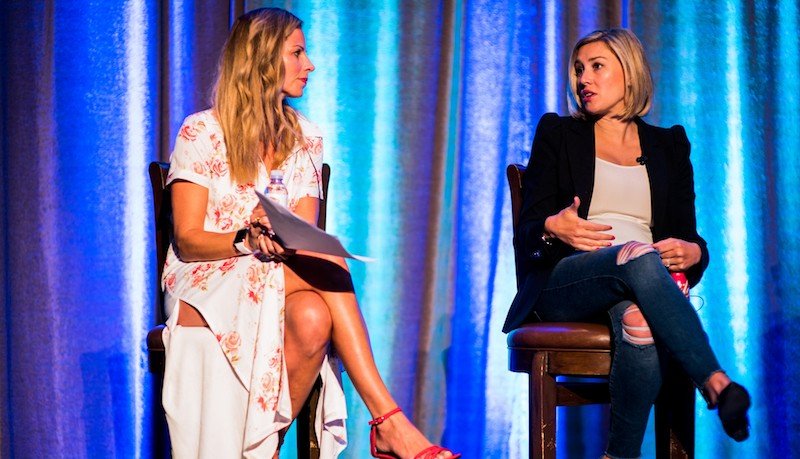
Pictured: Shannon Pruitt, Kate Santore, Eric Korsh and Chip Russo as they lead the ‘Setting the Scene’ Trail at Elevate 2017. This trail examined what, how and why brands pursue and invest in the creation and distribution of original content.
Week by week, Brand Storytelling will be bringing you exclusive insight into each of the Elevate “trails” (our clever name for the panels at our summer event), featuring input from our esteemed trail guides.
This week we’re taking a closer look at the ‘Support’ trail with the help of our highly qualified trail guide Shannon Pruitt, newly appointed Chief Content Officer at Carat USA. We connected with Shannon to discuss the ins and outs of Elevate’s second trail:
—
Hey there Shannon! What can you tell us about the ‘Support’ Trail?
We will explore and discuss the new(ish) frontier of organization around content and creativity and how brand stories are planned for and produced in the new world of people, platforms and technology. The way brands define, create, and co-create their stories in a world where breaking through the clutter and engaging people is more challenging than ever before. In Support, we will go deeper into understanding the opportunities and challenges that executives face internally as much as externally and ways to frame the best approach for your brand.
What do you anticipate your panel conversation will entail?
A hopefully rowdy and provocative dialogue about best practices and philosophies on the best placement for organizational responsibility and where they money comes from, who supports and champions the importance of brand storytelling (not just advertising) internally and how it actually happens. Internal vs external? Creative vs content? Media vs publisher? And everything in between.
When talking about support in this context, what’s the vantage point? Will the question come from one or multiple perspectives?
This conversation will only be productive and valuable if there are multiple points of view. Brand, Publisher, Media and Creative AOR, Content. Every brand has different challenges and there is no one size fits all solution. It will often be a hybrid or a test and learn, but the more honest and transparent discussion we can have about advantages, disadvantages, frustrations and wins, the more people will be better equipped to have a topical and thoughtful educated POV when they go back to their own organizations.
What do you anticipate will carry over from the panels into the group discussions?
Think and hope are different things! I hope an honest discussion about what works and doesn’t, has and hasn’t will be the carry over without agenda to sell or defend a particular model. I would love to see a safe environment for people to share their wins and their losses and why things have or haven’t worked for them.
What’s the largest takeaway you hope attendees will walk away with from the ‘Support’ trail?
I hope people will walk away with a more multifaceted POV on what might work for them and a true assessment of where they are in their own journey so as to be able to either create a plan, or make tweaks in their existing plan and structure.
I understand you have a new title; “Chief Content Officer at Carat USA”. Please tell us about the shift from StoryLab and what this new role entails.
With the ever changing consumer landscape, it is more important than ever before to use the power and insights from our data to inform creativity and to make it easier for our clients to understand, communicate, collaborate and create their BrandStory to better find and connect with their customers.
As The Story Lab was moving to more of an entertainment format investment play, my heart lies with working with brands so we agreed that we would move myself, my team and our capabilities into Carat and i would become the first CCO for Carat with an eye to build out what an end to end relevant and personalized brand storytelling (content) experience looks like. From strategy to Partnerships, influencer, original and now DCO, Carat Content will be a core part of the future of Carat and all of its brand clients.
What are you looking forward to getting out of Elevate 2018?
I always love meeting and seeing all the folks who are both committed to, and shepherding the discipline of brand storytelling in all its shapes and forms. I always learn so much from listening to the different perspectives, and in my new role as Chief Content Officer for Carat, I hope to be able to bring some learning and new ways of thinking into our own organization as we build the discipline for the future of people’s attitudes, motivations and behaviors.
About Shannon Pruitt:
As clients and agencies in the advertising and media world seek digital transformation, Shannon believes the key lies in a true shift to a data and insight-driven, audience-led marketing transformation. Through understanding the intersection and impact of brand storytelling through behavioral/contextual distribution, tech and commerce, she leverages her unique background in working with brands, tech platforms, content creators, IP/rights holders, and media owners giving her an expert ability to quickly understand, adapt and architect marketing strategies, solutions, and experiences that create business results.
—
Watch for weekly news updates from Brand Storytelling in your inbox by subscribing, and share this with other storytellers in your network.
Of course, if you’d like to contribute to the story, We’d love to hear from you. Email us!
-
FEATURED: Q&A with Creative Agency Other New York
Other New York is a creative agency and branded content production house that is quickly gaining recognition for their innovative and socially conscious approach toward branded storytelling. The name Other New York invokes the city’s reputation as a nucleus for creative talent, while signifying their mission to engage consumers in something surprising, fresh, relevant, and “other.”
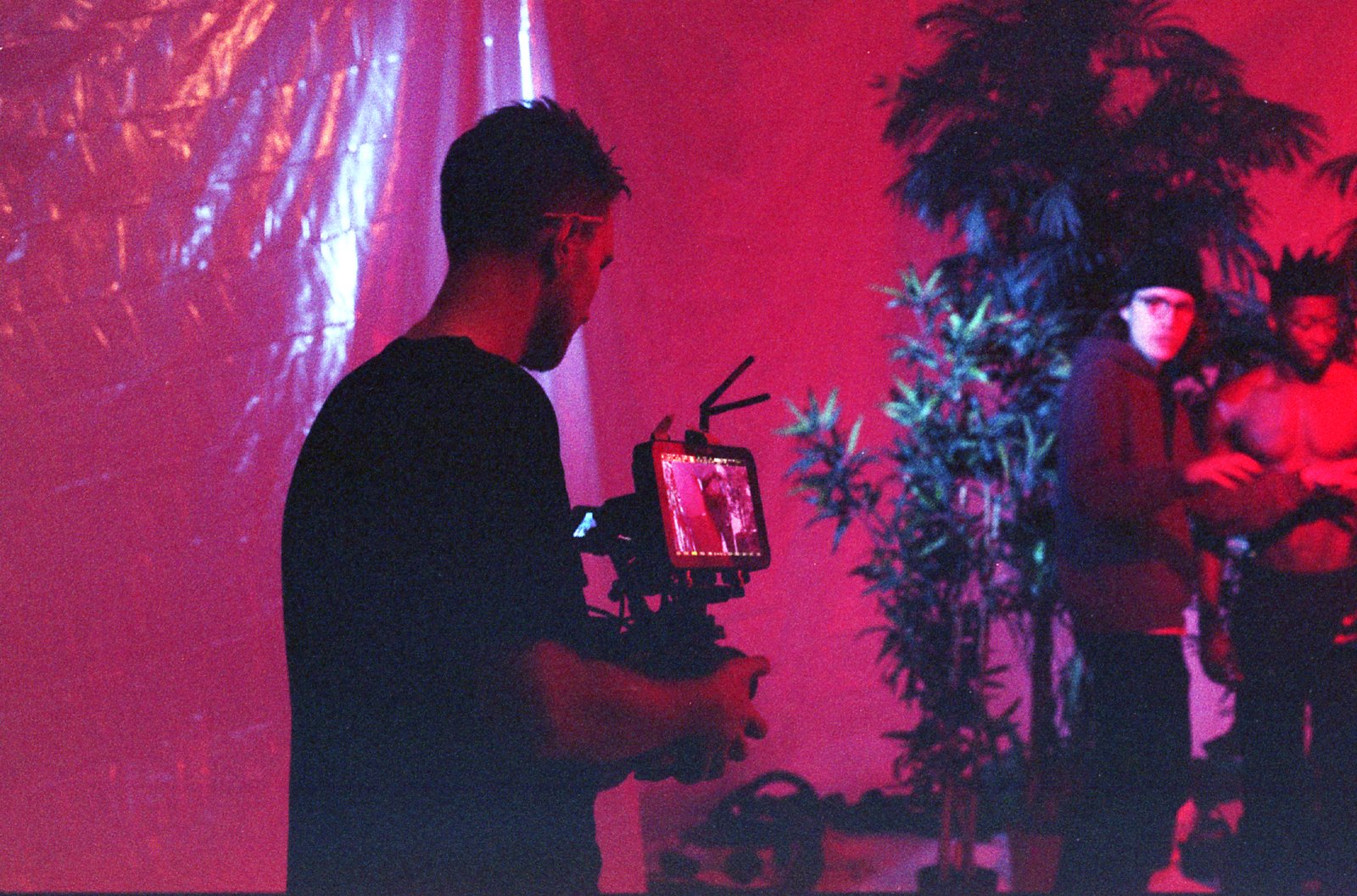
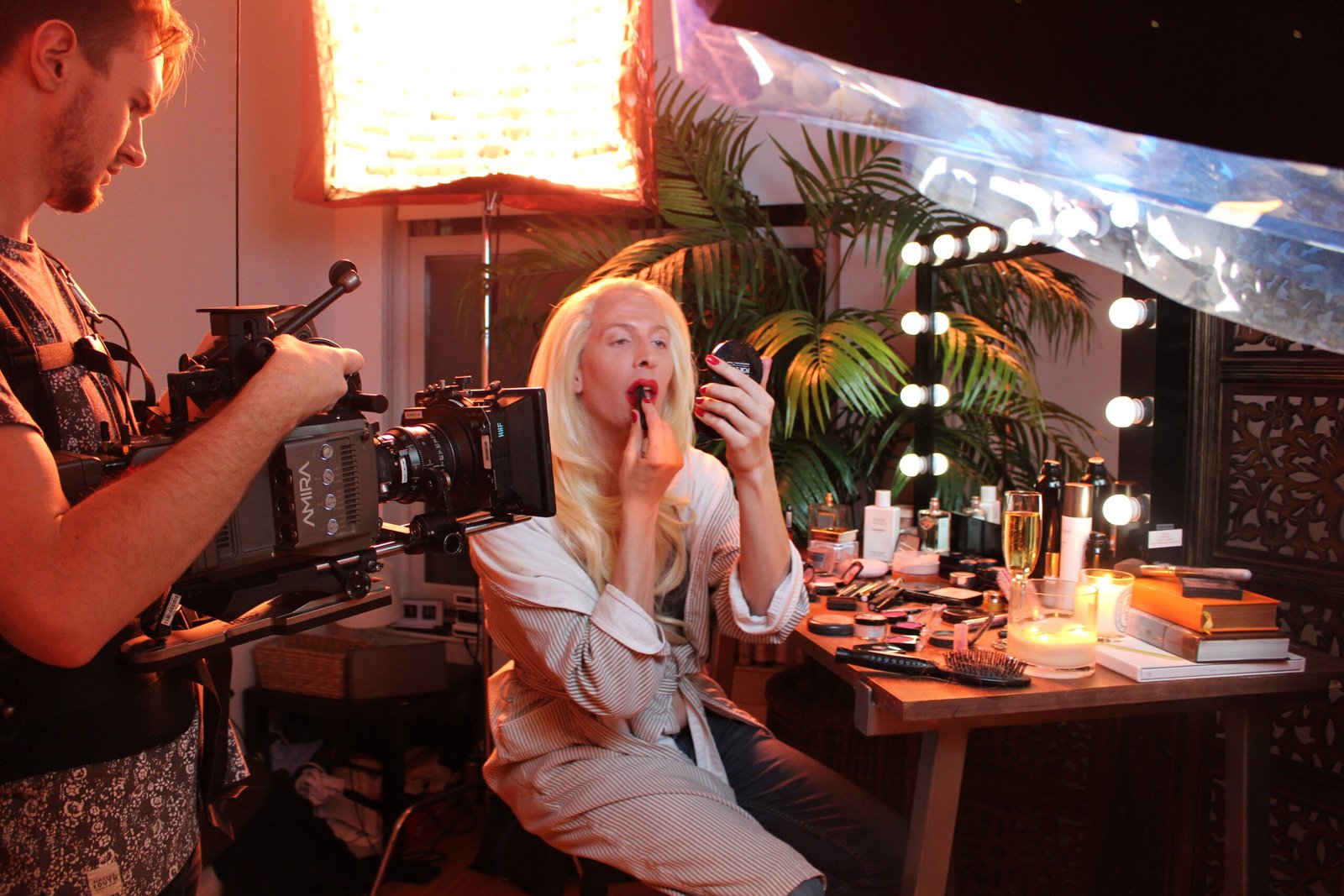
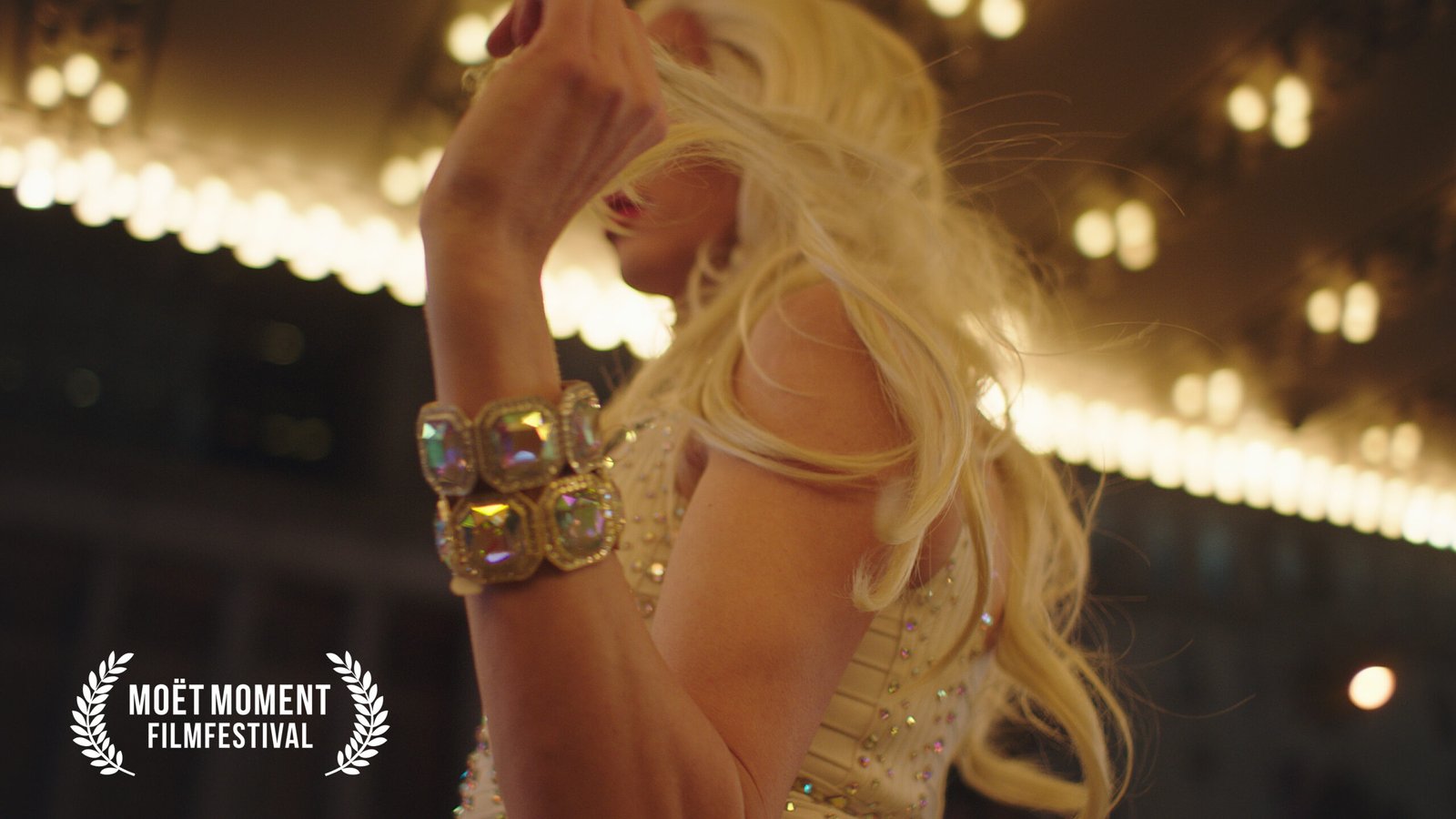
Recently, the agency created and produced a one-minute film for Moët & Chandon, featuring the brand as the beverage of choice for special occasions while simultaneously telling a story that challenges societal gender-normative expectations.
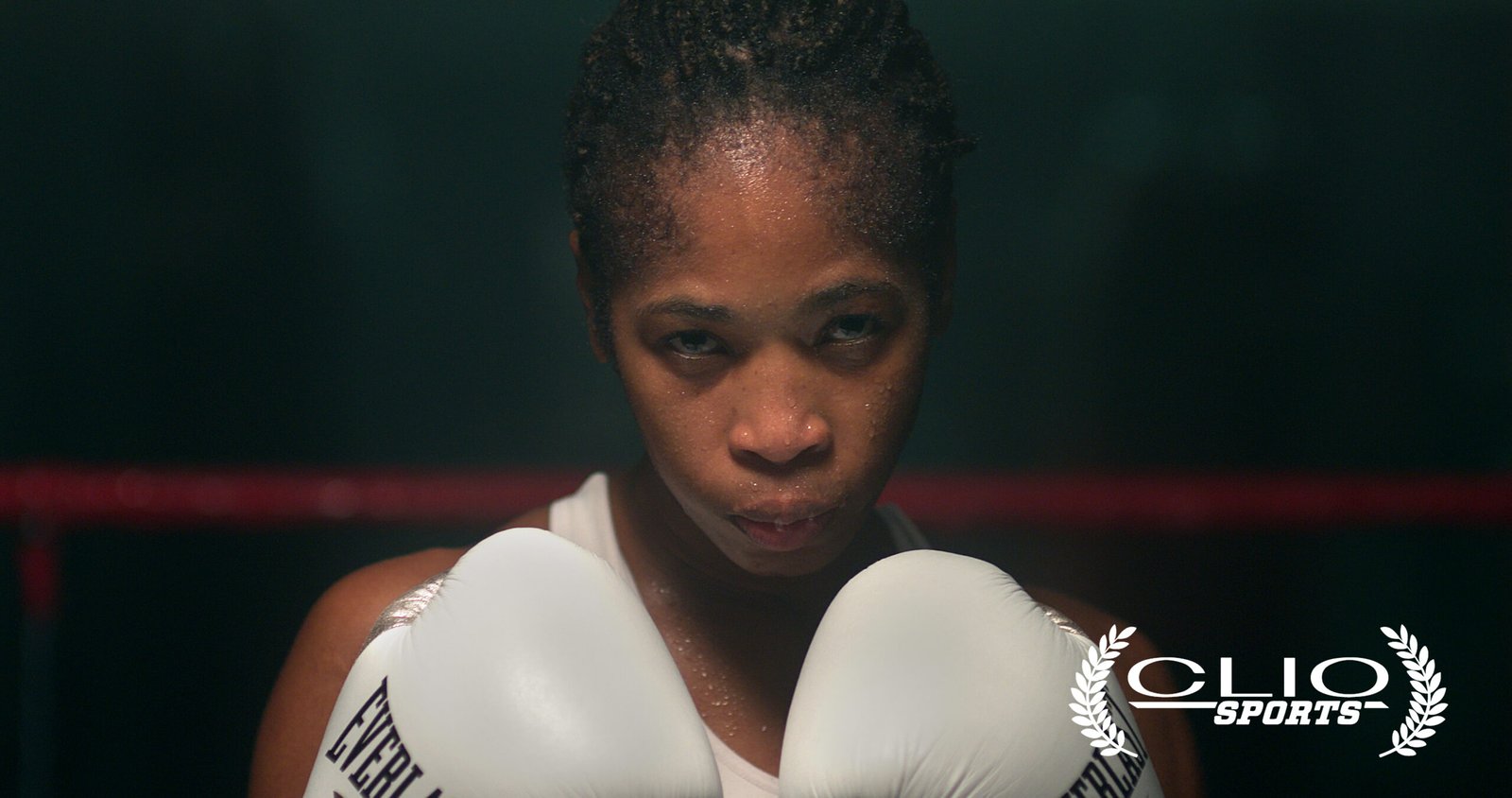
Other New York’s founding partners, Peter Pascucci, a young artistic filmmaker fresh out of NYU, and Jack Welles, who brings an advertising focus from the School of the Visual Arts, along with newcomer to the team, writer/director Jennifer Parkhill, have made it their mission to use branded content as a platform for starting conversations. Their collaboration yields an award-winning balance of marketing and entertainment that delivers a memorable and thought-provoking narrative that stays with viewers, as evidenced by their recent win of the Clio Sports Silver Trophy for their work with Everlast.
Brand Storytelling decided to have a conversation with the Other New York team to find out more about their commitment to balancing art and advertisement, using branded content to spark a conversation, and the source of their inspiration.
Can you speak to how Other came about? Why are you called “Other New York”?
While working on a spot for the Moët Moment Film Festival, it occurred to us that there is a real opportunity to create work that gives voice to marginalized groups in New York City and beyond. The concept of being “othered” is something we feel motivated to bring awareness to. The name invokes New York’s reputation as a nucleus for creativity and culture, while simultaneously signifying our mission to engage consumers in something surprising, fresh, relevant and socially aware.
What is your approach to building stories specifically for brands?
Part of our creative process is thinking about social issues that exist in the space of the brand. We craft a story around a statement. We see social problems and issues as opportunities for marketers. For us, it’s a more interesting approach. In the instance of Moët, we placed a drag queen at the center of the film, it allowed us to bring an often neglected and integral part of New York City culture out of the shadows and into the mainstream while infusing the topic with levity and empowerment. Brands have the power to take on these issues. Problem solving is the heart of advertising.
What type of dialogue do you seek to spark with your work? Who is that dialogue supposed to exist between?
The dialogue is multifaceted. We want to create media forest fires. It’s about creating things that people feel compelled to share. We live in a world where words often fail us when it comes to conversation but art can can break the wall. It’s between the brand and the consumer, between mothers and fathers, between marginalized groups and is about getting people to look over the fence and talk to their neighbors. Simultaneously, we believe there is room for more radical content to reach an otherwise untapped consumer.
The three of you are all newly-minted graduates, artists entering the working world. Why take on the task of turning advertisements on their head and away from the traditional? Why work in the branded space?
We work in the branded space because we see an opportunity in the typically dull advertisement. We are culture consumers who want to push the status quo of advertising with radical thinking.
Your work with Everlast garnered accolades and earned you a Clio because of its roots in social consciousness. How do you define socially conscious content?
As millennials, we are sick of seeing ads that’s sole purpose is to sell products. Our reason for creating socially conscious content came from the desire to align with brands that we can identify with. It’s about holding a mirror up to ourselves and being brave enough to say that we are part of the problem and then holding ourselves accountable and hoping that others will follow.For us, it’s about approaching relevant topics, or social issues and using our work to start a conversation, It all starts with identifying the problem. We can’t talk about the problem until it has been named.
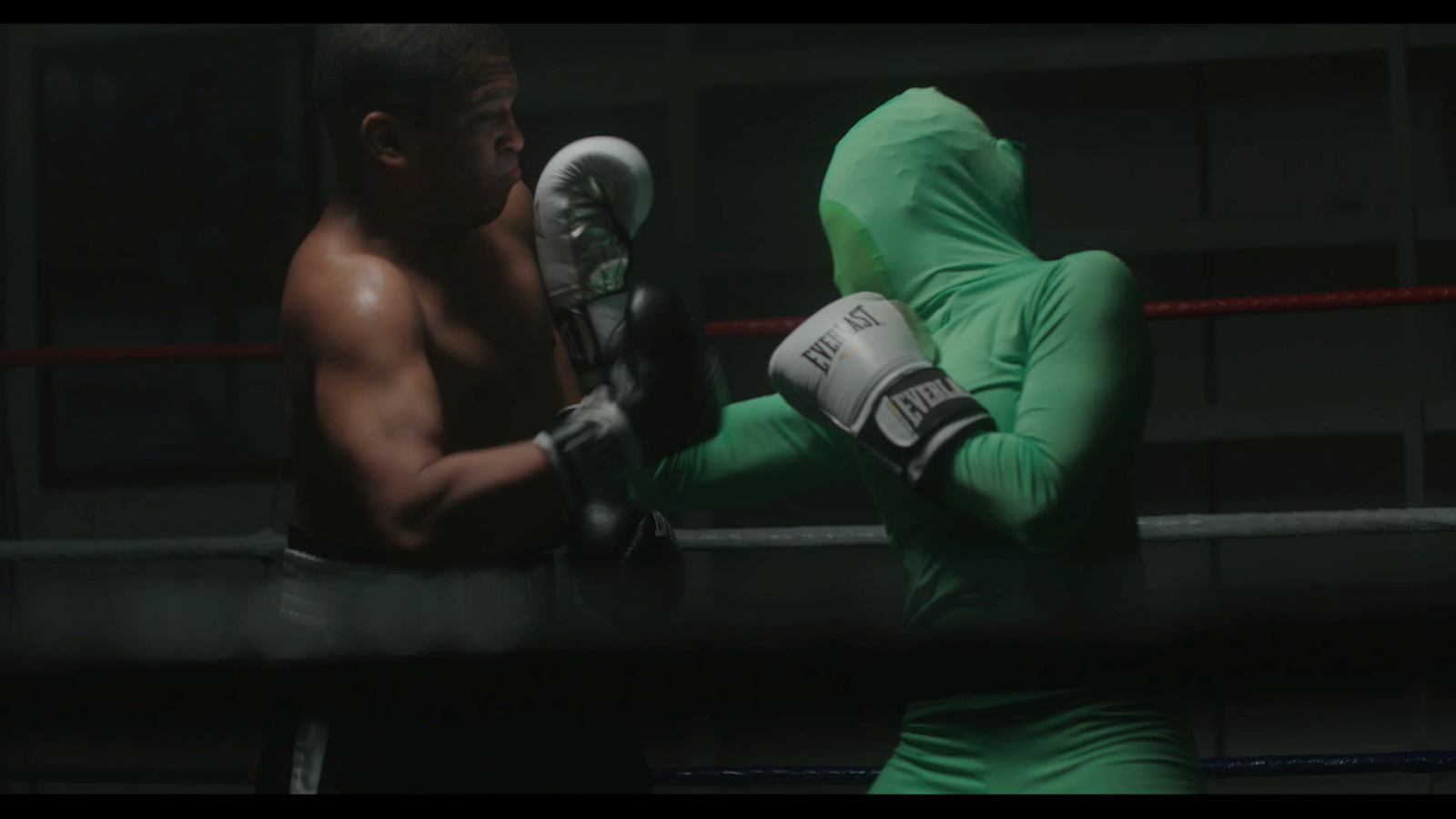
For Everlast we began by working with the insight that women are only represented in 8% of televised sports media. This spot became a literal visualization of the significant lack of female athletic media coverage and drew upon the notion that even the greatest professional female athletes are nearly invisible in sports media. Overall it aimed to raise awareness and start a wider conversation on the topic of female athlete’s representation in sports media.
You seem to have a unified and singular vision that is pervasive throughout your work. What is that vision? What is your mission?
Our vision is to create work that is future proof and creates lasting relationships between brands and consumers.
Why do you think storytelling is becoming so important to advertisers? What does this mean for your own work?
Advertisers are being forced to join the times. What people need right now is a good story and to form relationships, not only with one another, but with the products they use every day. Every piece of content is an opportunity to make something artful that people will choose to engage with. We see enough revenue driven ads in Times Square and on billboards on the 405 every day. What we need are stories which will stay with us and make us feel connected to something bigger than ourselves. We think about the kinds of ads that stir and compel us, then strive to make the kind of work we would want to watch.
What are you working on now? Anything you can share?
We are looking for brave clients that want to work with us to disrupt the model.
—
To see the work of Other New York, visit their website: www.otherny.com
Peter Pascucci is a New York City based filmmaker, born in Syracuse, New York. He has worked largely in NYC for production companies such as Phoenix Media Group, and Click3X, bringing him onto projects for Samsung, IBM, GQ, Glamour, Guggenheim Media, Clio Awards and Mercedes Benz Fashion Week. Most recently, Peter’s narrative work has been awarded by the Russell Hexter Film committee and his advertising work received top honors by both the Moët Moment Film Festival and Clio Sports Awards.
Jack Welles is a California raised, New York City based advertising creative. In 2017 alone, Jack’s work was recognized by D&AD, One Show, Clio Sports, and the Möet Film Festival. His work has been featured in BuzzFeed, Highsnobiety, Vice, AdWeek, & Creative Review. Jack has worked for several advertising agencies including Ogilvy and DDB.
Jennifer Parkhill is a New York City based director, writer and actor, raised in California. She received her Bachelors in Fine Arts from the Tisch School of the Arts with minors in creative writing and film production. She has worked as a staff writer at Brunch Mag NYC, as the associate artistic director of Five Bridges Theater Company NYC, an ensemble company member at the Flea Theater NYC, and is the screenwriter and star of Far Rock, recently awarded by the Russell Hexter Film Committee.
—
Watch for weekly news updates from Brand Storytelling in your inbox by subscribing, and share this with other storytellers in your network.
Of course, if you’d like to contribute to the story, We’d love to hear from you. Email us!

-
A Night of Musical Celebration & Special Screening from MacGillivray Freeman Films
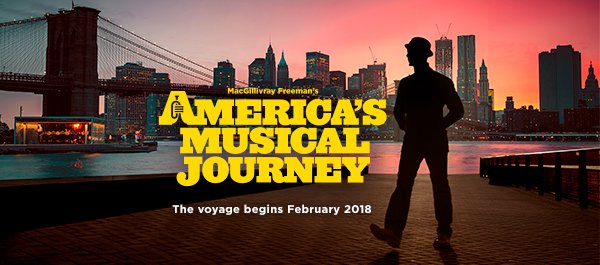
We’re thrilled to announce that we’ve just added an incredible night of musical celebration to our event schedule. On Saturday, January 20th, enjoy a special screening of the upcoming MacGillivray Freeman film, America’s Musical Journey, produced in association with Brand USA, followed by a special performance from multi-talented singer/songwriter Aloe Blacc.
For all inquiries feel free to email us at Events@BrandStorytelling.tv
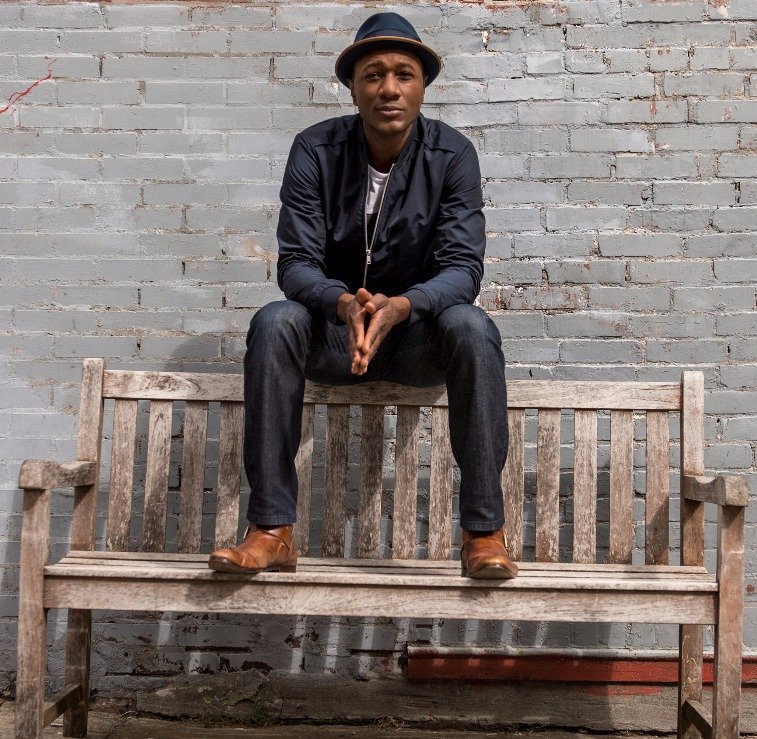
Aloe Blacc is an American musician, singer, songwriter, record producer, actor, businessman and philanthropist. With “Wake Me Up”—the 2013 mega-hit he sang and co-wrote for Swedish DJ Avicii and saw climb to #1 in 102 countries across the globe—Aloe Blacc proved himself a singer/songwriter with an irresistible power to capture the complexities of human emotion. Now with his third solo album Lift Your Spirit, the rapper-turned-singer pushes further into a folk/soul/pop fusion that’s both undeniably joyful and eye-opening in message.
—
Watch for weekly news updates from Brand Storytelling in your inbox, and share this with other storytellers in your network.
Of course, if you’d like to contribute to the story, We’d love to hear from you. Email us!
-
Patagonia Goes to Washington
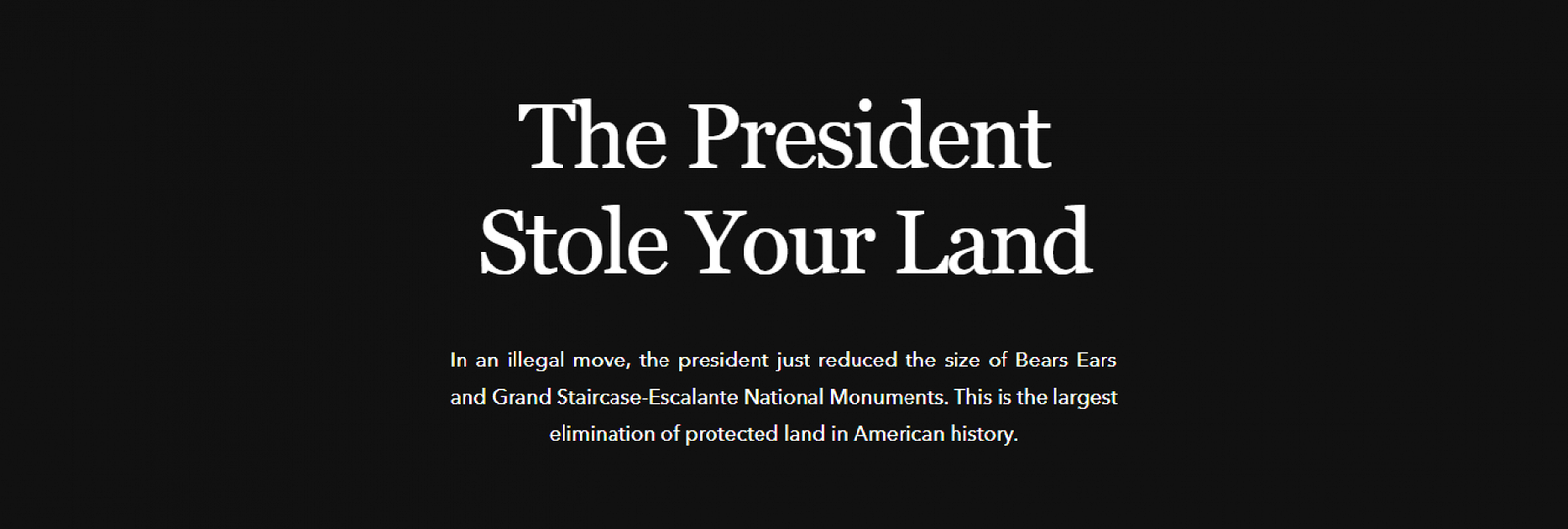
Unless you’ve taken a “no screens” challenge this week or are living under a rock, you’ve likely seen Patagonia’s stark, black banner with white text reading, “The President Stole Your Land,” going around the internet. After the President shrank two national monuments protected by federal law this week, the outdoor goods brand has made it their mission to inform the public by displaying their black banner on their website and social channels, and are going so far as to sue the U.S. Government for unlawfully shrinking the size of the two Utah nature areas in question, Bear Ears and Grand Staircase Escalante.
Brands standing up for social issues is nothing new, but this instance is different, even special, because it is Patagonia’s most subversive and disruptive piece of marketing to date. The banner itself has been shared hundreds of thousands of times on Instagram and other social platforms, often by people who don’t even know where the banner originated from. The act of creating and placing this banner strategically has resulted in its widespread visibility and success in the spread of a message that would have otherwise potentially gone unknown by mass swaths of the population. Patagonia’s strategy has been a hit, but it’s important to examine what the strategy was in the first place.
The key to the entire endeavor is that Patagonia is genuinely, authentically, meaningfully putting “land before brand.” They are taking the government to court. The company isn’t pulling a stunt in an attempt to appear to fight for the country’s national parks and landmarks, they’re just fighting for them, period. Brand respect (and subsequent brand loyalty) is not the brand’s goal, but a happy side-effect. Brands like Patagonia, REI, and The North Face are using the President’s land decision to challenge the notion that claiming to stand for what your brand says it believes in isn’t enough – that actions resonate with the people more than words. Social responsibility can be an opportunity, not to pander to a brand’s audience, but to prove to that audience a brand’s mettle. And in 2017, amidst the flailing and flying accusations of fallacy and hypocrisy, few things are more important than real integrity.
Related Articles:
AdWeek
Patagonia Is Suing the White House as Companies Like North Face and REI Take a Stand for Public LandTime
Patagonia CEO: This Is Why We’re Suing President TrumpThe New York Times
Patagonia, REI and Other Outdoor Retailers Protest Trump’s Decision to Shrink Utah Monuments—
Watch for weekly news updates from Brand Storytelling in your inbox, and share this with other storytellers in your network.
Of course, if you’d like to contribute to the story, We’d love to hear from you. Email us!
-
Q&A with ‘Elevate’ Trail Leader, Digital Media Expert Fara Warner
As marketers move deeper into brand-funded content, how are they proving that their efforts are driving an increase in revenue for the brand’s core businesses?
Trail 3 at Elevate will focus on answering the question of how marketers evaluate success, as well as shine a light on how brands think about predictive modeling vs. post-campaign measurement. Leading Trail 3 will be award winning journalist and digital media expert Fara Warner.
We caught up with Warner to key into her expertise and discuss what’s in store for Elevate attendees set to embark on the Measuring Success trail:
How and why did you begin writing with a focus on digital media and storytelling?
I have been covering marketing and media for more than 30 years. At The Wall Street Journal and Fast Company, I covered the first Internet boom and its affect on brands and advertising. The intersection between publishing and advertising has always interested me as we depend heavily on each other to reach audiences. The growth of using journalistic methods to tell brand’s stories–what has evolved into branded content–has interested me from my first sponsored program at Aol (This Built America) through to my work at WSJ. Custom Studios leading a team of creatives that worked on campaigns such as Cocainenomics for Netflix and Defy Hunger Together for MINI USA.
In what ways do brands and their partners get measurement wrong? In what ways do they get it right?
One key insight from my research is that brands don’t have a great deal of trust in the measurements they receive from partners, be they agencies, publishers or the platforms. This lack of trust comes from a lack of standardization on what metrics matter in branded content. They also point out that everyone in the chain of data has a reason to make themselves look good from the data. But brands truly need clear, transparent data to make decisions either before, during or after campaigns.
What do you hope the Elevate audience will learn from this session? What real-world business applications might they be able to employ?
I’d love to see a working group evolve out of this session to determine what metrics are crucial for branded content–and what metrics we can stop looking at or at least reduce our dependency on them. I think a focus on knowledge from data instead of just data for data sake is also a critical discussion we need to have. Finally, how do we make better use of technology to understand how audiences engage, feel and think about the branded content we produce.
How does an event like Elevate help stoke conversations like this?
By putting all the players in a room together to talk about tough issues, we get collaboration instead of competition. Elevate offers a safe space to have these conversations where we can be honest and transparent about the challenges facing branded content. I think we all love this sector of advertising. We love the creativity and imagination. But to keep it moving forward we have to clear metrics that truly measure if it’s engaging with real people, not impressions, page views and click through rates.
About Fara Warner

Fara Warner has worked in every storytelling medium from traditional print, books, and digital publishing to virtual reality films throughout her three-decade journalism career. She is an award-winning author and journalist specializing in the art and science of storytelling in the digital age, new business models for journalism, and the critical need for diversity in creative teams and women’s growing economic and social power. In the past decade, she has led teams of developers, designers, writers, and editors at organizations including The Wall Street Journal and Aol Inc. She is a leadership ambassador for Take The Lead, a nonprofit focused on gender equity and pay parity and is the co-lead in the inaugural cohort “50 Women Can Change The World in Journalism.” She has served as the vice president and global editorial director of custom content at Dow Jones & Company, where she helped lead a team that grew branded content revenue from $14 million to $60 million in three years. She was the editorial director of Aol Inc.’s Tech, Business and Entertainment Group, overseeing editorial strategy and teams for leading finance and technology sites, including DailyFinance, TechCrunch, and Engadget. At Aol, she created and produced the year-long program, This Built America, that explored through documentary video, photography and narrative journalism the resurgence of American manufacturing in the 21st century.She is the author of the best-selling business book, “The Power of the Purse: How Smart Companies Are Adapting to the World’s Most Important Consumers—Women.” She is the recipient of the Howard R. Marsh Visiting Professorship at the University of Michigan where she taught digital storytelling. She holds a master’s degree in journalism from Columbia University and was a 2005-2006 Knight-Wallace Fellow at the University of Michigan. She lives in West Shokan, N.Y. and New York City.