Category: Blog

Your blog category

  • What Digital Transformation Means for Brand Communications

    What Digital Transformation Means for Brand Communications

    When I was in graduate school one of my Professors asked us, “When you think about a brand, what does it mean to you?”. My immediate response was, “It’s like having an imaginary best friend”; an answer I blurted out without hesitation. He looked at me surprised, maybe a little shocked, but I still agree with what I said. Great brands get you. They grow with you. And they’ve got your back.

    The more I’ve worked in the ad industry the more perspective I have gained from partnering with a variety of clients to working on the business development and operations side for global media and creative agencies. No matter where you are in the business, there’s one thing that everyone shares in common: the need for evolution.

    When new-age companies began to truly disrupt industries a few years ago, the results were exciting for consumers and terrifying for some existing businesses; startups (Airbnb, Lyft, WeWork etc.) changed how we lived our lives. I was even provoked to create a company of my own while I was living in Italy, inspired by the democratization of technology and a timely opportunity. I co-founded one of the first yacht-share booking platforms in 2010 when the sharing economy and collaborative consumption concept was on the rise, with a friend from Napoli who owned a 65-foot Canadian Ketch sailboat. We created a new way for consumers to take a sailing trip through our model called cabin charter, which allowed us to monetize cabin space on board (and also hedged us from not being able to charter a whole yacht to an individual for a much higher price). Since then, handfuls of other similar yacht-share and boat rental companies have emerged, making an experience that was once very exclusive, very accessible. This personal example demonstrates how technology has changed ways of doing business, the habits of individuals, societies and cultures. But most of all, how it has changed consumer expectations.

    With the emergence of brands that are embracing digital as the core of their operations, how we leverage both the threats and opportunities that these new models yield matters tremendously for our own brands and businesses. As technology continues to surprise us, brands need to be integrated in the experiences where their audience is engaged, if not creating them for consumers. The role of creativity and storytelling (in addition to all other business functions), must take into account and reflect the cadence of optimizations occurring in the pursuit of a customer-centric offer.

    Speed is the name of the game, and we’re really just beginning to better understand how to improve on existing innovations in communications, from navigating programmatic developments and media commoditization, to collaborating with in-house creative units (considering U.S. creative account wins are an average 38% smaller this year than in 2016). But when you look at the stats, by the end of 2019, spending on digital transformation (DX) will reach $1.7 trillion worldwide—up 42% from 2017, and there are a myriad of ways organizations and industries will need to respond to new consumer expectations. Revenue from AI services is expected to grow from $2.4 billion in 2017 to $59.8 billion in 2025, and Big Data is projected to grow from $33.5 billion in 2017 to $88.5 billion in 2025. This alludes to not only how organizations will use data and technology to advance, but to how the consumer journey will continue to be rerouted. And with all this happening at once, as brands’ organizations transform to innovate and better service customers, the changing role of the CMO means the expectation of agency partners will be more and more different.

    It’s been said that creativity is the process of making new combinations from components that are already present; so what does that mean for your business? In the context of brand storytelling, effective communications will manifest through the ability to find synergies amongst existing human needs, new expectations, and technology. In order to evolve and progress in how we communicate a brand proposition, we must be cognizant of how new markets affect our own. We must ask ourselves honest questions when it comes to observing the current situation, and draw inspiration from hard evidence, insight, and opportunity. And most importantly, continue to create a sustainable advantage by understanding the consumer fluently, positioning the brand as that imaginary ‘best friend’ everyone wishes they had.


    About Tara Nolan
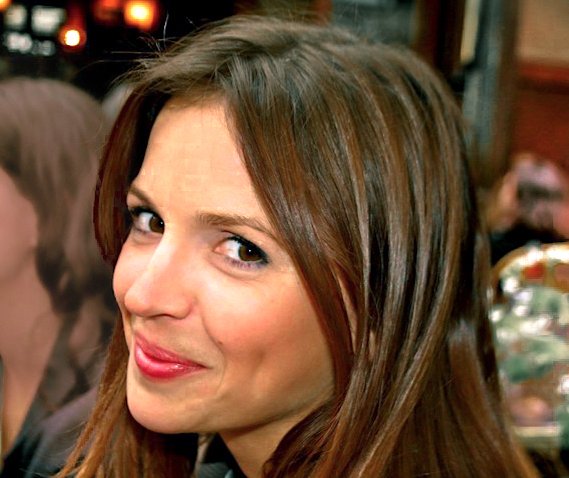
    Tara Nolan is a New York City based business development executive and entrepreneur. With over 10 years in media and advertising, she is the former Director of Global Brand and Business Development for global creative network MullenLowe Group, and previous Director of Marketing & Communications for PHD Media Worldwide.

    During her time at MullenLowe Group (2015—2017) she was responsible for global marketing, communications and business development. In 2016 her team led the global rebranding of the MullenLowe Group network following the merger of Mullen with Lowe and Partners; the merger rebranding was awarded a Cannes Lion in 2016 and led to the network being named to the AdAge 2017 Agency Standout Awards List. In her time at PHD Media Worldwide (2012—2015), she he was responsible for brand reputation management in support of U.S. business development, and the agency was named Global Media Agency of the Year 2013 by AdWeek.

    Tara began her career in media at WPP’s Group M and has worked across a range of categories and blue chip clients including Xerox, Richemont, Pfizer, Giorgio Armani, Swiss Re, Sagatiba liquor, and Cessna aviation. She graduated from Fairfield University with a degree in Marketing and Music. She also holds an MBA in International Business from St. John’s University Rome where she lived for several years, learning how to cook, sail, and drink wine. Tara is the recent founder of a blog dedicated to the promotion of sustainable living, and is currently writing a white paper with the Global Tourism Sustainability Council in support of the United Nations sustainable development goals.

    Watch for weekly news updates from Brand Storytelling in your inbox, and share this with other storytellers in your network.

    Of course, if you’d like to contribute to the story, We’d love to hear from you. Email us!

  • Announcing “Brand Storytelling”

    Announcing “Brand Storytelling”

    Brand Storytelling is the outcome of the January, 2016 event; Digital Storytelling at the Sundance Film Festival. Our first-ever gathering of brand marketers, ad agencies, filmmakers, creators, influencers and media partners was held in association with the iconic film festival in Park City, Utah. Presentations and discussions focused on the shift brands are making, from interruptive advertising, towards creating content that is engaging, entertaining, informative and inspiring.

    Adweek’s James Cooper, wrote the following articles during the 2016 SDFF kickoff weekend:

    Sundance’s First Digital Storytelling Conference Showcases the Best in Brand Videos

    How Data-Enhanced Storytelling Is Rapidly Reshaping Both Content and Advertising

    The 160 participants at Digital Storytelling share a real passion for the future of media and marketing. They know the ad business is changing fast because they are leading that change. They are the drivers of what many are calling a “renaissance period” in advertising, where creative must do more than sell, it must provide value.

    The super-charged conversations and meetings that took place amongst the attendees at Sundance lasted throughout the opening weekend. New relationships were forged. New ideas were shared. New partnerships took shape. By the time people got back to their offices, they were asking one another, “What’s next? How can we bottle that experience in Park City? How can we nurture this community?”

    Brand Storytelling is the answer. Visit our site to experience videos, photos, learn about our team, and find out about future events, such as Brand Storytelling at the 2017 Sundance Film Festival on January 18-22, in Park City, Utah

    The Brand Storytelling event will happen once a year, but the community of storytellers and their partners will be served weekly through digital mediums (newsletters, articles, videos, interviews, podcasts, ect.) that connect key players, provide information and educate, and inspire the industry to embrace new ways of engaging consumers. Come join the community and be a part of the story!

    Watch for weekly news updates from Brand Storytelling in your inbox, and share this with other storytellers in your network.

    Of course, if you’d like to contribute to the story, I’d love to hear from you. Email me: Rick@BrandStorytelling.tv

  • Meet the Advisors: Austin Schumacher of Lyft

    Meet the Advisors: Austin Schumacher of Lyft

    Since 2013, Austin Schumacher has overseen entertainment marketing and content at Lyft, leading the development of Lyft’s branded entertainment program. Amongst Lyft projects like Kevin Hart: Lyft Legend and June, you may have heard (over and over again, given the series’ nearly 40 million cumulative views) of the largely successful series Undercover Lyft, in which famous athletes and celebrities pose as Lyft drivers, ultimately revealing themselves to their unsuspecting riders. In addition, Schumacher has been responsible for Lyft’s influencer marketing program and Lyft’s studio co-marketing activations for films including Ghostbusters and Back to the Future.

    Brand Storytelling connected with the man behind the wheel of these many successful content operations to get a better understanding of where Lyft’s inspiration comes from, where its creative is headed, and what company growth means for Lyft’s content future.

    How has Lyft’s content plan grown and changed since the early days of Undercover Lyft?

    Our overall goals haven’t changed from the start in that we want to find unique ways to tell our story while contributing meaningfully to culture. Over the last few years, we’ve done this through owned and partner content, and we’re always looking for new ways to communicate our message. That could be through new formats, a unique partner, or uncovering new insights that lead to great creative ideas. We’re thinking about content differently these days in how we engage with partners, whether it be co-producing content or looking at integrations as a way to play a different role in the world of entertainment.

    You have such entertaining and versatile content, from June to Kevin Hart: Lyft Legend. Where does your inspiration come from?

    We have an incredibly talented internal creative team that drives a significant portion of our content. We also look to outside partners where it makes sense to tap into new audiences and develop ideas that might have a different tone or perspective on a creative idea.

    What is the most critical factor you consider before moving forward on a new piece of content?

    We always need to stay grounded in our values, and make sure that our content reflects positively on our passenger and driver communities.

    Fortune Mag recently stated that Lyft could have one third of the US rideshare market by Christmas. What does this mean (if anything) for the future or Lyft’s content marketing?

    It’s an exciting time for the industry as a whole and we’ve had a very productive year. With a lot of momentum heading into 2018, we need to stay focused on the message and continue pushing into new creative territory. We’re growing the team throughout the year (shameless plug in case anyone’s looking…) and can’t wait to share our new work!

    What are you looking forward to seeing and hearing at Brand Storytelling at Sundance film festival 2018?

    It’s a great group lineup this year and I’m excited to check in with old friends and meet the new folks we haven’t seen the last couple of years. Content-wise, I’m excited for the new MacGillivray film, America’s Musical Journey. See you guys out there.

    Hear more from Austin Schumacher and the rest of our advisory board in January during Brand Storytelling at Sundance Film Festival 2018. Please visit our website for more information on how you can attend this one-of-a-kind event.

    Watch for weekly news updates from Brand Storytelling in your inbox by subscribing, and share this with other storytellers in your network.

    Of course, if you’d like to contribute to the story, We’d love to hear from you. Email us!
  • NBA 2K League & Brand Partnerships: Q&A with Head of Business Development Lindsay Ullman

    NBA 2K League & Brand Partnerships: Q&A with Head of Business Development Lindsay Ullman

    Jordan Kelley, Content Director, Brandstorytelling.tv

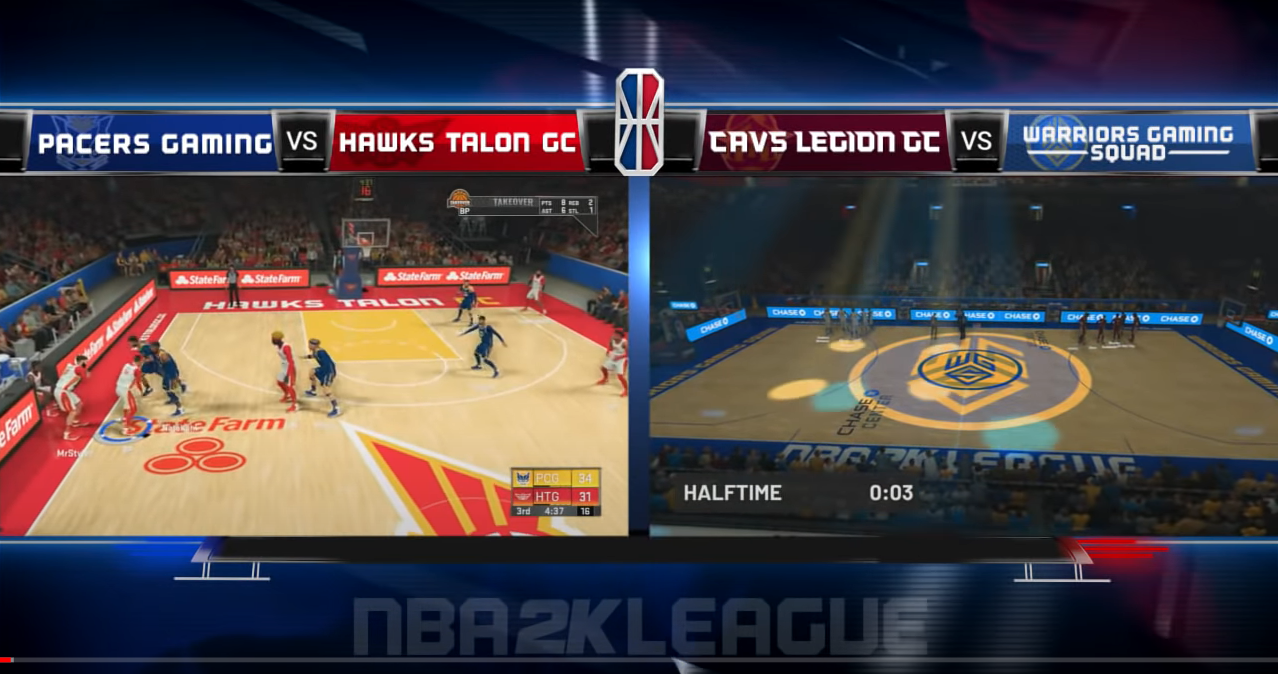
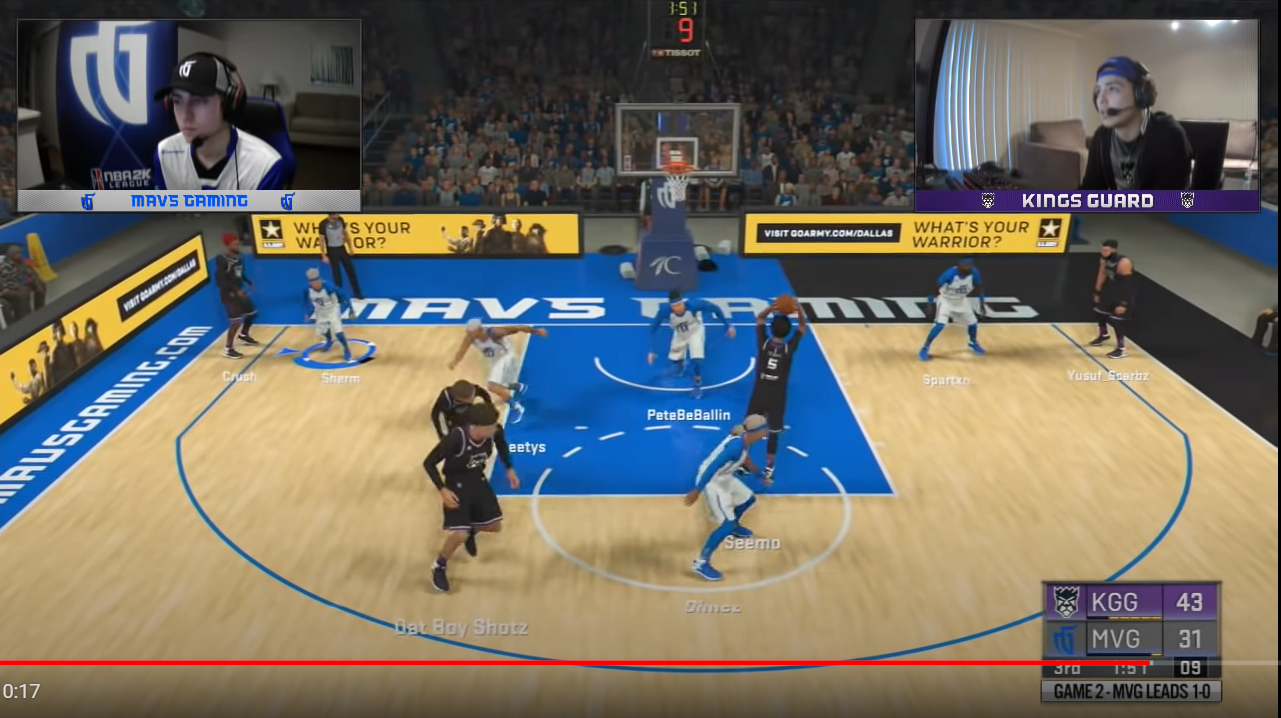
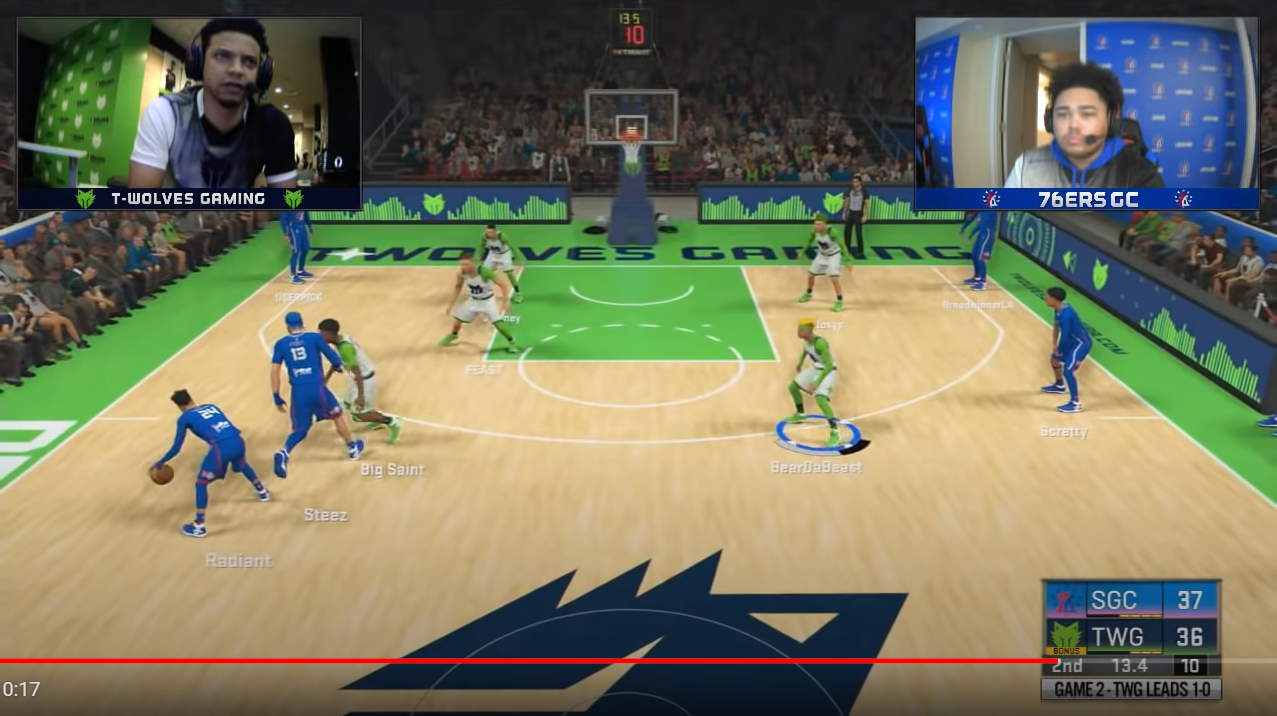
    May 5th marked the beginning of the NBA 2K League’s third season. For the uninitiated, the NBA 2K League is an esports league joint venture between the National Basketball Association and Take-Two Interactive, maker of the ever-popular NBA 2K series of Basketball games (a new issue is released each year). You can learn more about it watching our Brand Storytelling Live Stream on the subject.

    It’s an extremely important moment across multiple categories: esports, sports (period!), and broadcasting. In a moment where athletes can’t be together to play on their teams, esport athletes are providing much needed relief for sports fans who are finding that the supplemental experience of esports is helping them get through the “sportless” global pandemic. And with lots of new attention comes opportunity for esports brand partners.

    Brand Storytelling caught up with Lindsay Ullman, Head of Business Development, NBA 2K League at the NBA, to get a better understanding of what some of those opportunities might be, and advice on how to break into esports as a brand:

    The NBA 2K League season is in full swing! How’s it going so far?

    It has been incredibly exciting to get our season tipped off and we feel very fortunate that we’ve been able to move to remote gameplay. It has been fantastic to see the additional opportunities this has brought for both the league and our partners; one big achievement being our matches broadcast for the first time on linear television on ESPN2 as well as Sportsnet in Canada.

    What partner initiatives are you engaged in at the outset of this season?

    We’re really excited to welcome new partners in GameStop, Jostens, and SAP for the start of the season as well as welcoming back some of our partners from previous seasons and finding new ways to activate. Whether it’s HyperX who was a partner during our Three for All Showdown tournament in March and early April, AT&T who will remain a marquee partner throughout the entirety of our season and tournaments, or Panera Bread who delivered our NBA 2K League draft, we are really thrilled to have a great roster of partners on board for the 2020 season.

    What makes a great NBA 2K League partner?

    Great NBA 2K League partners are brands who want to enhance the fan experience while working together to create unique solutions that support their own brand objectives. This can come in lots of different forms – it could be custom apparel through Champion or creating content for the community like Bud Light is doing through their presenting partnership of “BFW Live” a weekly show that airs on Twitch. Both of these activations bring value to the community as well as the brand.

    For brands looking to break into esports, what should they do to narrow their focus?

    They should have a good understanding of what they’re hoping to achieve when entering esports and brands shouldn’t be scared to find the right fit for them in terms of partners. Brands should have clear goals and objectives and make sure they ask questions of the organizations they are evaluating about their values and growth initiatives.

    For brands who aren’t keyed into esports, should they start paying attention? Why?

    Absolutely. They should pay attention because of the young, multicultural, highly-engaged audience that consumes content differently than fans have historically. It’s an extremely passionate, tight-knit community that is looking for partnerships done in an authentic way.

    Where can folks tune in to the 2K League season action?

    You can tune into the NBA 2K League at 7 p.m. ET Tuesday, May 19 on ESPN2 and Sportsnet (Canada) and Tuesdays, Wednesdays, Thursdays and Fridays on ESPN’s digital platform, and the NBA 2K League’s Twitch and YouTube channels.


    About Lindsay Ullman

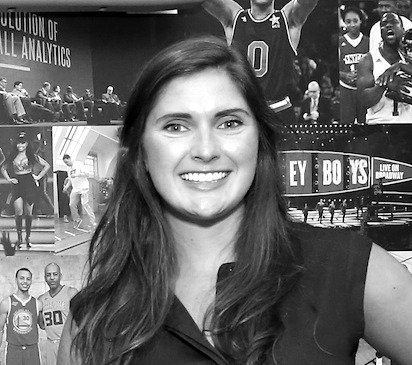
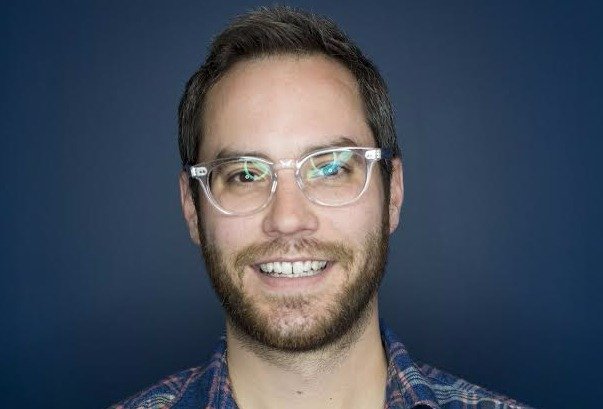
    Lindsay Ullman is the Head of Business Development for the NBA 2K League. In her role, she is charged with defining the brand, growing the business – including overseeing NBA 2K League partnerships – and enhancing the fan’s journey.

    Since joining the NBA in 2013, Ullman has served in a variety of roles including a key contributor on the NBA’s internal team consulting group, Team Marketing and Business Operations (TMBO). Ullman developed competitive digital dashboards, presented on digital and social strategies, and shared industry best practices to drive team business goals. Prior to joining the NBA, Ullman worked with multiple brands on digital strategy including Equinox, the Atlanta Hawks, the Atlanta Thrashers and Philips Arena.

    Ullman is a travel enthusiast having reached the summit of Mount Kilimanjaro in Tanzania, explored Torres Del Paine in Patagonia and spent evenings in both the Sahara Desert and the Serengeti. Her free time is reserved for running marathons, fitness and brunch.

    Ullman holds her Bachelors from Elon University with a dual degree in Corporate Communications and Psychology. She resides in Brooklyn, NY with her husband Sean and her dog Albert.

  • Data and the New Creative Class – Interview with Brian Zuercher, VP Strategic Partnerships at ICX Me

    Data and the New Creative Class – Interview with Brian Zuercher, VP Strategic Partnerships at ICX Me

    Discussions revolving around the implementation of data in the content marketing pipeline have changed over the course of a calendar year. In as much time as it’s taken to get decision makers on board with consumer analysis, the word data has become synonymous with measurement, relegating it to the last item listed on a post-production to-do list. Enter companies like ICX Media who are out to upend that definition by demonstrating the value of integrating data early in the creative process, achieving a balance between creativity and data science that uplifts all. Brand Storytelling met with ICX Media’s Vice President of Strategic Partnerships Brian Zuercher to discuss the art/science balance and how ICX helps achieve that balance for creators and marketers alike.

    How did ICX Media get its start? What was the impetus for opening up shop?

    At the heart of ICX Media is a curiosity about the future convergence of art and science. Our founder, Mike Avon has been operating at the intersection of data and marketing for years.Mike helped launch Millennial Media as a venture capitalist and later joined the company to lead its successful growth phase and IPO (NYSE: MM).

    ICX Media is a response to the ‘democratization of content’– a phenomenon born from the prevalence of mobile technology and ability for everyone to self-broadcast on social platforms. With this revolution of the media industry comes the new emergence of a “creative class.” ICX Media allows both creators and marketers access to better data about audiences, to inform their future creative endeavors, which in turn provides better video for content consumers.

    Tell us about the growth ICX has seen over the last year and how that’s changed the company’s capabilities.

    For the first 18-24 months, the ICX Media team focused on building out the core technology to withstand massive data and computational needs associated with processing video and video data at scale. For the last 7 months, ICX Media has been focused on going to market. We’ve grown to 40 employees including installing our presence in NYC and LA. In May we acquired SEEN, a Columbus, OH-based creator tech and service company that had been working with big brand clients bringing to life creator storytelling through influencer marketing campaigns and media properties.With this high-caliber team and established tech foundation in place, we are now moving beyond project-based work to begin onboarding our first major enterprise clients in media, entertainment, and brand marketing. Fun times!

    READ: 7 VIDEO MARKETING TRENDS TO WATCH IN 2018 via ICX Media

    The AI core is central to ICX enabling data and creative harmony – how does it work?

    The AI engine at ICX Media is constantly learning and generating insights by looking at and analyzing videos and audience engagements to those videos. For media companies, creators, studios and other storytellers, ICX Media brings that audience understanding to bear in order to help narrow in on what drives audience engagement. For example, is there white space that is being ignored? And which creators (both topically and individuals) are hitting that audience? We use the line “create with confidence,” by which we mean increasing creative capacity with a specific purpose. Audiences win because they get to consume better content and creators win because they please audiences and find continual growth.

    What is the greatest obstacle you face when working with brands in this space?

    We are sympathetic to brand marketers and the incredible challenges they face. The digital landscape is changing at a breathtaking pace. Our biggest obstacle is helping brand marketers weave data into their strategies early enough in the creative process so it can help inform the downstream tactics and creative output. We want to show brands how data should be an integral part of the creative process– not just a measuring stick at the end. In the past data was primarily a hindsight tool, so shifting thinking to foresight is our crusade.

    READ: USING DATA TO INFORM THE CREATIVE PROCESS via ICX media

    What excites you about data-driven storytelling that creators, agencies, and brands in this space should get excited about too?

    We’re excited to see the very specific types of content that creators will make when there is more confidence that the audience is available and interested. An idea that might have been hard to justify before — because the audience for it wasn’t obvious — could now be realized. It really comes down to connections: when you first meet someone, you may have a single common interest point. But when you spend more time with them, you begin to realize other shared passions that weren’t readily apparent. We believe that brands can, and should, do this with their audiences. The outcome is better content and better connections. We’re confident that this is just the tip of the iceberg.

    What’s on the horizon for ICX Media?

    It’s early, but we’re already seeing a ton of momentum in very localized content and programming. We talk about ‘local’ meaning specific interest groups and also local geographies. We’re actively building a service bureau that will be ‘always on’ delivering product and serving teams who are moving quickly to create and deliver content.

    About ICX Media

    ICX Media is revolutionizing the digital media market by enabling data-inspired storytelling; transforming the way video is created, distributed, and monetized. ICX Media’s proprietary smart platform harnesses advanced artificial intelligence and adaptive learning technologies to help brands, media companies and content creators create and share more impactful, engaging videos with data-backed confidence. The ICX Media community connects nearly 1 million independent creators with brands, media and entertainment companies to make turnkey talent sourcing, scalable video production, accelerated audience creation and cost-effective distribution now possible. ICX Media believes everyone has a meaningful story to share. Now everyone can.

    About Brian Zuercher

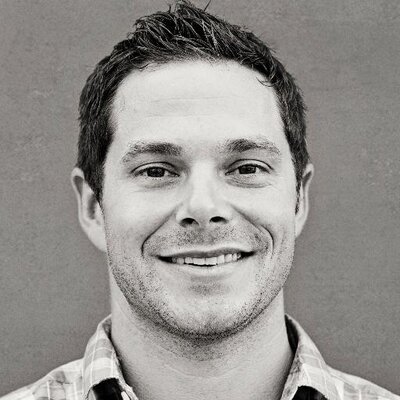
    Brian Zuercher leads Strategic Partnerships for ICX Media. He has spent the last 15 years building technology companies. Brian joined ICX Media through the acquisition of his last company SEEN Digital Media — a pioneer in the influencer marketing industry. Prior to founding SEEN, Brian founded and led Clearwish a social ecommerce technology used by national retailers to encourage consumers to make cross-channel purchases. Brian has an extensive background in product development, technology commercialization, and venture finance.

    Brian is active in the Columbus and national entrepreneurial ecosystems. He has led several grass root organizations and events like Columbus Startup Week and WakeUp StartUp, the monthly morning pitch event for entrepreneurs.

    Brian holds a BS in Marketing from Butler University and an MBA in Technology Commercialization from Rensselaer Polytechnic Institute. When he’s not hopping a plane to visit potential ICX Media partners, he is training for ultra-marathons and trail runs, making an enviable breakfast, or arguing with his 14-year-old Jack Russell terrier, Scarlet.

  • Storytelling: No one said it would be easy…

    Storytelling: No one said it would be easy…

    Anyone can tell a story, right? After-all, we are all born storytellers. From the moment children can comprehend words, we read them books, sit them in front of a screen to watch TV and films, we hand them tablets to swipe through games and videos, and soon, we’ll even give them goggles to immerse themselves into a virtual setting, living directly inside the narrative. As these kids grow, they begin to tell their own tales.

    With all this exposure to content, you’d think we would all be great storytellers. But, as I am rediscovering, good storytelling is hard. Really hard. By good storytelling, I mean crafting a storyline and producing it in a way that your intended audience will actually consume the entire piece of work, and once they have, determine that it was so worthy of their time they want to share it with others. That’s the test of good storytelling, and achieving that is rarely easy.

    Case in point; at this year’s Sundance Film Festival, we interviewed 23 people that had participated at the Digital Storytelling event. We talked to filmmakers, documentarians, brand marketers, ad agencies, creators, and influencers. Our mission was to tell the story about the eroding efficiency of interruptive advertising, and the resulting need for brands to create content that passes the value test described above. With 13 hours of interview footage on hand, we realized the large task at hand. Crafting a story from all of the meaningful insights and inspiring case studies from these bright minds doesn’t happen over night. And, weaving these stories together in a way that will capture minds and warm hearts isn’t necessarily something that can be taught. Storytellers that do this well, are infused with the ability to reach their audiences deeply, and engage them to that next level. We met a lot of these creative minds back in January. Two shining examples are Marriott’s David Beebe. and documentary filmmaker Morgan Spurlock.

    David Beebe is VP Global Creative + Content Marketing for Marriott International, where his mission is to run Marriott’s internal studio and become the worlds largest provider of travel-related content.

    Morgan Spurlock is an award-winning documentarian whose career hit the fast-track with his 2004 submission to the Sundance Film Festival, “Super Size Me”.

    Since then, he and producing-partner Jeremy Chilnick, co-founded Warrior Poets, a New York-based production company responsible for an array of documentaries, television and digital series, and feature films (CNN’s “Morgan Spurlock Inside Man”, and the 2011 film, “The Greatest Movie Ever Sold”).

    Watch for weekly news updates from Brand Storytelling in your inbox, and share this with other storytellers in your network.

    Of course, if you’d like to contribute to the story, I’d love to hear from you. Email me: Rick@BrandStorytelling.tv

  • Mondelez International Jumps on the Content Wagon

    Mondelez International Jumps on the Content Wagon

    Just two weeks ago, it was Pepsi making headlines with the opening of their Creators League content studio, in New York. “Our goal is to really behave like a Hollywood studio,” said Brad Jakeman, President of PepsiCo’s global beverage group. “The holy grail for me is to leverage the incredible power of our brands and their equities to essentially fund their own marketing,”

    This week, it is Mondelez International joining the ranks of advertiser-turned-media company. The lines of media demarcation are beginning to look like red-clay marked lines in the 5th set of a match at the French Open.

    I met Laura Henderson, Global Head of Content & Media Monetization for Mondelez, while she was attending Brand Storytelling at Sundance Film Festival 2016 this past January. In preparing for our interview with her, I asked about the “media monetization” in her title. The answer was simple, “we intend to create content good enough to make money.”

    This week, Laura and the team at Mondelez are lifting the veil a bit to reveal the strategy behind their thinking. “We’re shifting from a media buyer to more of a content producer and investor.” And here’s why; “The audience is in the driver’s seat; choosing when, how, and where to watch content. They can skip ads, block ads, and avoid ads in their entirety. Advertising is no longer an assumed part of the content consumption equation. It’s wreaking havoc on the economics of the industry.” Says Ms. Henderson.

    Besides Pepsico and Mondelez, add Marriott to the list of advertisers intent on creating content that does more than sell soda pop, cookies and hotel rooms. Just watch this video with David Beebe, VP Global Creative and Content for Marriott:

    Brands everywhere will be watching how these plans unfold in the coming months and years. If paid media, aka “interruptive” is an increasingly expensive and ineffective means to persuade consumers to buy your stuff, then will shifting part of those media budgets pay bigger dividends? Mondelez advertising spend was $1.5 billion in 2015, according to their annual report.

    There are many questions to be asked and the answers won’t be revealed until sometime in the future. One thing for sure, the world’s largest advertisers realize that business as usual is not going to produce the same results. We will see more and more brands investing in content creation and distribution schemes in an effort to maintain and strengthen their market rankings and sales.

    Coming Next Week! Episode 1 – Brand Storytelling

    There is a big story unfolding and we will do our best to bring it to you. Last week, we released the trailer for Brand Storytelling: A Docu-Series. Next week, we will publish the first of five volumes, which will live on the BrandStorytelling.tv YouTube Channel. These [20-30 min] volumes feature interviews with marketers, agencies, filmmakers, media companies, influencers, and more. Set some time aside, tune in with your team, discuss amongst yourselves, and enjoy. These shows should be discussion starters for agencies and brands intent on making a successful transition from interruptive advertising to creating content that delivers value first.

    So Subscribe to our YouTube Channel, and keep up with the latest videos and posts!

    Mondelez Makes Moves to Look More Like a Media Company

    Mondelez Dives Into Content Creation in New Media Approach

    Mondelez to create more apps, online videos in advertising shift

    Stride Gum Presents Heaven Sent: A Mad Intense Jump

    Watch for weekly news updates from Brand Storytelling in your inbox, and share this with other storytellers in your network.

    Of course, if you’d like to contribute to the story, I’d love to hear from you. Email me: Rick@BrandStorytelling.tv

  • Getting Passionate with Strangers Using Storytelling

    Getting Passionate with Strangers Using Storytelling

    Generally, we think of it as rude to talk about ourselves too much in public.

    We fear we’ll over disclose. We’ll be boring. We’ll inspire awkward silences. Or worse, we’ll come off as self-absorbed and uncurious. Which is just the worst.

    As collaborators, we are always looking for new ideas, exiting opportunities and smart strategies. Our successes are based on meeting people and sharing enough about ourselves to inspire curiosity and learning enough about them to be able to imagine partnering.

    Storytelling can help.

    The secret is talking about your passion. Great stories hinge on powerful obsessions, high drama, and devotion to a person or cause. And you can bring this into your small-talk life, even on a relatively uneventful Tuesday.

    Here’s how it works:

    Step 1:

    When we meet people, it’s important to help them understand what we do as a verb, not as a job title or a category of work. We are often embarrassed to admit that we don’t know what a person does when they give us their title. We don’t want to seem unsophisticated, so this can keep us from asking deeper questions.

    Instead, we do our new conversation partners a favor when we explain a bit about what we do: “I made videos that focus on telling socially sharable, inspirational stories about interspecies animal friendships like dogs and dolphins or turtles and kittens,” is more revealing than “I’m a documentarian.”

    But the real magic is in…

    Step 2:

    If we start the next sentence with the words: “I’m passionate about it because…” we can make our listener perk up, lean in and become instantly curious.

    By explaining our passion for our work, we add excitement to the conversation. We are desperate to learn about what other people’s interests. We can’t get enough of people’s fire, their zeal, their verve.

    Life is terrifyingly short. None of us need to spend one more minute talking about the weather!

    And, once we talk about our passions, it invites our conversation partner to talk about his or her own. This is conversational magic. Because once we know a person’s passions, we can set the scene for much deeper collaboration.

    Big Insight in Step 2:

    When identifying our passion in front of a stranger seems daunting, it helps to ask: “What value does my work let me live out?” OR “How does my work enable me to bring the world into greater alignment with how I think it should be?”

    Most of us are passionate about our work because it lets us change the world in some key way, or it lets us live according to our most deeply held beliefs.

    For example: “I’m really passionate about interspecies friendships because I grew up in a house in which my family’s giraffe, wallaby and labradoodle were raised alongside me as siblings. It was really affirming.”

    Well, that makes for pretty compelling small talk.

    Step 3:

    We can wrap up strongly by making our passions relevant to our listener by explaining how our work benefits them. This often takes a little guesswork, and maybe a little generalizing. But it always works. Just don’t put too fine a line on it. People will appreciate the gesture.

    “When I’m good at my job, I can brighten people’s days, and maybe make them reconsider the roles animals play in their lives.”

    Using these tips, you can spark curiosity, talk about passion and set the stage for powerful collaboration – all in under a minute.


    About Megan Finnerty

    Megan is a journalist and storytelling consultant. Essentially, she’s a professional listener, who likes to talk. It’s complicated. She’s the director of the Storytellers Brand Studio, which curates and hosts live storytelling events for brands and nonprofits. And she’s the founder and director of the Storytellers Project, a nationwide series of live storytelling events from the USA TODAY Network. She’s coached thousands of people to share true, first-person stories. She graduated from Purdue University, and was a news features reporter at The Arizona Republic for 14 years. She feels strongly about feminism, cocktails, and NPR, and prefers a bold lip to a smoky eye.

  • Meet the Advisors: Gabe Gordon of Reach Agency

    Meet the Advisors: Gabe Gordon of Reach Agency

    Gabe Gordon, co-founder and managing partner of Reach Agency, has 15 years of global experience in content marketing building creative, integrated solutions for world-class brands such as General Motors, The NFL, Nestle, Walmart and PepsiCo. Of late, Reach is further cementing itself as a leading name in social and new media, having recently been named the lead agency for Nestle’s Butterfinger and Crunch candies, as well as adding new power players to their team. Brand Storytelling caught up with Gordon to talk about the agency’s agility, the key to developing integrated marketing for the social generation, and why he keeps coming back to Brand Storytelling at Sundance.

    It was recently announced that you are working with Nestle Crunch and Butterfinger. In a recent article, one of the key differences cited about Reach was that the agency is “agile and collaborative” – what does that mean to you and to the agency?

    Reach was founded 6 years ago as a YouTube Agency. None of us had worked at another agency before, so we created an agency operating model that we thought would work best in this new media environment. The traditional agency model we saw in other agencies had layers of complexity and process that were unnecessary for social. While we adopted some elements of the legacy agency model with growth, overall our agency model has fundamental differences, not only in how we operate, but how we engage with clients. Because of this we can be more agile, collaborative and efficient than many other agencies.

    Reach lives to engage brands with a social generation. What would you say is the most important thing you do as an agency to make engaging brands with a social generation possible?

    As an agency, the most important thing we can do to help our clients engage with new generations is gain their trust. Social generations from Millennials to GenZ are constantly evolving, which means as an agency we have to help our clients constantly evolve communications strategy, creative and tactics to engage with those consumers. The reality is that to do this well, you can’t always wait for someone else to generate a best practice, you have to build a system to develop proven, scalable tactics quickly and with a responsible investment. To do that you need to earn the trust of your client to empower you to take the right risks, fail and learn.

    While this may be your first year as an advisor to Brand Storytelling at Sundance, it will be your third year attending. why do you keep coming back? What do you get out of it?

    I go to a lot of conferences and there isn’t anywhere else you can really engage with top level brands, publishers and agencies in such an intimate setting. For me this event is about relationship building with industry leaders learning through conversation, not presentation.

    Why do you think it’s important for advertisers to be in the proximity of the Sundance film festival and participate in a sanctioned Sundance event like Brand Storytelling?

    The mission of the Sundance Film Festival is to advance the work of independent storytellers in film. For over 30 years it has been the forum for independent filmmakers to showcase their work and make a name for themselves. As brands are entering into the world of storytelling and changing how we engage with consumers, there couldn’t be a better place to advance the business of brand storytelling and showcase our work.

    What are you hoping to see from our incredible presenters at this year’s event?

    Great stories of course! I am looking forward to hearing how media is evolving the influencer landscape, how brands and publishers are winning with new content distribution models and getting an inside look at the recent brand success stories.

    You can hear more from Gabe Gordon and the rest of our advisory board in January during Brand Storytelling at Sundance Film Festival 2018. Please visit our website for more information on how you can attend this one-of-a-kind event.

    Watch for weekly news updates from Brand Storytelling in your inbox by subscribing, and share this with other storytellers in your network.

    Of course, if you’d like to contribute to the story, We’d love to hear from you. Email us!
  • Brand Storytelling: 5 Favorites at Cannes Lions

    Brand Storytelling: 5 Favorites at Cannes Lions

    Cannes Lions is nearly here, and Brand Storytelling is looking back at five of our favorite pieces of branded content that are up for lions next week.

    Donate Life – “The World’s Biggest Asshole”
    The Martin Agency, Richmond, Va.
    Coleman Sweeney (played by Thomas Jane) is the world’s biggest asshole in this short film for Donate Life. Directed by Will Speck and Josh Gordon (Blades of Glory, The Switch, Office Christmas Party), the short cleverly and convincingly encourages organ donation by showing us that even the world’s biggest asshole can redeem himself in death by donating organs to those in need.


    Kenzo – “My Mutant Brain”
    Framework, London
    If the idea behind moving away from interruptive ads into artful and entertaining displays is for the brand to get out of the way and simply let the audience be entertained, then this ad may be the best example of that all year. It’s a joy to watch Margaret Qualley lose control (and gain supernatural powers?) in this frenetic and captivating display for Kenzo directed by Spike Jonze.


    Boost Mobile – “Boost Your Voice”
    180LA, Los Angeles
    There’s nothing overly flashy, gimmicky, or attention-grabbing about the “Boost Your Voice” campaign, and that’s exactly why we like it. 180LA and Boost Mobile chose to focus their efforts on simultaneously affecting real change and creating a spot-on interactive branded campaign by turning Boost Mobile stores in low-income, impacted voting areas into polling places on election day.


    Sony PlayStation – “Gravity Cat”
    Hakuhodo, Tokyo

    The fun and effervescent short film “Gravity Cat” advertising PS4’s Gravity Rush 2 was one of the first great shareable videos of 2017. In it, a pair of sisters struggle to hold on to their pet cat, who seems to have recently gained the ability to alter gravity. If anything, this ad proves that a great idea, the implementation of some serious filmmaking techniques, and an adorable cat are a recipe for success.


    The Brady Campaign – “Zero Minutes of Fame”
    Ogilvy and Mather, Chicago
    Another example of an interactive campaign creating genuine social change, “Zero Minutes of Fame” allowed users to download a google plugin that removes killers’ names and likeness from online searches. The impact of the message that murderers are not entitled to the consolation prize of infamy was felt all the way in the newsroom, as networks actually shied away from plastering killers’ pictures on their programming in the wake of the overwhelming response to the Ogilvy and Mather campaign.


    Watch for weekly news updates from Brand Storytelling in your inbox, and share this with other storytellers in your network.

    Of course, if you’d like to contribute to the story, We’d love to hear from you. Email us!