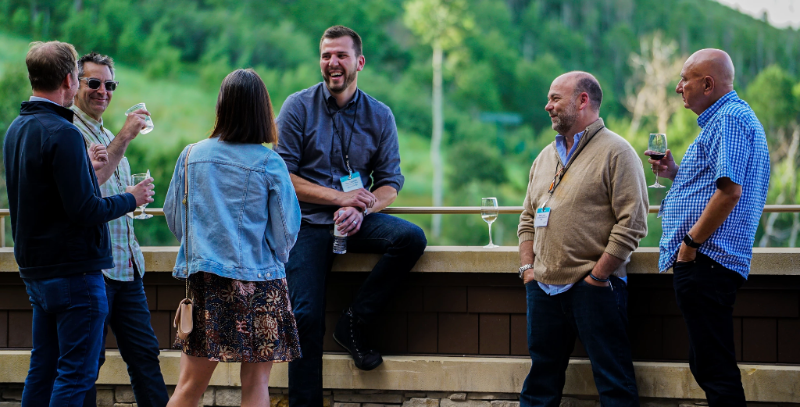
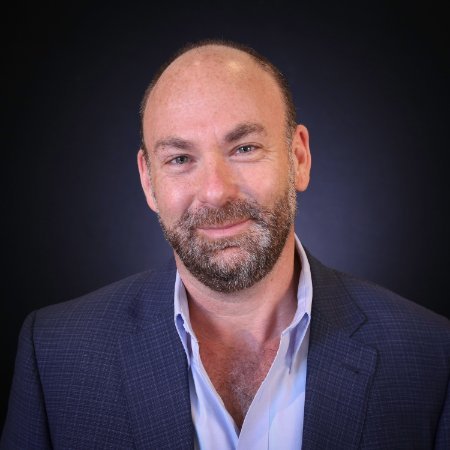
Last June, CNN announced the launch of Courageous, their in-house branded content studio designed to leverage the storytelling skills and distribution capabilities of CNN and HLN news brands. Otto Bell, previously Creative Director for Ogilvy Entertainment was pegged to run the studio, reporting to Michal Shapira, Senior Vice President and Head of Integrated Marketing for CNN. We caught up with Otto and Michal at the CNN Lounge at Sundance back in January, and they shared their thoughts on how Courageous will support brands seeking to engage audiences with great content, versus interruptive messages. Check out the interviews with Otto and Michal here.
CNN is certainly not alone when it comes to media companies launching branded content efforts to help advertisers who are increasingly seeking alternatives to the 30 second spot, pre-roll, post-roll, interstitials, and other interruptive ad units. Afterall, who better to help brands imagine, find, and produce content that will resonate with target audiences than media companies? I mean…like, that is their business! They are trained storytellers, journalists, and producers of compelling content. It all begs the question, now more than ever; who does what in this media world of blurred lines? Whereas agencies once were the crafters of brand messaging and creators of content, advertisers are realizing that when it comes to branded content, media companies may be the best solution. At least some of the time…
Case in point; Saturday Night Live just announced that it would cut back on commercial time by 30% while offering advertisers the opportunity to partner with “SNL” to create original branded content.
And, as reported by ADWEEK, “The company has launched The NBCU Content Studio. It will develop and produce content for advertising clients utilizing NBCU’s creative talent, data, distribution, and scale (including its partners BuzzFeed, Vox, and AOL)”
This trend of media companies partnering with advertisers to create content that is not advertising, is only going to gain speed and further blur the generations-old roles of agency-client- media company.
Here are more examples of some notable brand content studios:
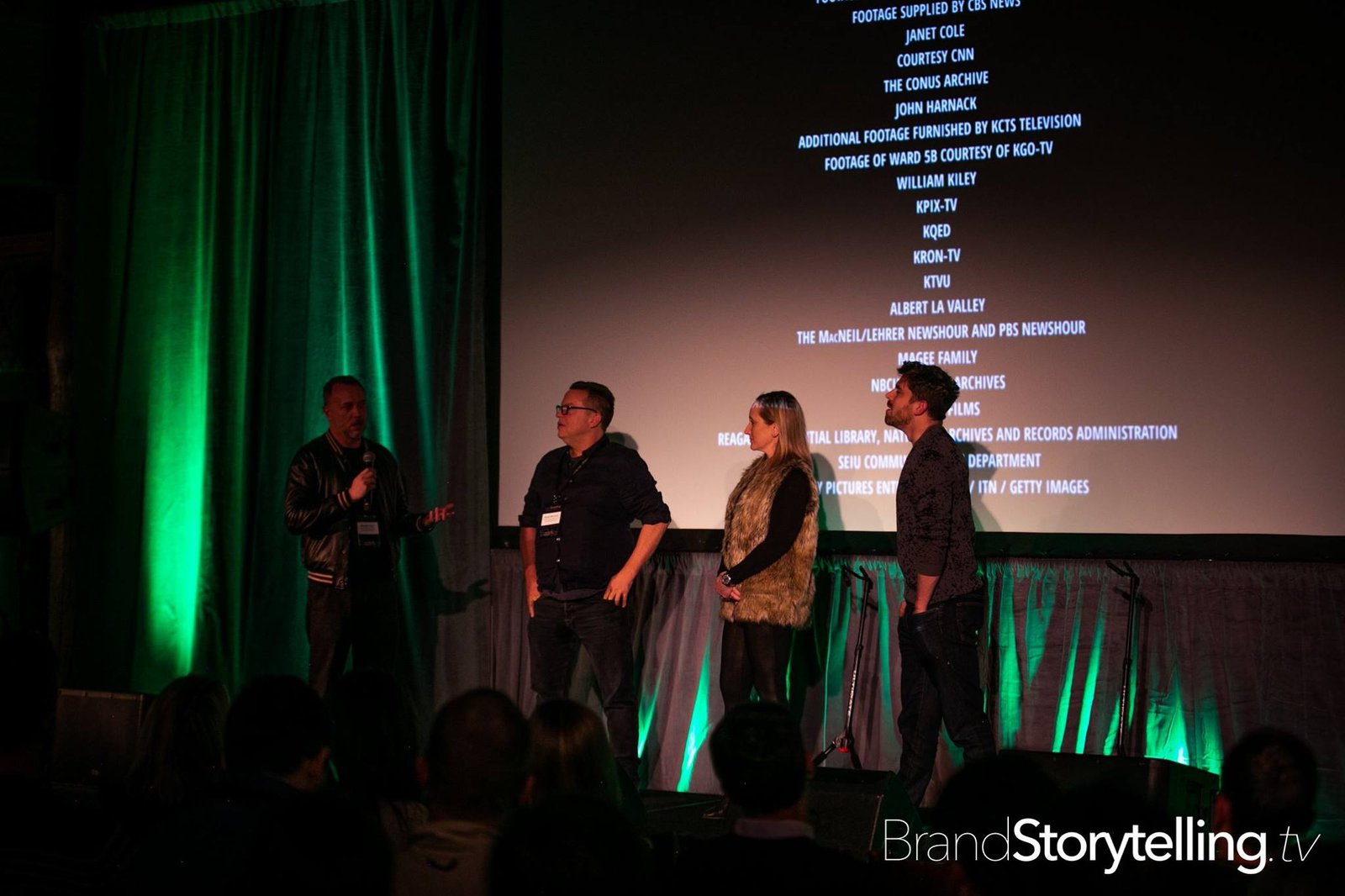
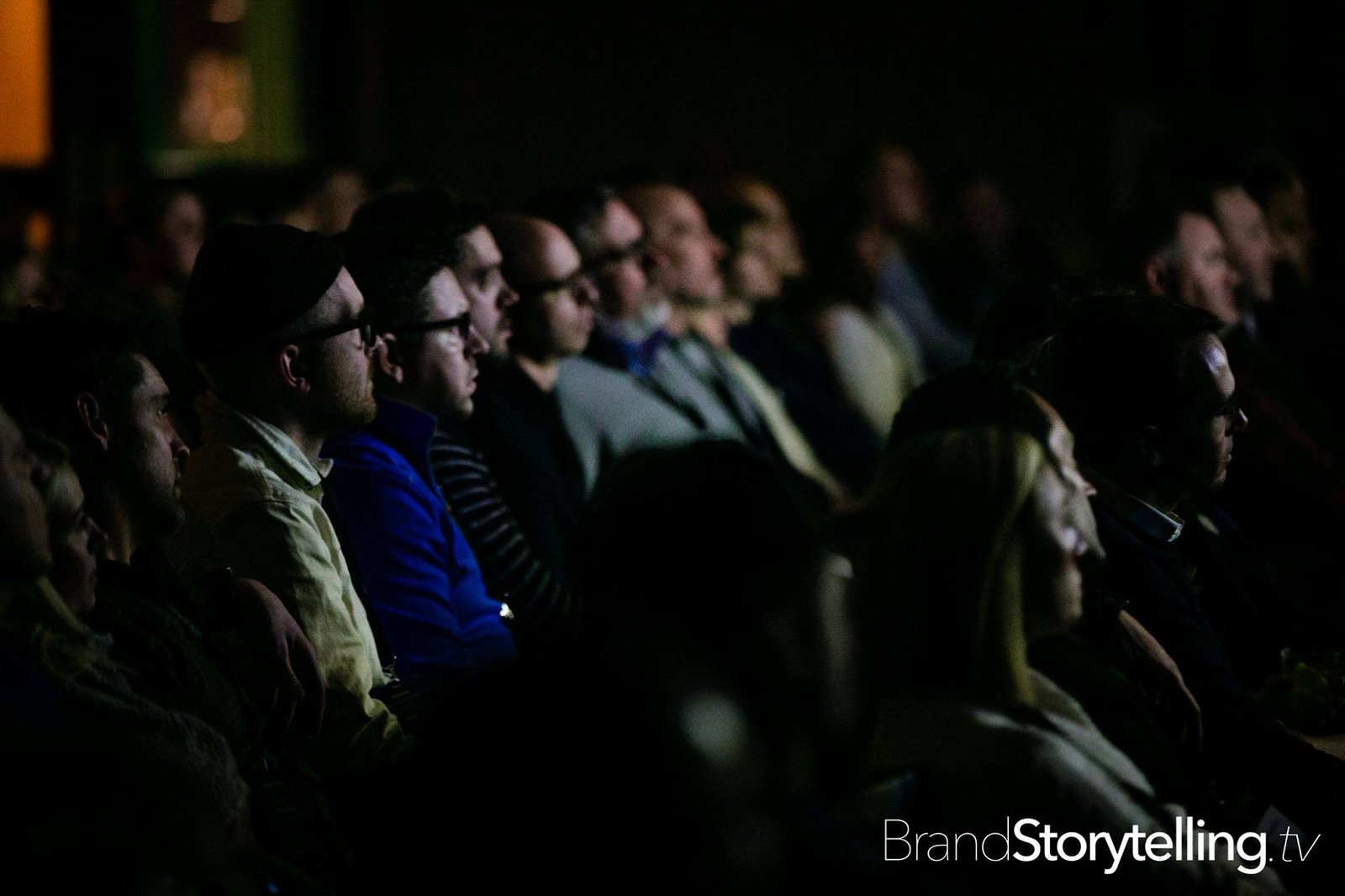
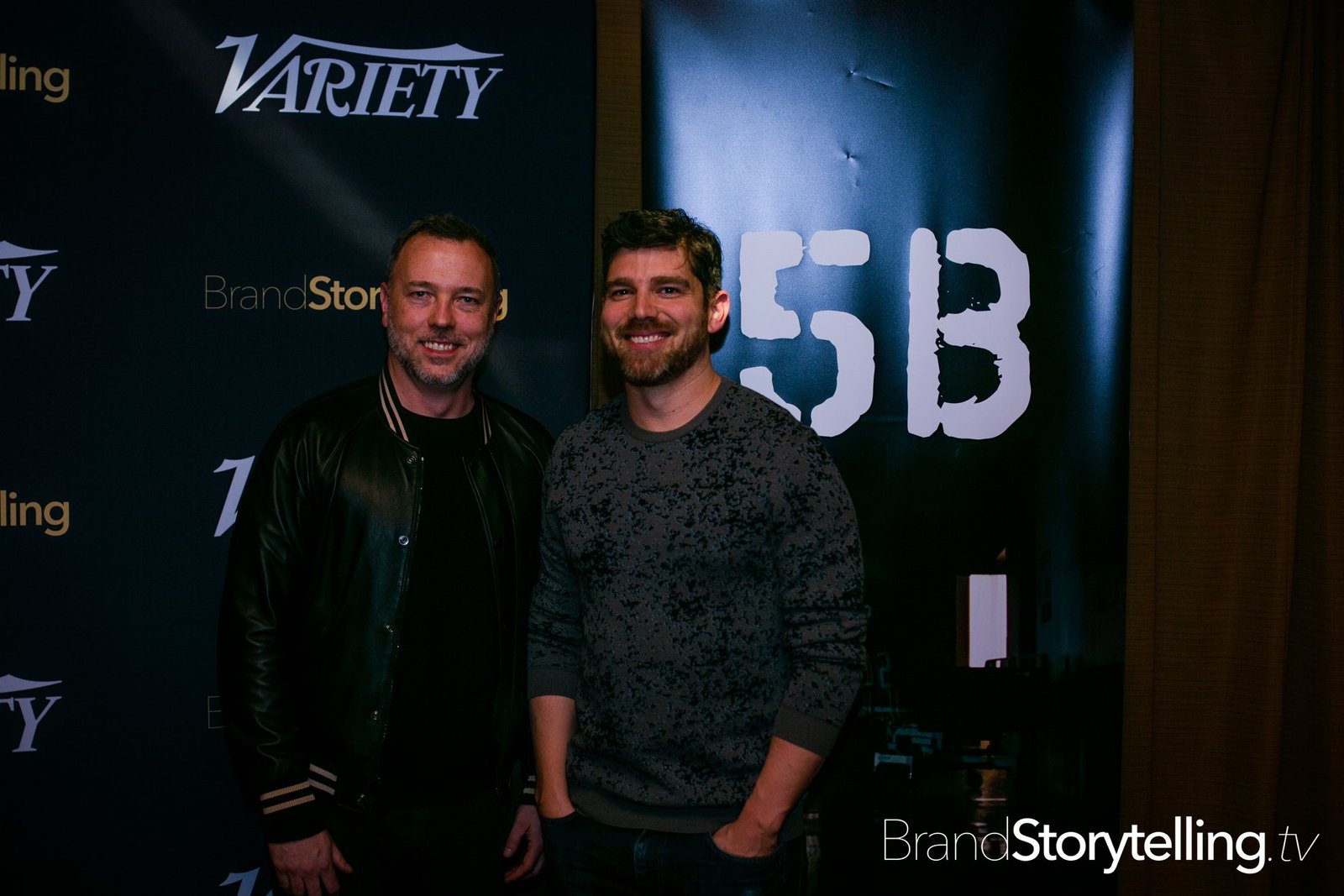
We were fortunate to screen 5B during Brand Storytelling at Sundance Film Festival this past January. I had been briefed about the film from both Brendan and Rupert and I knew it would be an emotion-driven story directed by top Hollywood talent. The film screened at 8pm on the closing night of Brand Storytelling in the Silver Lake Lodge on Deer Valley mountain. The room was full of brands, agencies, media and production partners. I was unsure how settled this audience might be during the closing night of a mega-networking event. I was hoping that the chatter would stop and people would focus on the film and the story. And did they ever! After the first 90 seconds, the room fell completely silent. When credits rolled ninety-four minutes later the audience still sat in a sort of stunned silence as we continued to absorb the impact of this heart-wrenching story. Respectful applause began softly and then more emphatically as we rose to our feet, many, myself included, wiping away tears.
5B is a story that needed telling and J&J, to their credit, put the funding behind the project that brought it to life. This film is the first brand-funded film to be accepted into the Cannes Film Festival, which in the scheme of things, you might consider a greater honor than the Entertainment Lions Grand Prix. I’m wondering today how many brands are taking note of this accomplishment by J&J and considering funding of a feature film or series? This will be a topic at Elevate, July 28-31 as we reveal the results of a 500+ brand marketer survey seeking insight to the questions related to brand investment and participation in entertainment projects. I’m hoping we see more of this sort of bold brand move to discover and tell stories with impact. Seems like the right thing at the right time.
Your thoughts?
About Rick Parkhill
Rick Parkhill is a B2B media entrepreneur, founder of InfoText, Digitrends, iMedia and BrandStorytelling. A media junkie and observer, infatuated with the impact of media and technology on culture and society. Producer of over 100 advertising and media events, publisher, and journalist.
“We use our own social media platforms and channels like one giant creative incubator: a place to experiment with everything from new talent to new formats to new platforms. This learning deeply informs our development and helps us stay ahead of the ever-shifting media landscape”
Check our latest Spotlight, featuring the team at Astronauts Wanted!
At the 2016 Sundance Film Festival, we hosted one-hundred and sixty people, all with a focus on creating and distributing great brand stories. Brands like Mondelez, Dr. Pepper, Hyundia, Pepsi, HBO, Dick’s Sporting Goods (have you seen the stories they are telling?), Netflix, and Marriott. Along with agency partners, filmmakers, and media companies, all people redefining the roles of media and marketing. We seized the opportunity to talk to a couple dozen of these brand storytellers, and their agents, and the result was over 13 hours of video content. Brands, agencies, influencers, filmmakers, all sharing their views on the future of branded content and advertising. It’s a whole lot of GREAT stuff that anyone in advertising and media will want to watch.
Today, we are publishing the first of five episodes. The duration of each of these “shows” is about 30 minutes. Not exactly “snackable.” These are shows that are intended for marketing teams, agencies, and media partners to watch together and (hopefully) discuss and apply to their own situation and storytelling strategy.
As interruptive advertising is increasingly turned off, brands are turning on to creating content with intrinsic value. There is a big story unfolding in the world of media, marketing and advertising. Many feel it is the beginning of a new era that will be enabled by technology but led by creativity. It’s an exciting time and we are happy to be playing our role in this unfolding story. I hope you will watch and let us know how you valued the show.
Pictured: Shane Maidy (Polymath), Todd Barrish (Polymath) and Andrew Serby (Zefr)
Todd Barrish is an industry leader working broadly within the advertising/content space for nearly 20 years. Currently the Co-Founder and Managing Partner of Polymath Group, a content-centric consultancy, Todd previously served as EVP, Creative Partnerships at Endemol Shine Beyond, spearheading the development and sales of digital formats. Prior to Endemol, Barrish served as SVP, Global Strategic Partnerships at Maker Studios, where he led the team that launched the company’s programmatic native content technology solution. Before Maker, Barrish was VP, Sales for Digital Broadcasting Group and the Rich Media Team Lead for Google/Doubleclick.
As Chair of the Brand Storytelling Advisory Board, Todd is leading the content development and agenda for Elevate, the annual summer retreat for brand storytellers and their partners. We connected with Todd to get the ins and outs of what to expect at Elevate:
Can you give our readers a brief background on Elevate, how it came to be and the mission that drives this event?
Of course! Elevate was the direct output of conversations started at Brand Storytelling at Sundance in 2016. The idea was to mobilize the Brand Storytelling community to dig deeper into the mechanics and greater purpose of brand funded content initiatives. That mission, to “elevate” the business of brand storytelling through working sessions with thought-leaders and trail blazers, is what truly sets this event apart.
What did you discover from the 2017 event that is guiding the content development and agenda for 2018?
The biggest takeaway is that the definition of Brand Storytelling is ever evolving. We are no longer simply talking about short form video series, influencers, etc… but, rather, the expanding universe of mediums from streaming/OTT to Podcasts to Cable to Social and beyond. With the widening of the definition, the conversations around format specific production, distribution and measurement have never been more necessary in driving the growth and maturation of the industry.
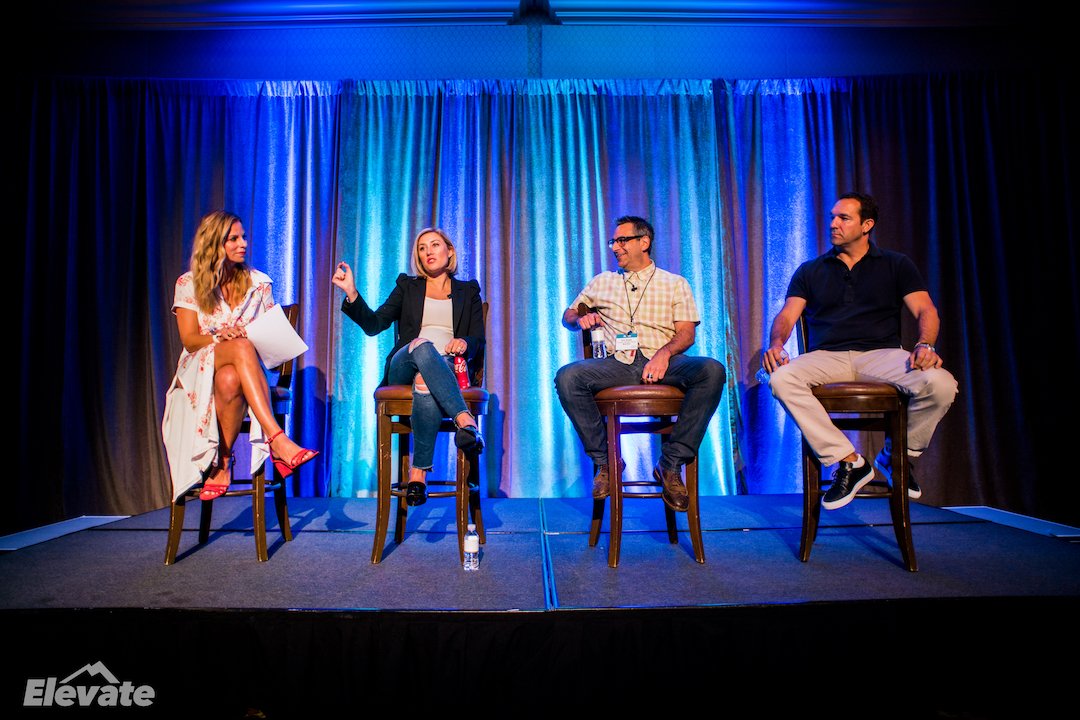
Presenters take the stage for ‘Trail 1 – Setting the Scene’
Pictured: Shannon Pruitt (The Story Lab), Kate Santore (Coca-Cola), Eric Korsh and Chip Russo (Zefr)
Can you describe the “Trails” that have been created for Elevate 2018 and the process the advisors went through to establish them?
As with everything with Brand Storytelling, the content is truly the result of the advisory board’s expert guidance and stewardship. For 2018, we are going to focus the conversation on the consumer experience, how brands and agencies choose to create and support projects and tactical discussions around distribution points and measurement. We’ll be taking attendees on a journey from the inception of a content strategy through the post campaign measurement. The event will kick-off with a brand panel focused on consumer experience planning, and from there we’ll dive into the trails starting with INVEST – which will explore how marketers and agency partners decide which formats, mediums and content initiatives they put their money behind, SUPPORT – in which we’ll dig into the question of buy, build or borrow, DISTRIBUTE – in which we’ll explore how you ensure your content has the right scale and is reaching your target audience, and, finally, MEASURE – where we’ll look for the common denominator in measuring content efficacy.
What sort of outcomes do you expect from the discussions?
Our hope with this retreat is that all in attendance come prepared with questions and insights on relevant topics, with the ultimate goal of helping the industry move toward more standardization in the business of content creation, distribution and measurement. Last year we had lively and constructive conversations on each trail, and we hope the content this year spurs even more dialogue and action.
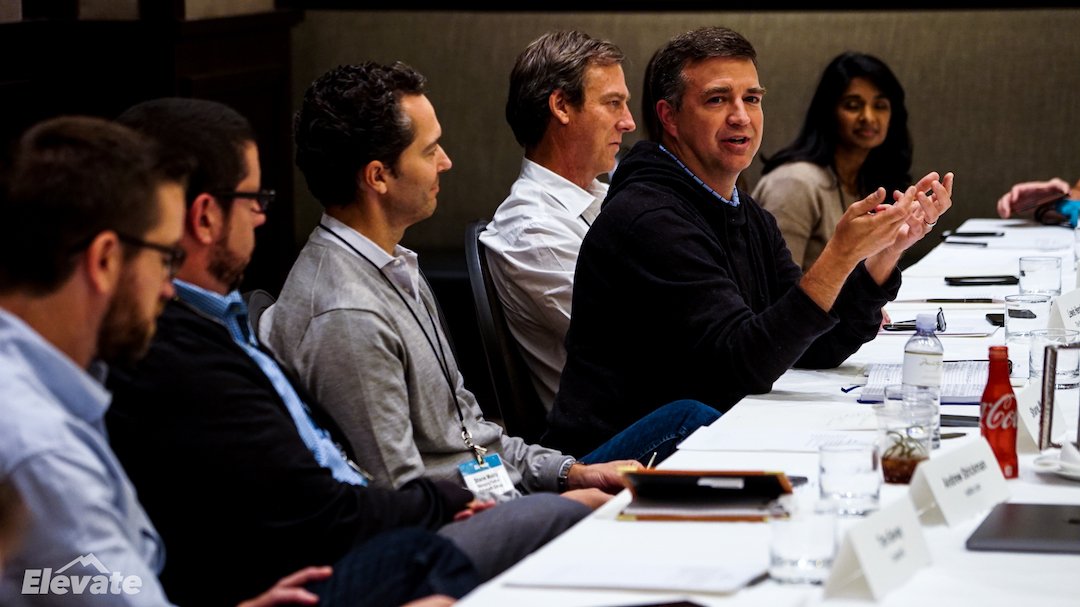
Kevin Brown (SVP, CMO at Sleep Number) has the floor as attendees discuss and unpack the day’s panel presentations.
How are partners involved in the content planning?
It can’t be stated enough – this is a participatory event in which we look to build a community of thought-leadership in all facets of brand storytelling. That includes content input from not only the advisory board, but partners as well. There is no industry without the distributors, measurement partners, media co’s, creatives and technology platforms.
Besides the planned presentations and working groups, how much deal making and networking time is being planned?
Outside of the content, it’s really the network of peers that makes this event so valuable. We’ll be planning a careful cadence of programming and networking time so that we can allow connections time to develop and flourish. Additionally, the Brand Storytelling team will be organizing a number of group activities to foster new connection and build lasting bonds – old and new.
How many of the advisors will be participating at Elevate this year?
This year we have participation from 21 advisors across the agency and brand spectrum… and miraculously we’ve had luck in making conference calls work on a consistent basis (hope I didn’t just jinx things!).
—
Watch for weekly news updates from Brand Storytelling in your inbox by subscribing, and share this with other storytellers in your network.
Of course, if you’d like to contribute to the story, We’d love to hear from you. Email us!
Live on Zoom – Wednesday, April 29th at 12:00PM PST
The craft of journalism is traditionally rooted in the relentless pursuit of the truth. Good journalists seek that truth, fight for it and often must challenge even the highest authority when they have sound reason to believe they are being led astray. Now, more than ever, the skills of journalists are being put to use by brands who want, not necessarily their truth-seeking prowess, but instead the emotional honesty in their storytelling approach. It is that emotional honesty and rawness that builds loyal and lasting connections with consumers- all without the loud clanking of a clumsy call to action. Storytelling…not storyselling.
But what’s the best way to make it happen smoothly and effectively inside organizations seemingly hellbent on the sell…the bottom-line buck, with their logo front and center? Let’s talk about it on Wednesday, April 29th @ 3pEST: Join our live streaming event, “The True Story of Brands Telling True Stories”. Hear from four journalists finding success, making an impact and helping brands foster the priceless connections they dream about. We’ll tackle the varying definitions of brand journalism from one company to the next and the fact that some form of standardized measurement of success is not only realistic, but unequivocally required. By sharing their paths from journalism to corporate America, the panelists will offer ideas on where a journalist should best fit inside an organization and how their ethics can be relied upon for a balance between “the sell” and the story. It might just be that even during this current pandemic, when people are most certainly not interested in being sold, they are beginning to put their trust in brands more than the media. The onus for responsible, honest brand storytelling could be greater now than ever. Who better to take on that responsibility than journalists?
Defining Brand Journalism: The difference of this definition between organizations and industries is vast. Should we all be talking about the same thing before tackling some mode of standardization for metrics?
How, when and where does a journalist best fit within an organization? Corp. Comms., Marketing or a separate separate editorial vertical? What is the best approach for collaborating with existing marketing teams who may need educating on the value of journalistic ethics in their storytelling?
We tell marketers they are all storytellers and we admire companies who are acting like media companies, but are they all journalists? Does it matter?
We have seen recents studies that show brands are beginning to earn the public trust more than news outlets. Could this have long term benefits or an increased onus of responsibility for brands that could signal a need for more trained journalists on teams?
Hosted by
Heidi Collins
CEO/Co-Owner Thomas & Edwards Group
Heidi Collins spent the majority of her 23 years on air as a news anchor & correspondent at CNN. Her truth-seeking DNA and obsession with the craft of storytelling eventually led her on a new path. She was recruited by the CEO of Life Time, Inc. and created the Editorial Media Division. 55 brand short films later, she and her team of news photojournalist/editors now comprise Thomas & Edwards Group. The team works with several clients, primarily in the health & wellness space, to make lasting, emotional connections with their customers.
Featuring
Robin Bennefield
Editorial Director, Marriott Creative and Content Marketing
Robin Bennefield is Editorial Director of Marriott Creative and Content Marketing, leading editorial storytelling and content strategy across Marriott Bonvoy brands. She also serves as Editor-in-Chief of Marriott Bonvoy Traveler, Marriott’s online magazine telling good travel stories that inspire exploration of the world’s greatest destinations. Bennefield comes to this role with 25 years of experience as a journalist and digital media producer, encompassing work as a reporter for U.S. News & World Report, travel writer and expert for TravelChannel.com, as well as executive producer and editorial director of several Discovery web sites, including Discovery.com, TLC.com and AnimalPlanet.com. https://traveler.marriott.com/
Megan Wells
Award Winning Director, Filmmaker & Content Creator
Megan Wells is a multi-award winning branded content creator and commercial, film and documentary director. She has spent more than 20 years working with major international broadcast, commercial and sports clients including Under Armour, Red Bull, Fox Sports, Google, Acura, NBA, MLB, NASCAR, PGA and NASCAR, Dove Beauty, Delta Air Lines, Sprite, Comcast, Gatorade, the Olympics and Chick-Fil-A.
She was formerly a Director and Executive Producer for Red Bull’s non-live/ long format productions group, as well as the the former Executive Producer and Director of Under Armour’s content house, and is the creator behind the “Under Armour Originals” entertainment franchise. In addition to her commercial and branded content work, she has created and directed six multi-episodic documentary series.
Angela Matusik
Head of Corporate Brand, Content & Creative HP
Angela Matusik is a digital content marketing executive who has developed, launched and re-invented brands, franchises, videos and digital products for over two decades. She spent much of career leading creative teams at media brands, including InStyle, People and NBC’s iVillage. She joined HP in September 2017.
Zefr, the video advertising and digital rights management platform, sets itself apart by taking a unique approach to data-driven audience selection. We chatted with Andrew Serby, Director of Marketing at Zefr, about “Mindset Marketing”, brand safety, and the importance of reaching the right audience at the right moment.
—
At Zefr, you practice the art/science of Mindset Marketing. What is that?
Basically, the concept of Mindset Marketing came from applying the relevance of search – being useful for consumers when they are actively seeking out information – to the power of video. Combining the two, and reaching consumers with video ads at the precise moment they’re most interested in hearing from your brand, is something we’re focused on.
What is the importance of finding the right audience at the right moment? Why should brands/advertisers care?
It’s a marketing cliche, but it’s true. When you reach people with relevant ads, at relevant moments, advertising just works better. We measured the impact of aligning contextually relevant ads on YouTube content vs. traditional keyword/channel targeting with the IPG media lab and found it drove a 63% lift in purchase intent, 83% lift in recommendation intent, and a 40% lift in overall favorability. It makes sense – consumers are seeing that an ad experience that’s relevant to their interest is important and enjoyable.
What is the difference between working with a company like yours to pinpoint audience and the DIY Programmatic direct ad buy?
There are significant hurdles with audience targeting on YouTube, as shared devices continue to proliferate around households, and so many users are not logged in. Let’s say a child picks up his dad’s iPad – if you’re an auto brand using audience targeting, your ad is reaching the kid, not your dad – it’s irrelevant, and you’ve missed your audience entirely. That’s we be built technology focused on understanding the context of the content being viewed, and use that technology to help target individual videos – not just audience, keyword, or channel. It’s a much more powerful approach to video advertising.
Brand safety is a highly discussed issue of late. What’s your take on that?
It’s important that brands know where their ads are being placed, and the brand safety news speaks to larger challenges. The ad community has developed such sophisticated ways to find an audience, that the content they’re aligning with sometimes takes a back seat. The brand safety issues were an outcome of that – and brands that are focused on aligning with premium content are reaping benefits.
What does a company like yours do to ensure brand safety?
It’s really important that every brand message is in front of content that makes sense for their brand. That’s why we whitelist – not blacklist – videos that a brand would want to target. It’s not just about brand safety, but brand safety is an important criteria. At Zefr, we make sure every video is relevant to a brand’s objective, it’s brand safe, it’s forecasting views (at least 10,000) and that it can perform against KPIs. If any of those criteria aren’t met – we would never run a brand’s message against the video.
What sort of conversations need to be happening between brands/agency partners seeking data solutions and companies like Zefr?
We see a ton of success with the strategy teams that are looking for insights into what type of content their audiences are watching on YouTube, and those insights are brought to the Activation teams to actually carry out the buys. We’re helping brands actually segment their content strategy, and then activate against that exact strategy, and use the results to inform the next campaign. It’s a virtuous cycle that’s empowered by technology, that’s really just enabling brands to be smarter and more effective than they have before.
—
Watch for weekly news updates from Brand Storytelling in your inbox, and share this with other storytellers in your network.
Of course, if you’d like to contribute to the story, We’d love to hear from you. Email us!
Week by week, Brand Storytelling will be bringing you exclusive insight into each of the Elevate “trails” (our clever name for the panels at our summer event), featuring input from our esteemed trail guides.
This week we’re taking a closer look at the ‘Distribution’ trail with the help of our highly qualified trail guide Brett Lyons, Global Branded Entertainment Programs Lead at Intel. We connected with Brett to discuss the ins and outs of Elevate’s distribution trail:
—
Hey there, Brett. What can you tell us about Elevate’s third trail?
Distribution is the connection point between your content messaging and the audience; how you leverage distribution audience insights in the creative process to ensure engagement and impact as well as reach the right audience. How do you ensure your content has the right scale, and is reaching your target audience? How much media do you buy to support your initiatives vs. relying on organic reach and built-in platform scale (SVOD, AVOD, TVOD)?
What do you anticipate your panel conversation will entail?
We’ll be diving into thinking about the different platforms – how you build marketing initiatives in order to drive traffic, engagement or your specific brand KPIs.
From what angles will the subject of distribution be approached?
Approach will focus on audience insights used for both creative and distribution as well as scale, reach, what media do you buy vs owned and earned, etc
What do you anticipate will carry over from the panels into the group discussions?
Identifying relationships between all of the trails is essential to link to the overall success of a campaign, from leveraging talent’s social channels, investment, creative etc.
What’s the largest takeaway you hope attendees will get from the ‘Distribution’ trail?
Distribution is the key to discovery and engagement. If your storytelling isn’t seen (and by a relevant audience)… it doesn’t exist.
What are you personally looking forward to getting out of Elevate 2018?
I’m looking forward to learning great insights from all of the amazing storytellers. I am consistently impressed seeing all of your work and it inspires me to push the boundaries in brand storytelling.
About Brett Lyons:
Brett Lyons, Global Branded Entertainment Programs Lead at Intel, is a multi-dimensional creative brand partnership executive who develops and executes strategic cross-platform, 360-degree experiences and programming through dynamic storytelling rooted in insights to deepen customer engagement, build brand value and achieve business goals.
—
Watch for weekly news updates from Brand Storytelling in your inbox by subscribing, and share this with other storytellers in your network.
Of course, if you’d like to contribute to the story, We’d love to hear from you. Email us!
Atlantic Re:think is a uniquely positioned entity in the branded content space. Made up of journalists, producers, and analysts, Re:think takes its publication pedigree and leans into it, yielding work that is investigative, educational, and story-driven in nature. BrandStorytelling.tv caught up with Jeremy Elias, Creative Director at Atlantic Re:think, to better understand Re:think’s ethos, work, and future in this burgeoning space.
What is Atlantic Re:think?
Atlantic Re:think is the in-house branded content team for The Atlantic. We’re a group of 35+ strategists, reporters, designers, developers, producers and analysts, who apply the editorial sensibilities of The Atlantic to creative work for brands.
How does the unique makeup of your team benefit the work you do?
When you look across the team, you see people with backgrounds in journalism, advertising, academia, etc, all with their own broad range of interests and passions. That’s evident in the day-to-day work at Re:think, as well as in the team’s personal projects outside of work: a recently released book on American sports culture, a documentary on women-led communities, a published interview with Iran’s most iconic entertainer, or a newsletter on the issues faced by women of color.
Whether sitting in a brainstorm, or sitting in a film edit, those passions and experiences almost always benefit the creative process; they yield smart, authentic, novel, informed ideas. Never has that been more important than today, when brands are looking to have more substantial, socially-focused conversations with audiences.
Our success as a content studio will depend on finding more people with a diverse range of passions and experiences. It’s sort of the antidote to what advertising has been guilty of for so long — promoting a certain conformity around creative thought — looking for folks from a handful of the same ad schools, judging their value on a handful of awards.
You seem to have a firm grasp on the notion that the internet audience is a discerning one… how do you access rather than alienate a generation that approaches brands with such scrutiny?
I don’t think this is a particularly novel view, but audiences approach any form of content asking“What’s in it for me?” Today, the answer to that question has to be more compelling than it’s ever been. With branded content, the answer cannot be “You get to learn about our product.” Brands will fail in that world. The answer has to be “We’re going to entertain you.” or “We’re going to teach you something about an important topic.” or “We’re going to give you a tool that can help you do X”. And in getting there, you need to figure out the role of the brand. Maybe the brand is using their proprietary data, providing access to experts, or maybe they’re using their capital to fund this amazingly important story.
What are some of the other challenges you face when working to meet and exceed the high standard set by the longstanding excellence of The Atlantic?
The first challenge is simple math. There’s more creative work being developed today than at any previous time, and that inevitably means it’s harder to find a unique idea. The second challenge is that The Atlantic’s brand of journalism and creativity is about asking, “How do we challenge the typical approach to this topic or brief?” That often means taking risks, being a bit provocative, deviating from what we’ve always done. That can be a scary proposition for some marketers. The third challenge comes with the reality that Branded Content teams within publications, and the type of creative work we’re developing, is still relatively new. Yet the general relationship between Publisher/Agency/Advertiser hasn’t necessarily evolved. In many instances, we’re still working with 24 hour turnaround times on RFPs, or the creative ideas are being evaluated by the same folks being tasked with analyzing a media plan. As a whole, we all need to help reshape the publisher/agency/advertiser relationship.
Work with brands like HBO, Netflix, and Microsoft suggests that there’s a desire to partner with brands who have strong storytelling roots. How does that play in to the work you do with and for them?
Brands like HBO and Netflix have storytelling at the root of the products that they create. That can make the work better because there’s a shared language or sensibility; lead with story versus lead with sales pitch. But today, almost every brand can point to a larger cultural or societal narrative that transcends their product or service, from Burger King to State Street Capital.
What’s on the horizon for Atlantic Re:think?
It’s about developing increasingly ambitious work while retaining the core tenets of great Atlantic journalism. Four years ago, we were developing branded articles. Since then, we’ve developed a whole slate of really strong video programs, branded events, and campaigns that leverage new technologies like Google Tilt Brush and VR. Next, I see us using our expertise and talents to move beyond the typical branded content relationships: everything from helping companies with product development to producing original programming.
Check out some of Atlantic Re:think’s work
HPE – Moral Code: The Ethics of AI
At a time when some are recklessly celebrating the promises of A.I., HPE and Re:think addressed the most consequential questions surrounding A.I. in a 8-minute documentary.
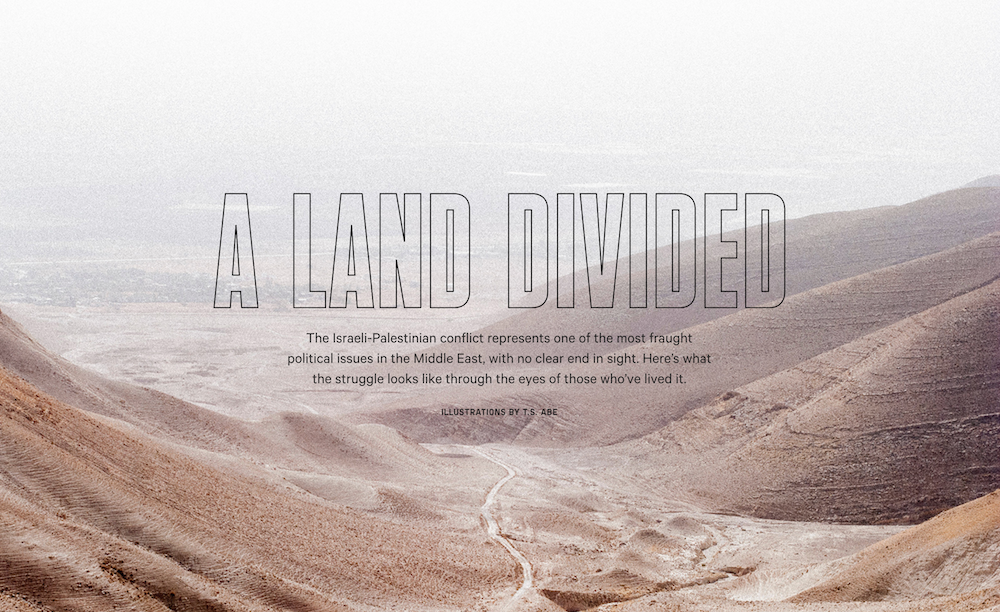
Netflix’s Fauda – A Land Divided
Coinciding with the launch of Fauda-Season 2, we produced an intensely researched and reported feature that takes readers on a historical journey of the Israeli-Palestinian conflict.
Trivago – Honeymoon Sequel
To celebrate the importance of travel in our personal relationships, we brought Hank and Dotty Viola, married over 57-years, back to Miami Beach to recreate their honeymoon.
About Jeremy Elias:
Jeremy Elias is the creative director of The Atlantic’s in-house studio, Atlantic Re:think. In that role, Jeremy oversees all ideation and execution for Re:think’s largest content programs. In 2018, he was named Content Marketer of the Year at the Digiday Content Marketing Awards.
—
Watch for weekly news updates from Brand Storytelling in your inbox by subscribing, and share this with other storytellers in your network.
Of course, if you’d like to contribute to the story, We’d love to hear from you. Email us!
As more brands move into making content, especially long and short form film, many are starting to make films intended to have social impact. While films and media made for impact aren’t right for every brand, they increasingly make sense for brands wanting to share their values with consumers who consistently say they want brands to take a stand. But while many brands are making impact entertainment, too few are actually doing what it takes to have an impact, and need to start thinking harder about what impact means – before audiences (consumers) begin to see this as more cynical “purpose-washing” and brands meaning to truly have an impact have difficulty rising above all of this noise.
In a recent study from Soul Pancake, Participant Media and BrandStorytelling (conducted by the Harris Poll), “three out of four C-suite members say they are comfortable investing in impact entertainment, with 86 percent of the C-suite respondents noting they plan to increase or maintain impact entertainment spending over the next three years.” But tellingly, the same study showed that “more than 60 percent of respondents said brand awareness was the most significant success factor, while less than 40 percent responded that “positive measured change in the issue” was a success factor, a more than 20 percentage point difference.” As the study’s authors noted- this is a problem.
This gap – where brand awareness matters more than actual impact – is easily detected by consumers. People can sniff out false marketing pretty fast, and it’s no longer enough to just signal your values – people want action. And impact doesn’t happen just because someone watches your film. Watching your impact film can lead to increased awareness about an issue, and even empathy for the people and issues depicted. But for a film to truly have impact, it needs to lead to some form of action – usually changed behavior. This could be joining a cause, or signing a petition, or contacting a Congressperson. Or just telling others to see the film so it changes their minds as well. In many ways, making an impact film is just an excuse for all the things you can do around the film that lead to impact. But too often, brands just release the film and assume the job is done.
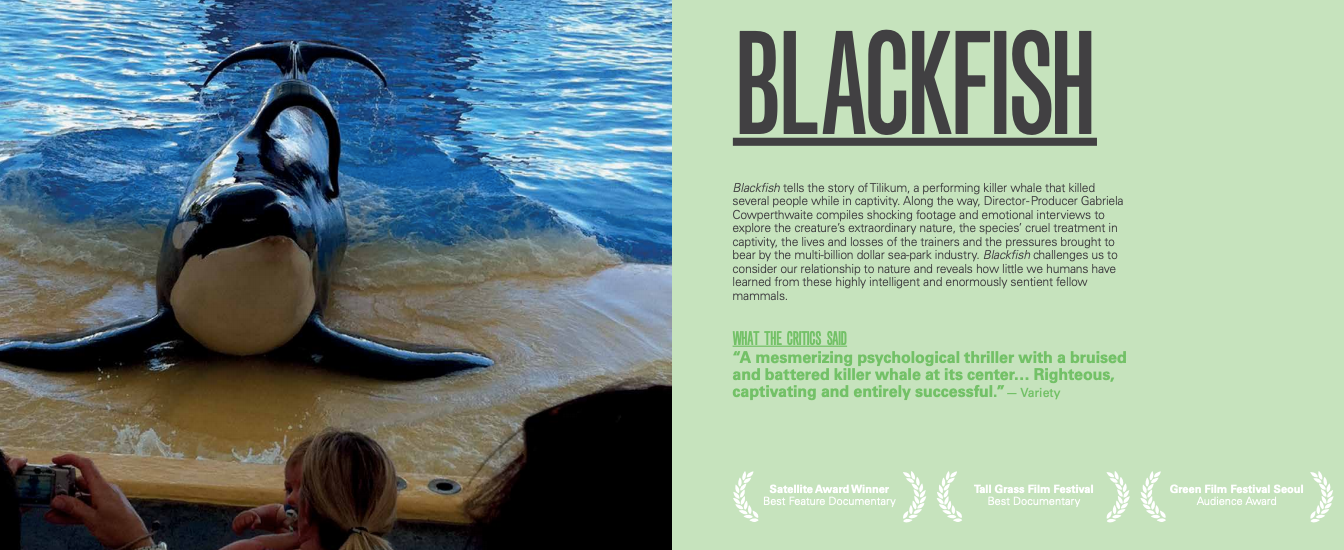
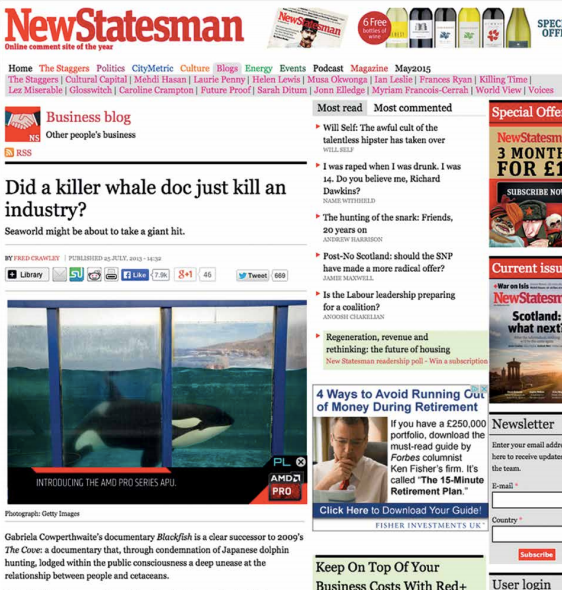
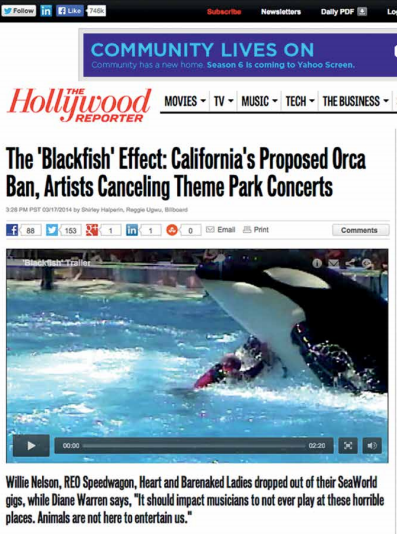
The New Statesman on BlackfishThe Hollywood Reporter on Blackfish
Without this extra component, audiences are likely to see your impact entertainment as just another commercial, albeit one for your values. Brands that truly want to have an impact – and want their consumers to know this – need to begin budgeting for actual impact campaigns, and need to set clear, realistic goals and metrics for impact before they release their film (and often before they make it). But the Impact Entertainment report also showed that 53% of respondents lacked the knowledge to start an impact initiative. So how do we bridge this dual purpose and skills gap?
The traditional documentary world has been making impact films for quite some time, and there’s an entire sub-industry dedicated to ensuring that films have an actual impact. In fact, the field became so obsessed with impact a few years ago that filmmakers could barely find funding if impact wasn’t an express part of their agenda. Organizations such as the Doc Society (which runs the Good Pitch) held boot-camps and studies to create best practices for having an impact through media. Working with leaders in the field such as Sundance and the Ford Foundation, they even created a Field Guide for anyone interested in having an impact through film (it was just updated this past week). This guide is a good place for brands to start learning about how to truly have an impact. It’s long, but it’s one of the only comprehensive places to study impact and incorporate it into your work.
But there’s more that can be done. The conversation around impact is ongoing in the traditional doc world – at events like Good Pitch, and also conferences and festivals such as Sundance, Hot Docs, IDFA, the International Documentary Association’s Getting Real Conference and more. The brand-doc community needs to integrate more with the traditional-doc community. Brands can learn a lot about best practices for impact, and probably bring some much needed marketing experience to the conversation. But we have to get these two groups in the same room more often.
Getting any film seen by audiences takes hard work, but luckily this work can overlap with having an impact. Partnering with grassroots groups working on the issues on the ground can lead to impact, and butts in seats (or eyeballs on screens). Tying your goals for a film to your existing CSR objectives can help build employee buy-in, lead to obvious partners for screening and impact outreach, and make your values more transparent through action. Many brands have teams that are well-connected with politicians working on these issues – show them your film, and have them meet with groups advocating on these issues. Raise awareness to your customers through all of your marketing and retail channels. Spend marketing dollars not just to promote the film, but also to promote the impact campaign around the film, which can also have the dual effect of getting the film seen while having actual results. These are just a few of the things brands can do to increase impact – the Field Guide can help you think of more. So can speaking with brands that are already doing this – I won’t name names here, but we all know which brands are taking more concrete actions, and many will share lessons learned (perhaps at BrandStorytelling in January).
You don’t have to set out to completely change the world. But by tying measurable impact goals to your film’s release, you can ensure that the viewer knows you are serious about the issues in your film, and can join you in taking even small steps towards addressing those issues. This will elevate your brand above the noise of those engaging in “purpose-washing” and let your film have real impact.


![Brand Storytelling: A Docu-Series [Vol. 1]](https://alphavidgen.com/wp-content/uploads/2026/01/image_2004_bb8bcdad.jpg)