Category: Blog

Your blog category

  • Keeping it Real: Q&A with Hinge Creative Director Molly Fedick

    Keeping it Real: Q&A with Hinge Creative Director Molly Fedick

    When Hinge set out to work with influencers, they didn’t want anyone “safe” — they wanted real. The kind of real that aligned itself with their unique and authentic positioning in the dating app space.

    Nailing an influencer partnership is no small task, as evidenced by scores of bad team-ups and articles claiming the death of influencer marketing is upon us. But this wasn’t Hinge’s fate.

    For starters, Hinge’s clear brand voice allowed them to rule out any and all candidates that didn’t fit the bill. Plus, Hinge made a partner out of The Social Standard, the company creating powerful partnerships by uniting brands with top social talent.

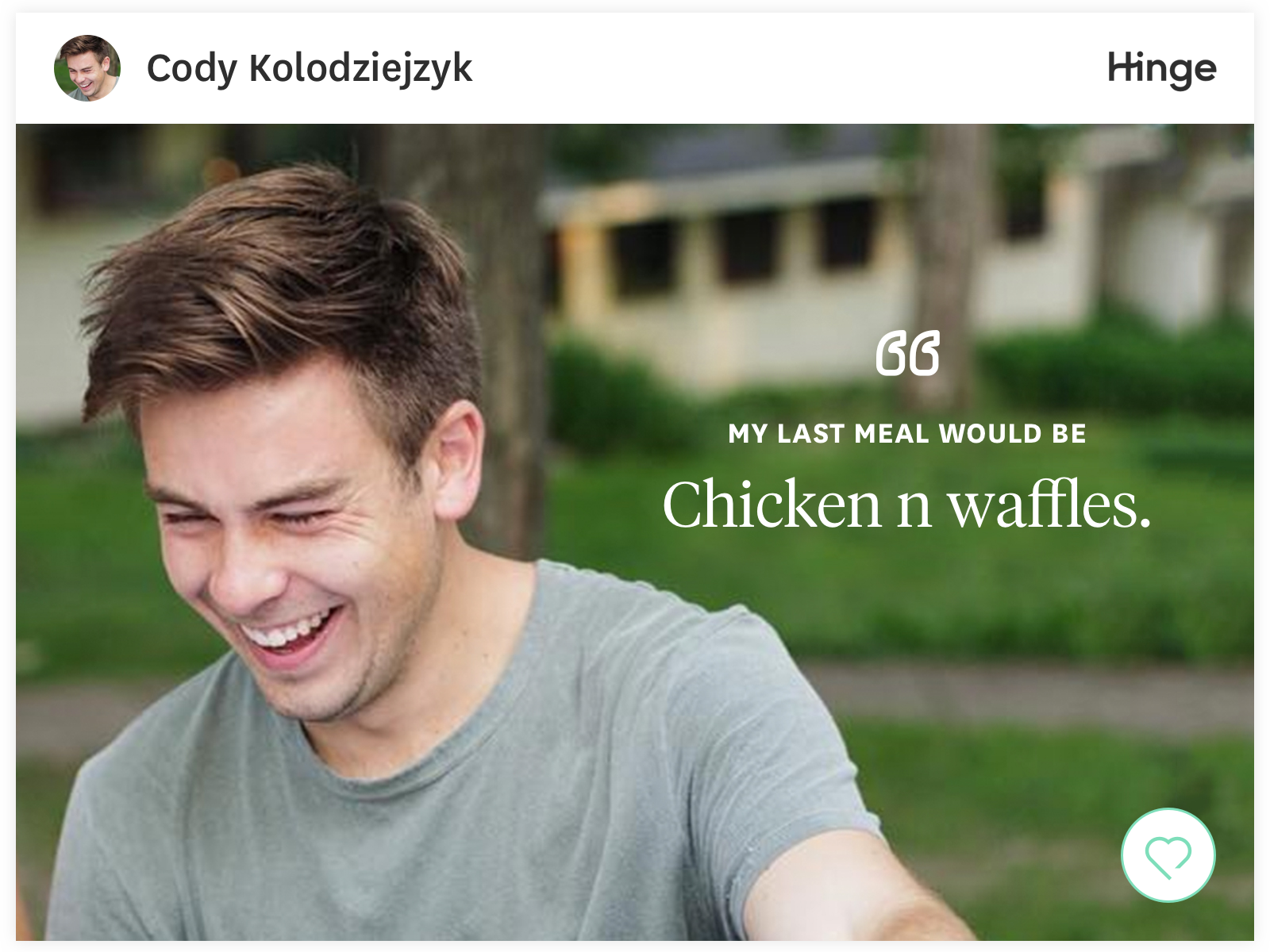
    The result? Partnering with powerful influencer Cody Ko. A YouTuber with nearly 3.5M subscribers, Cody represents a big win not just for Hinge, but in the way that influencer partnerships can pay off at an advanced level.

    So how’d they find the right fit? Brand Storytelling caught up with Molly Fedick, Creative Director at Hinge, to learn more about cultivating Hinge’s brand voice, her pursuit of the ideal influencer partnership, and the importance of fostering relationships with companies like The Social Standard:

    From its “designed to be deleted” slogan to its visual identity, Hinge has a very “no-nonsense” and “real” brand voice. What goes into cultivating and maintaining that brand voice?

    Thanks — I’m glad that’s coming through!! Speaking to our community in a very real, non-sales-y way is the center of everything we do. The word “authentic” gets thrown around all the time by marketers. For me, it’s all about remembering that the people who use our product are basically…well…me! There is literally nothing different between me and my team and the people using Hinge all over the world. So I always ask myself, how would I want to be advertised to? And the answer to that question is that I want honesty. For example, it’s totally unrealistic to expect that someone using Hinge hasn’t (or isn’t) using a competing dating app. That’s just totally insane. So, we don’t pretend we’re the only dating app out there, or that everyone should be using Hinge — instead, we focus on what makes Hinge different, and then we let the user decide if that’s up their alley. We’re cool with people using it…and we’re also cool with people actively choosing to not use us.

    Another reality we talk a lot about is that sometimes, dating sucks. In this space, it’s tempting to be weirdly cheerful or bizarrely hopeful all the time. Uh, news flash…dating is really hard sometimes, and sometimes you’re going to meet a total weirdo. Other times, you’re going to want to sit at home and order $60 of takeout instead of going on another first date. We acknowledge this a lot in our memes, which we use not only on our Instagram page, but also as ads. They’ve been so successful at converting people, I think, because users truly believe we’re on their side. And we really are!

    Lastly, the no-nonsense design aesthetic is fully on purpose. Our users are not looking for bursts of confetti, 50,000 pop-ups prompting them to do XYZ, etc…they just want to meet someone and get off the damn app. Hence, “designed to be deleted.” I think Hinge is the perfect mix, design-wise, of utilitarian and friendly.

    When and how did you set out to work with influencers? What criteria was set internally to help streamline the process?

    I knew I wanted to work with influencers the second I started at Hinge over two years ago. At that time, mainly CPG companies were using influencers — basically, it was Kim Kardashian holding up a bottle of hair vitamins telling people to “check these out!” Our challenges at the beginning were many — the biggest being the absence of a major budget. This turned out to be a blessing in disguise. We were forced to come up with creative ways to use our influencer content, which ended up being, put spend behind Instagram influencer posts, and run them as ads. In addition, we have influencers send us raw video files when they make stories so we can run those as ads as well. That way, the content lives for longer than 24 hours, or an Instagram feed cycle.

    When our budget grew enough to include YouTube and podcast sponsorships, we knew we ONLY wanted to work with people who were actually familiar with the app and had used it. That’s why I immediately went to CodyKo. I was familiar with his YouTube channel because it’s one of the less cringe YouTube channels out there (sorrrrrry, YouTubers), and I remembered seeing him on Hinge’s Most Eligible Users list a year or so prior. That’s a list we compile of actual users who are deemed “most eligible” by other users…not to inflate Cody’s ego any further!

    We started with a YouTube video. As a person who is obsessed with YouTube myself, I know there is nothing more annoying than a terribly executed integrated ad or sponsorship. It comes off as forced, and to be honest, people come away from that video thinking their favorite creator has sold out, and that the brand is lame AF. So, when we partnered with Cody, I was clear I did NOT want him to veer from his regular style or content buckets. We decided together to execute a “That’s Cringe” video about couples — “That’s Cringe” is one of his most popular series. He talked all about being on Hinge, included screenshots of his profile, and then talked about getting off the app when he met his girlfriend. It was all very organic and seamless. Also helped that “cringe” rhymes with “Hinge.” 😉

    How did the Social Standard fit into Hinge’s pursuit of a brand ambassador?

    Social Standard is a literal lifesaver for me and my team! We are super lean, and they do pretty much everything for us aside from creative approvals, which I do. Their team is awesome — we have a dedicated person identifying influencers, a dedicated person identifying podcasts, a sales guy to handle all the money stuff, and a whole slew of people ensuring posts are going up on time, changes and revisions are made, etc.

    In addition to the day-to-day help, Social Standard has been instrumental in getting us set up with software we didn’t even we know we needed, like CreatorIQ… we now use that account every day. They’ve also introduced me to people like Casey Neistat. The idea of working with him came up over a year ago, but it wasn’t the right time. They didn’t push it…and now it IS the right time, and we’re trying to work something out with him. I really appreciate Social Standard’s non-pushy attitude. They’ve never pushed ANYTHING on me — spending more money, increasing budgets, etc…instead, they are always looking for ways I can SAVE money, get more value out of my influencer content, etc. Really, this company has gone above and beyond in every way.

    The Social Standard has also been able to negotiate some really great deals for us. Being loyal to them has been well worth it.

    In your eyes, what is the most valuable aspect of telling a brand’s story?

    Telling a brand’s story is so valuable because it gives you a chance to interact in an honest, authentic, vulnerable, two-way manner with your customers. If you’ve done a good job telling your brand’s story, you ARE going to create interesting, meaningful conversation about important topics. In Hinge’s case, we’re having super interesting dialogue about things NO ONE wants to talk about in dating: things like, why do people treat each other so poorly in today’s dating culture? What are the consequences of being addicted to your phone? We also talk about fun things, too — for example, Cody’s content highlights how ridiculous dating app profiles can be…and guess what? WE AGREE! Dating app profiles can be hilarious and there is no need to take anything too seriously.

    Overall, I just love that we’ve created a truly two-way brand. Our Instagram DMs are constantly filled with people who want to talk to us, and these messages are meaty. I consider that a massive compliment.

    Learn more about Hinge and The Social Standard at ELEVATE, the premiere retreat for brand storytellers and their partners.


    About Molly Fedick

    A former journalist, Molly is a “content first” creative director, focusing on great storytelling and authenticity above all else. As Creative Director at Hinge, she leads strategy for marketing, content, and social campaigns. A true “hacker,” her projects include spearheading an unorthodox (some may say crazy) Instagram and Reddit “meme takeover,” building a wildly-successful neighborhood-specific ad campaign, leading the Hinge social team in overtaking Hinge’s two biggest dating space competitors on social, and building an influencer program featuring custom podcast segments vs. traditional sponsorships. Outside of Hinge, Molly is a contributing writer for several national magazines and websites, and continues to build viral accounts (5MM+ followers). She has created countless pieces of digital content for clients including Coca-Cola, Grey Goose, and Urban Outfitters.
  • Brand Storytelling Live Streams: Navigating esports in 2020

    Brand Storytelling Live Streams: Navigating esports in 2020

    Live on Zoom – Wednesday, April 15th at 12:00PM PST

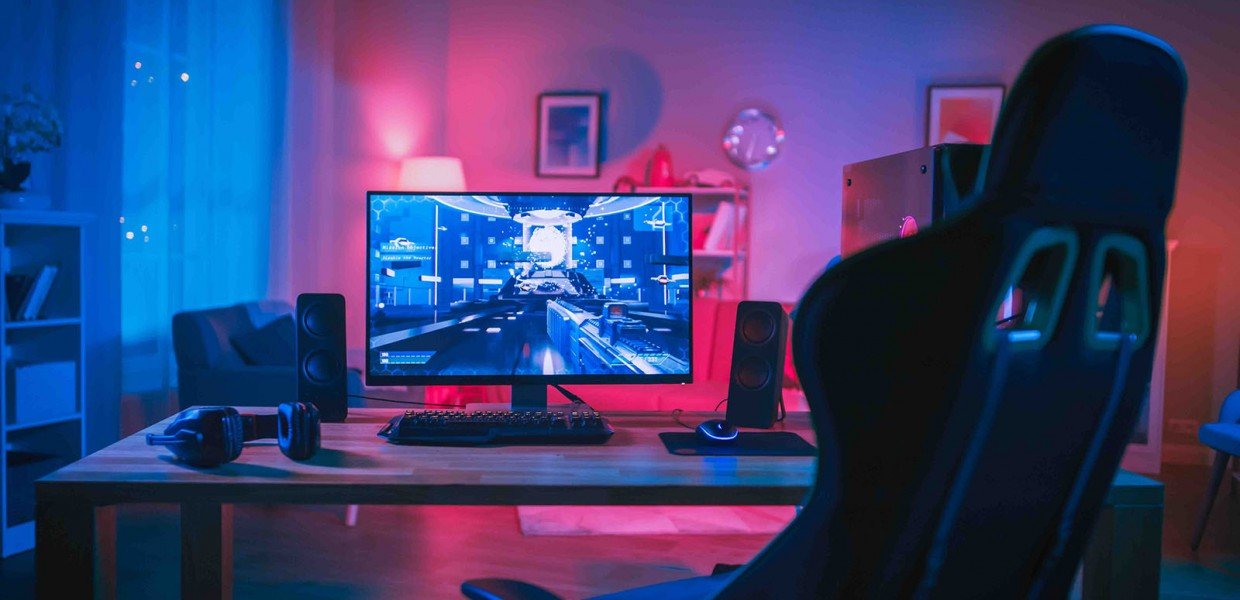
    The growth in esports was significant well before the global breakout of COVID-19. But with traditional sports shelved, more attention than ever is being placed on digital alternatives, shining fresh light on an ecosystem now ranging from the Overwatch League to NASCAR simulations and televised 2K tournaments. But what exactly are we talking about when we say “esports?” And how do brands identify the right opportunities available to them? 

    WATCH THE RECORDED LIVE STREAM HERE

    Defining Terms:

    • “esports vs. gaming” 

    • The esports athlete compared to the celebrity gamer. 

    Brands: 

    • What opportunities are available across the range of esports/gaming? 

    • Should traditional brands be intimidated? 

    • What role do analytics play? 

    Platforms: 

    • How are esports/gaming impacting more traditional sports platforms? 

    • How are people engaging with non-traditional sports platforms?

    Storytelling: 

    • How to tell the best stories across esports/gaming? 

    • How does the process work for the athletes themselves? 

    • Partnerships: What type should brands be looking for in a more digital sports world? 

    The New Normal: 

    • How will the return of traditional sports impact the esports/gaming ecosystem? What continues to thrive, what suffers? 

    • Advertising vs. sponsorships: How should brands approach these options? 

    • What will be the role of digital platfoms covering/carrying traditional sports? 

    Winners and losers:

    • Who is winning right now in esports/gaming? 

    • What trends will we see emerge once the pandemic is over?


    Hosted By

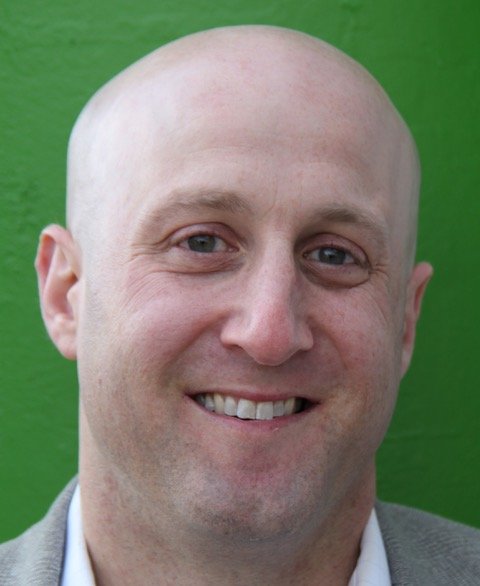
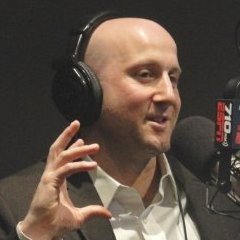
    Brian Kamenetzky

    Host of ESPNLA 710, Writer at The Athletic

    Brian Kamenetzky is a sportswriter and radio host in Los Angeles, contributing to outlets including the LA Times.com, ESPN.com, ESPN The Magazine and The Athletic. Additionally, he has worked with athletes creating content at The Players’ Tribune, and multiple studios for sponsored feature stories and videos.

    Featuring

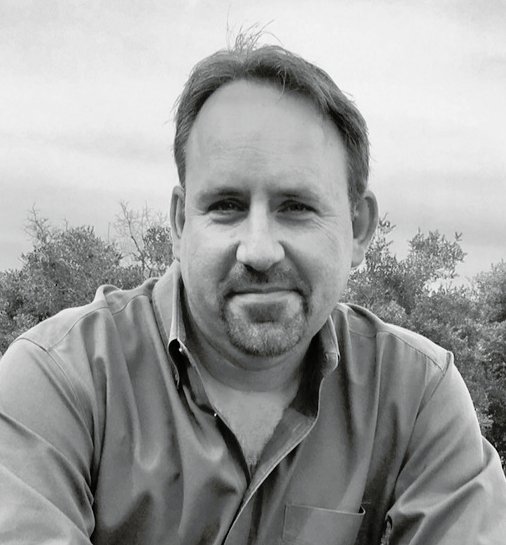
    Marc Patterson

    CEO, Connected Realm Entertainment • Head of Esports & Gaming, L.A. Venture Association

    Marc is the co-founder and CEO of CRE (www.connectedrealm.com), a socially conscious media publishing company powered by Emmy®-winning broadcast news professionals.  CRE works with brands to create content that connects.  An award-winning tech executive (mobile, VR, OTT), Marc also heads up Esports & Gaming for the L.A. Venture Association (www.lava.org).

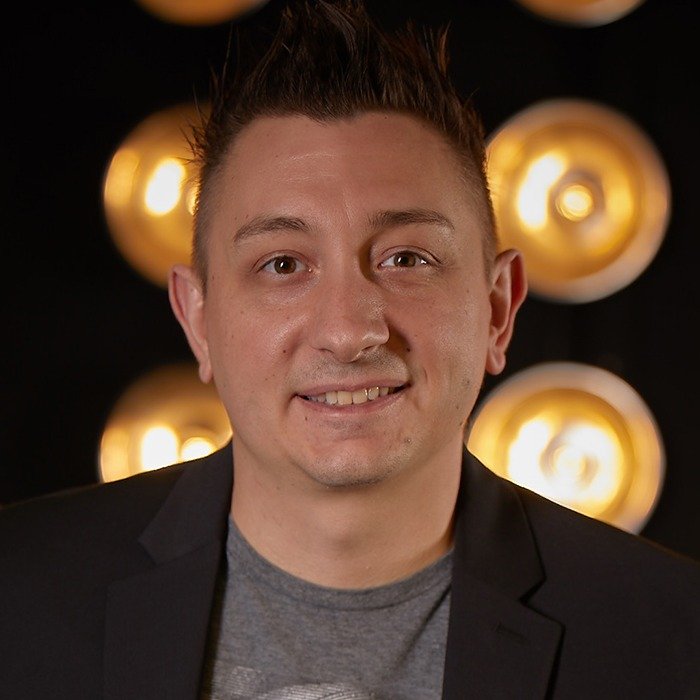
    John Carle

    VP, Strategy & Business Development, BEN

    John Carle is the Vice President of Strategy & Business Development at BEN where he focuses on helping brands navigate the influencer marketing space using BEN’s sophisticated AI & data.


    A veteran in the entertainment space, Carle has sought to empower creatives by equipping them with the tools to not only succeed but thrive in an increasingly digital world. Between building over 300 storyline episodes for WWE and shaping undiscovered talent in the YouTube Community such as Nukazooka, Carle has helped forge unique paths for creatives that enable them to better connect with audiences and brands. Carle continues to be an active voice in the content creator community, with numerous panel and moderation engagements at both VidCon and Playlist Live over the years, as well as a seat on the Streamy Awards Blue Ribbon Panel judging committee.

    In addition to being a gamer himself, Carle leads strategy for a number of BEN’s top gaming accounts including Ubisoft as they prepare for the 2020 launch season and their always on Games-as-a-Service library.

  • Brand Storytelling Live Streams: Sports are Cancelled – Storytelling Isn’t

    Brand Storytelling Live Streams: Sports are Cancelled – Storytelling Isn’t

    Live on Zoom – Wednesday, April 1st at 1:00PM PST

    How will brands pivot in a media world without games?

    What are brands to do when no games are being played? What happens to the activation and ad budgets attached to the Olympics, NBA, MLB, The Masters, Grand Slam Tennis, etc., etc? Should brands be investing in sports stories now that illuminate the athletes on the sidelines? What are fans doing during this period and how can brands entertain and engage?

    WATCH ON YOUTUBE

    Discussion Points:

    • How can brands integrate with at-home athletes to create meaningful stories?

    • What tactics are being applied to produce athlete content when production has stopped?

    • What are sports fans doing in the absence of live games? Are they turning to virtual and e-sports?

    • How are brands reaching and engaging sports enthusiasts during the pandemic?

    • How are budgets being redirected from canceled events?


    Hosted By

    Brian Kamenetzky

    Host of ESPNLA 710, Writer at The Athletic

    Brian Kamenetzky is a sportswriter and radio host in Los Angeles, contributing to outlets including the LA Times.com, ESPN.com, ESPN The Magazine and The Athletic. Additionally, he has worked with athletes creating content at The Players’ Tribune, and multiple studios for sponsored feature stories and videos.

    Featuring

    Brad Griffiths

    Senior Director, Sports Marketing, The Marketing Arm

    Brad is a Senior Director of Talent Marketing at The Marketing Arm (TMA).  At TMA, Brad spearheads the agency’s global athlete procurement efforts, including the identification and negotiation of talent for all of TMA’s clients. Additionally, Brad has 12 years of experience in the sports marketing world, with prior stops at the New England Patriots, National Basketball Association and MKTG. He lives in Long Beach, CA with his wife.

    Nate Houghteling

    Co-Founder, Executive Producer, Portal-A

    Nate Houghteling is the co-founder and Executive Producer of Portal A, an award-winning agency that creates breakthrough content with the most influential talent and brands in the world.

  • 3 Things to Know About the Rise of Impact Entertainment

    3 Things to Know About the Rise of Impact Entertainment

    Social consciousness is a larger part of the public consciousness than ever before. As such, brands, media companies, and corporations are seeking to connect with the country’s ever growing, socially conscious consumer base in the emerging category of impact entertainment: media at the cross section of traditional entertainment and content that sheds light on social issues and impact.

    SoulPancake and Participant Media, in partnership with Brand Storytelling, set out to capture the marketing community’s perspective and thoughts surrounding the use of traditional entertainment to spotlight and impact issues like climate change, income inequality, racial tension, and acceptance of LGBTQ+ citizens.

    Brand Storytelling sat down with SoulPancake CEO Shabnam Mogharabi, who detailed the 3 largest takeaways from the Rise of Impact Entertainment Poll and subsequent white paper:

    Indifference is no longer an option

    According to the study, 85 percent of brand marketers believe that staying silent on controversy is worse than being controversial. Marketers and executives alike stated that staying silent on issues facing today’s consumers can actually hurt brand awareness and even brand financial performance.

    Lack of flow of information

    Although respondents to the survey who belong to the C-suite demonstrated abundant enthusiasm surrounding impact entertainment, ultimately there was a 10 to 15 percent difference between the C-suite and general marketing audience when it comes to interest in investing in and working to create impact entertainment. While their leaders want to do it, the folks who execute on marketing media do not share that same enthusiasm. This is due in large part to marketers not knowing where to begin, creating a sort of “skills gap” that can be difficult to clear.

    One area to focus on in in improving the information pipeline is the relationship between brand and agency. Because agencies are the typical sounding board for traditional marketing, there’s often a gap in agency understanding of the traditional entertainment, financing, and packaging market.

    The “Purpose Gap”

    Results showed there’s a divide between support for impact entertainment and actual impact. Of the respondents that spoke favorably about impact entertainment, only 38 percent were actually interested in the entertainment’s influence an impact on the issue in focus. Marketers seeing value in appearing to stand for something but omitting impact results in KPI’s is demonstrative of a major disconnect between impact entertainment’s existence and purpose. It’s paramount that brands measure the actual impact of their impact entertainment.

    To honor those differentiating themselves through impact entertainment, Brand Storytelling, in partnership with the Clio Awards, will highlight the creative work of brands in the area of impact entertainment with the inaugural Storytelling For Good Award. The award will be presented Jan. 23, 2020 during the Sundance Film Festival in Park City, Utah.

    You can access the “Rise of Impact Entertainment” White Paper, featuring an executive summary of the impact entertainment survey and case studies here.


  • Brand Storytelling Live Streams: Gen Z & How COVID-19 has changed their lives

    Brand Storytelling Live Streams: Gen Z & How COVID-19 has changed their lives

    Live on Zoom – Wednesday, April 15th at 1:00PM PST

    Gen Z, like the rest of us, have had their world turned upside down due to COVID-19.  Wattpad sought out to understand how they’re currently spending their time and navigating their new “normal”, their biggest concerns, and how they expect brands to respond in this unprecedented time. They tapped into their U.S. Gen Z youth panel to find out, and the results from analyzing hundreds of responses provide timely and surprising insights for marketers. 
    Tune in to get a first-look at the results from the survey that wrapped up early April, and learn first hand from agency and brand marketers on how they are changing their strategies to connect with Gen Z during this time.  

    WATCH THE RECORDED LIVE STREAM HERE

    Discussion Points:

    • How is Gen Z choosing to spend their increased time at home?

    • How does Gen Z expect brands to support their communities and customers during COVID-19?

    • How does Gen Z feel about brands creating humorous content right now?

    • What social platform is Gen Z spending more of their time on?

    • What is Gen Z’s current view on shopping and spending money?

    • How can brands connect with and entertain Gen Z in unique ways during this time?

    • How has COVID-19 changed Gen Z’s outlook on life, and what are they looking forward to most when things return to normal?

    Hosted By

    Chris Stefanyk

    Head of Brand Partnerships,

    Wattpad

    As Head of Brand Partnerships at Wattpad, the global multiplatform entertainment company, Chris Stefanyk leads the strategy and execution of Wattpad’s Brand Partnerships business. His team works with leading agencies and the world’s biggest brands — including Netflix, Johnson & Johnson, AT&T, and many others–to solve marketing challenges through the power of storytelling, building deep engagement with Wattpad’s Gen Z consumers. Prior to Wattpad Chris has held roles at Torstar Digital, Zalora and Accenture.  Chris is a proud graduate of the Richard Ivey School of Business at Western University.
    Guests

    John Gates

    VP Content Director

    Digitas North America

    John began his career as a Location Scout for feature film and television before stints writing and producing reality TV, working in Broadcast Production for agency clients Hummer and Cadillac, and as Creative Director for hundreds of brand explainer videos for products ranging from tax software to Clamato. He currently leads Content for his Publicist Media client Dunkin’ Brands International, partnering with content creators of all sizes to bring Dunkin’s message to new audiences.

    Ava McCartney

    Director, Content Marketing,

    Tinder

    Ava McCartney is the director of content marketing at Tinder, where she helps oversee content strategy and production across mediums. Before joining Tinder’s founding editorial team, she spent time at Refinery29 and Hearst Digital Media. She is a lifelong New Yorker (let’s not talk about that year-and-a-half in Los Angeles), a lover of all things chocolate, and a passionate advocate for stellar grammar.

    Reilly Parkhill

    Student at University of Missouri-Columbia

  • When Cultural Authority Leads the Creative Process: Q&A with Campfire X’s Peter Kirk

    !Widget Didn’t LoadCheck your internet and refresh this page.If that doesn’t work, contact us.

    Recent Posts

    When Cultural Authority Leads the Creative Process: Q&A with Campfire X’s Peter Kirk

    Aivanta Announces Acquisition of FPT Media, Parent Company of Brand Storytelling and Elevate Conferences

    Blending Nostalgia and Now: Anomaly’s Take on Journeys’ Youth Culture Reset

    Drawing Content Straight from the Source: Q&A with The Yogi Foundation & Passion Point Collective

    Archive

    Follow Us

  • New Episode: Marriott Creates Lean Back Entertainment For Travelers

    New Episode: Marriott Creates Lean Back Entertainment For Travelers

    Brand Storytelling is a proud sponsor of Content That Moves by Credo Nonfiction. Episodes were captured at this year’s Brand Storytelling conference and feature a diverse array of Brand Marketers doing top work in their field.

    Episode 14: Marriott Creates Lean Back Entertainment For Travelers 

    Recorded at Brand Storytelling at Sundance, Executive Creative Director of Global Creative & Content Marketing at Marriott International, Marc Battaglia discusses their serial film programs and how they build an entire ecosystem around the content that maps back to business objectives.


    About The Podcast

    As brands become publishers in the era of digital saturation, how do you create content that stands out and inspires your audience to act? Credo Nonfiction presents a new podcast for brand marketers and communications professionals to learn from the most innovative minds in brand storytelling how to create content that that builds meaningful connections and ultimately moves the bottom line. Hosted by Emmy and James Beard award-winning content creator Jesse Roesler.

  • Q&A with ‘Elevate’ Trail Leader, Digital Strategist Marissa Gluck

    Q&A with ‘Elevate’ Trail Leader, Digital Strategist Marissa Gluck

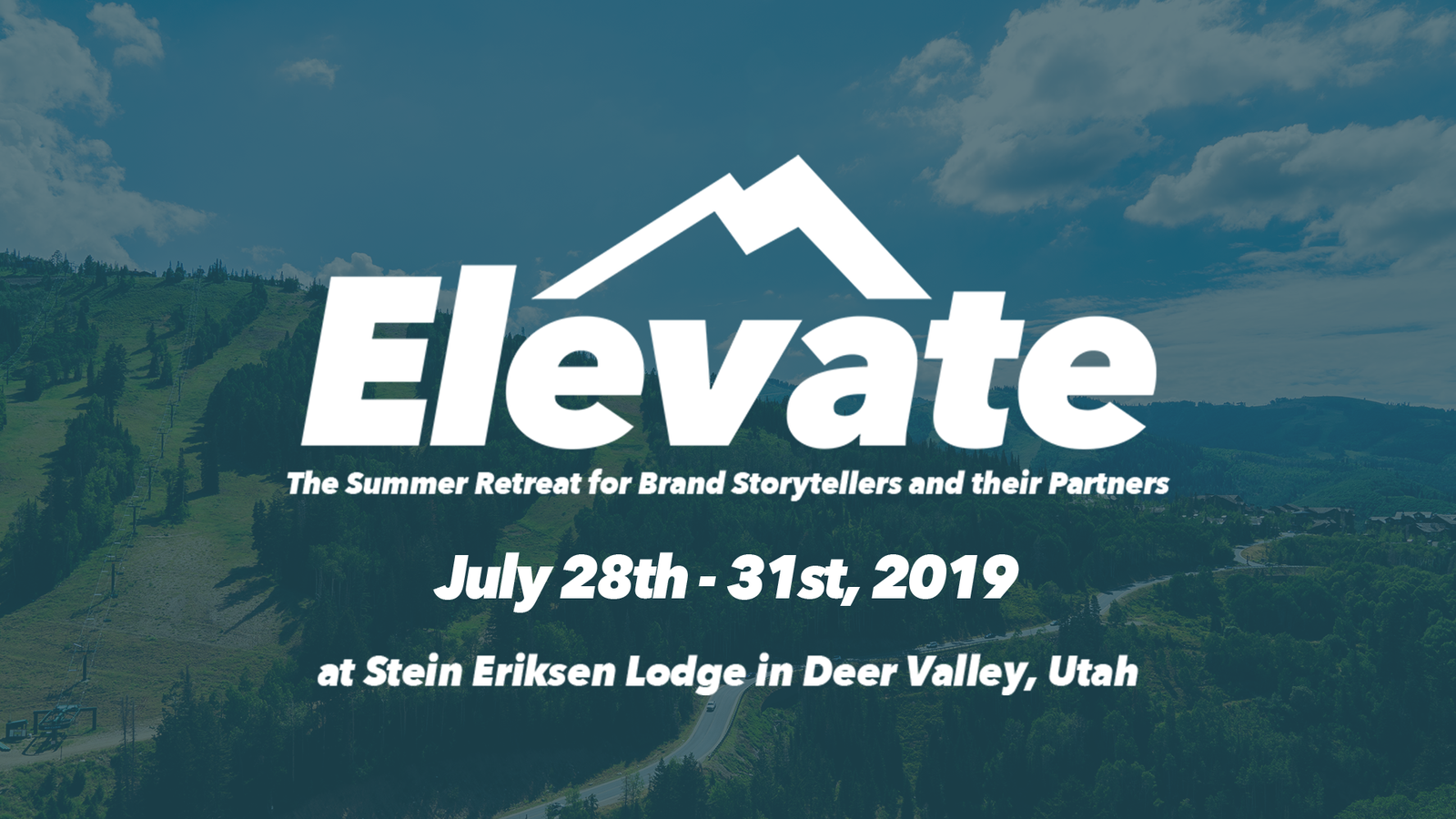
    This year, Elevate returns to the iconic Stein Eriksen Lodge in Deer Valley, Utah. Elevate will once again be comprised of four ‘trails’, each one a deep dive into better understanding the foundations upon which branded content is built. This year’s trails will explore four subjects pertinent to the work of brand storytellers and their partners: Content Development, Platforms & Mediums, Measuring Success, and Looking Ahead. Each trail is being carefully curated and led by an industry expert on the subject at hand. This year, one such expert is Marissa Gluck.

    Gluck, co-founder and managing partner of Radar Research, is a digital strategist who has spanned the agency and publisher worlds, most recently as a Vice President at media consultancy MediaLink. As head of research for Disney’s Maker Studios, Marissa worked with Fortune 500 brands on influencer and social strategies. Prior to Maker, Marissa worked in strategy at IPG agency Huge Inc., where she was responsible for the company’s global thought leadership platform, providing a perspective on the impact of emerging technologies across a range of industries. As a consultant, she has worked with companies such as Google, DoubleClick, McGraw Hill, Sony Pictures and agencies such as RGA and POSSIBLE.

    Brand Storytelling Advisory Chair Todd Barrish took time to meet with Marissa Gluck to better understand her perspective and approach to tackling the Platforms & Mediums Trail at Elevate as it relates to her immense experience:

    First off, can you tell us a little about your background? Specifically, what drew you into a career in media and advertising as an analyst?

    I’ve been working in digital media and advertising since the beginning of my career and have worked on both the agency side at places like Huge and on the media side at Maker Studios/Disney. What I enjoy the most is the pace of change. Nothing ever stays the same, even as the fundamentals of great media remain grounded in compelling storytelling. It’s an industry that thrives on innovation. And what else would I do? I don’t personally have the constitution to work on Wall Street or be a doctor.

    Can you give us an overview of the Distribution Trail? What are you hoping to learn through this process?

    The distribution landscape is really confusing right now. There is a seemingly endless supply of content and almost equally endless supply of opportunities for distribution with the explosion of OTT and SVOD platforms. There is a massive land grab happening as SVOD platforms spend outrageous sums of money to acquire quality content. We’re hoping to make some sense of this landscape, to discern what the opportunity is, and to understand how these changes affect everything from advertising, to acquisition deals, to advanced analytics.

    Given the ever-evolving nature of the content distribution ecosystem, how are you planning on gathering information on traditional ad supported mediums as well as the more opaque platforms and media streaming services abound?

    At Polymath, we’ve already done a lot of the foundational research. We’ve conducted executive interviews, have pulled from publicly available data, and have some great sources for information on what cable channels, SVOD and OTT platforms, and social networks such as Facebook and Snap are looking for in their content slates. We’ve also gone beyond the development level to talk to producers and writers who are working with these platforms to understand the nature of their relationships and some of the complexities from a legal perspective. Negotiating contract terms is a bit of a Wild West these days.

    There is more content being produced now than ever before; however, it seems like the path to distribution for advertiser funded projects is extremely complicated and requires customized approaches on a per project basis. As you dive deeper into your work, how do you plan on segmenting opportunities with traditional media companies, SVOD platforms like Netflix and Amazon, alongside platforms such as YouTube, Facebook and Snap who are so ubiquitous in this space?

    There is this idea in the industry that data drives development. That Netflix has cracked this nut, where its algorithm propels what kind of content they acquire or develop. The reality is that development is still very much an art more than a science (yes, even at Netflix). However, data is critical to marketing and promotion in order to find interested audiences. Data is not what drives the content — it’s what drives new audiences. Traditional demographics, which have always been a proxy, have been replaced by more precise taste clusters. We also have newer metrics emerging such as survivorship. Did audiences watch a series to completion within 28 days or did they watch a couple of episodes and never return? I think for advertiser-funded projects, we need to think more like these platforms and less like advertisers and gain a better understanding of what success looks like.
    What do you hope the audience learns from this session that they can apply to their businesses as brand marketers and content producers?

    I hope we find a little bit more clarity around what’s a really complex opportunity and have a better understanding of what our goals are with these kinds of projects, what some of the common obstacles are, and what are the signs of success in this space. I think brand marketers have a vague sense of what the value proposition is but I’d like to add some more substantive discussion. How do we avoid common pitfalls? How do navigate this landscape? How do we find the best distribution opportunities and how do we optimize that for their audiences? I’d like attendees to walk out of there with a more concrete battle plan and a realistic view of the opportunity.


    About Marissa Gluck

    Marissa Gluck, co-founder and managing partner of Radar Research, is a digital strategist who has spanned the agency and publisher worlds, most recently as a Vice President at media consultancy MediaLink. As head of research for Disney’s Maker Studios, Marissa worked with Fortune 500 brands on their influencer and social strategies. Prior to Maker, Marissa worked in strategy at IPG agency Huge Inc., where she was responsible for the company’s global thought leadership platform, providing a perspective on the impact of emerging technologies across a range of industries.
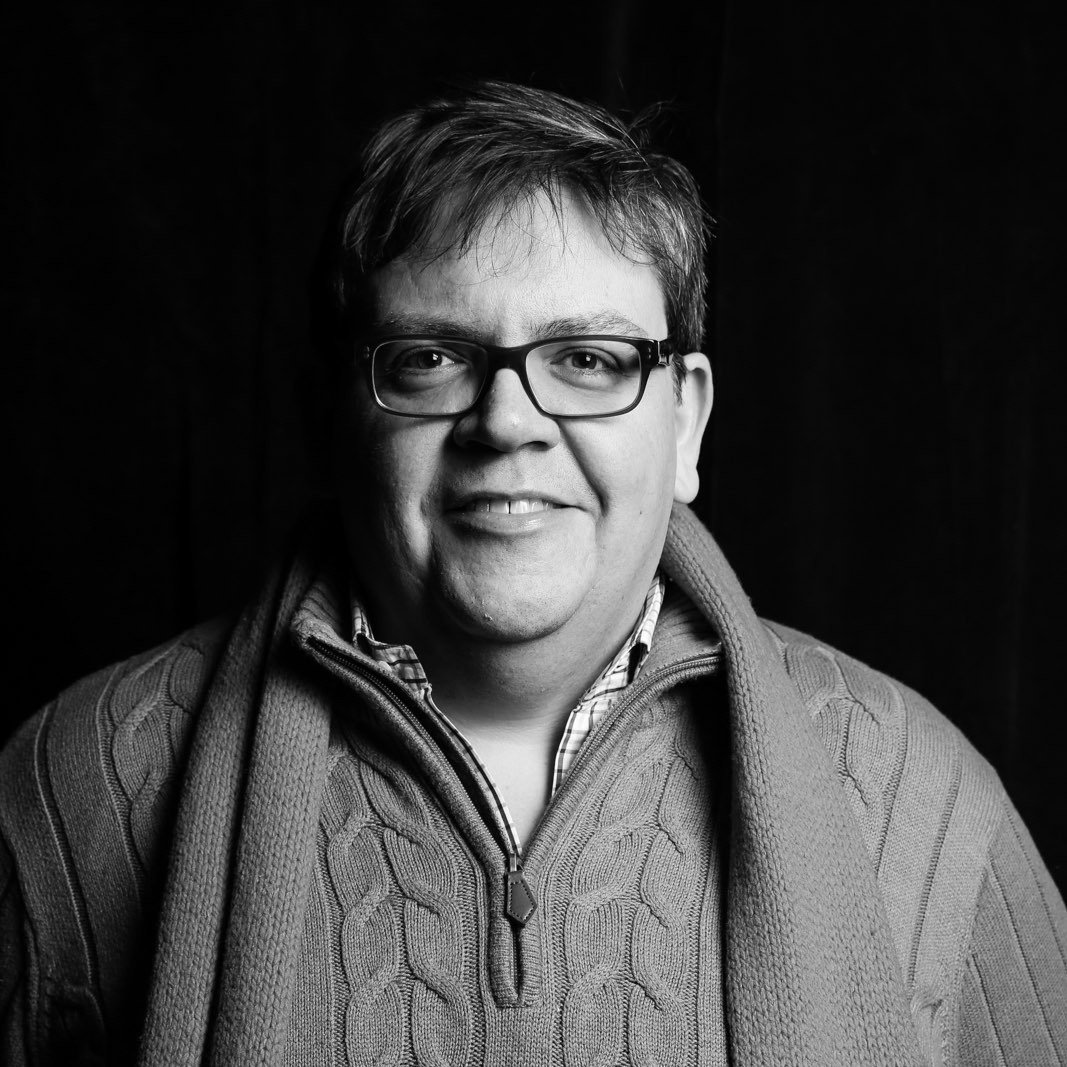
    As a consultant, she has worked with companies such as Google, DoubleClick, McGraw Hill, Sony Pictures and agencies such as RGA and POSSIBLE. Marissa earned a B.A. from Binghamton University and two Masters Degrees in Global Media and Communication from the London School of Economics and the University of Southern California. She has served as adjunct faculty at the University of Southern California, teaching an undergraduate course on social networking. Marissa is also one of the principals at design east of La Brea (de LaB), an NEA-funded arts non-profit seeking to increase civic engagement through the lens of design. She writes about architecture, art, and urbanism for The New York Times, the Los Angeles Times, Los Angeles Magazine, and The Atlantic, among others.

  • Stirrings of a Branded Doc Backlash – and the Need for Transparency & Best Practices

    Stirrings of a Branded Doc Backlash – and the Need for Transparency & Best Practices

    Late last year – just a few weeks ago – I predicted that we’d see a branded content backlash in 2020. I assumed this would be caused by a Jenner/Pepsi type moment, but we may be seeing the beginnings of this backlash in a new piece from 100Reporters, detailing many recent transparency and ethical lapses in branded content. Most of the criticisms are well-founded, but they also point to some steps the industry can take in 2020 to mitigate the consequences of any backlash – namely, by developing best practices for branded content, starting with transparency when it comes to brand funding and goals.

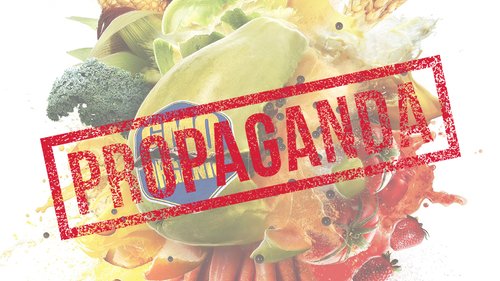
    The article, Documentaries as Advertising – Corporate Interests Turn to Indie Docs for Influence; Audiences in the Dark by Tim Schwab, argues that too many corporate-funded documentaries hide –or conveniently elide – their corporate financing and potential conflicts of interest. Schwab, makes a decent case that this lack of transparency can fool audiences and critics alike. He uses examples such as Food Evolution by Scott Hamilton Kennedy, a pro-GMO film that didn’t disclose its ties to agribusiness interests, and even misrepresented famous anti-GMO activists like Marion Nestle as being pro-GMO. In this example, and the others Schwab uses, it’s not that the arguments presented are necessarily wrong, but that their funding – and conflicts of interest – were not prominently disclosed.

    While many of Schwab’s examples are of films financed by lobbyist groups, or even founders of brands with interests in specific takes on a given subject, his overall argument pertains to any brand-funded documentary – that it can be even harder to “discern nonfiction from fiction, documentary from public relations, news from fake news.” He goes on to argue that while journalists have a code of conduct mandating that reporters should “distinguish news from advertising and shun hybrids that blur the lines between the two,” there are no such guidelines for documentaries in general or for branded content.

    As a journalist writing for a nonprofit portal dedicated to investigative reporting and ethics, he is rightly concerned about the rise of branded content and its impact on neutral journalism. But does this apply to branded content generally? I’d argue that any corporation – even those who clearly have a point of view they want to express through their films – should also be concerned about these same issues, and would do well to consider establishing best practices and protocols for branded content. While not all branded content aspires to be journalism, and much of it is being made purely for entertainment value, the potential problems with such practices are worthy of our attention.

    If one of the primary reasons brands are turning to documentary films is to break through to consumers with an authentic brand message, there’s a danger that honest messages will be crowded out by less ethical media, and the latter could taint the entire field. The last thing quality branded content needs is to be lumped together with non-transparent messaging that smells like “purpose washing” to consumers. And in a world where “fake news” is being tossed around about almost all media – good or bad, left or right, etc. – we don’t need branded content to automatically be lumped in with everything else that is fake. Your film’s audiences, critics and potential allies will feel their time and intellects are being respected when you are more transparent about both your funding of and your goals for such films and media.

    The article quotes Pat Aufdeheide of American University, a well-respected documentary scholar, saying that documentarians need to have more open conversations about ethics, which “means moving beyond “morally denouncing, which is what everyone is afraid of with ethics. The questions we should be asking are, “What are the consequences of this, at a point at which we’re all worried about fake news?””

    My argument is that brands that care about such ethics should be part of this conversation, and should help start and lead it with their corporate colleagues. Your consumers/audiences are demanding more authenticity, and this starts with transparency. The best way to bring transparency and other ethical concerns to bear on the sector is to start the conversation, develop best practices for branded content ethics, and utilize them in your work, setting an example for others who follow.

    What would such best practices include? The first is obvious – transparency. And this would seem the easiest to address – most corporations want their logo displayed prominently at the beginning of any film they sponsor/fund. But sometimes the distributors/broadcasters/SVOD partners balk at prominent logos – this debate shows us that there is even more reason to fight for brand awareness, so as to avoid any confusion among audiences. Even when filmmakers have complete creative control and final cut, brand funding should be transparent. When such funding doesn’t warrant a “presented by” or other prominent branding, it should still be disclosed prominently in all artwork and in the credits. Brands should be transparent about their funding for such films in all cases, and distribution partners should require this transparency in their contracts when they acquire these films. Brands should likewise require such transparency from the agencies and producers they work with, by including it in their contracts.

    Other best practices should include – clarity around creative control, who has it, and to what extent; and acknowledging your brand’s interests in the content, by being open about your goals, potential conflicts and other interests in the press surrounding the film. If your goals/values are clear and well-represented, it should be easy to signal these in your public statements, and in the promotions for the film. Storytelling mechanisms can help as well – the best branded content isn’t a commercial for your viewpoint, but it does seamlessly integrate your values in the story itself. A good example of this came from Great Big Story and P&G when they made The Words Matter. Not only is there a P&G logo up front, but the film also doesn’t hide its branded origins, or how it helps push the P&G story (warts and all) – in fact, these components of the story are central to its interest and power.

    These are just a few examples of best practices we should establish for branded content. I am sure there are more, and better, ideas out there. My hope is that those coming together at BrandStorytelling can begin conversations on these best practices and possibly work towards our own code of conduct.

    And to be transparent, that’s one of the goals of the Brand-Foundation-Alliance, which I helped found at last year’s BrandStorytelling conference, and which will be meeting again this January in Park City. We’re bringing together foundations and brands who care about media for impact to develop best practices. Let’s be honest – most funders of media, including foundations, have an agenda. Everyone involved with documentary media will be well-served by establishing best practices for transparency, if not a code of conduct. Want to be part of this conversation? Drop me a line and we’ll find a time at the conference.


    About Brian Newman

    Brian Newman, founder of Sub-Genre, consults on content development, financing, distribution and marketing to help connect brands and filmmakers with audiences. Clients include: Patagonia, REI, Keen, Yeti Coolers, New York Times, Shopify Studios, Stripe, Sonos, Sundance, Vulcan Productions and Zero Point Zero. Brian is the producer of Love & Taxes, The Outside Story, and The Ground Between Us, and executive producer of Shored Up. Brian has served as CEO of the Tribeca Film Institute, and is on the advisory board of the Camden International Film Festival.

  • It’s Time for Branded Content to Break the Rules

    It’s Time for Branded Content to Break the Rules

    As more brands move into long form branded content – meaning feature length documentary or narrative films around 90 minutes – brands increasingly have the same plan – to premiere at Sundance or another top festival and then “get onto Netflix”. These are worthy goals to be sure, and I’ve sold multiple brand client films to Netflix and other distributors. But this is just one strategy for distribution, and I keep hoping more brands will wake up to the reality that maybe they don’t need to follow “the rules” and go down this path to distribute their films. Perhaps it could be better to break the rules of the old-school film world and forge their own paths.

    This might seem counterintuitive, but if part of the goal of premiering at Sundance/SXSW and then landing on Netflix is to show prestige and break through the noise, you might be picking the most crowded path of all. An estimated fifty-thousand unique films apply to festivals globally each year via FilmFreeway, the festival submission tool of choice these days. Most film festivals show between 150-350 films (including shorts), and it takes most festivals 3+ months to make a decision. Brands submit their films and then wait, and fret and worry about where they will be accepted. Then, if they are accepted, they will fight for a good sales agent (or consultant) and try every angle to sell to Netflix (which is always their first choice), or Hulu or now Apple TV+, Disney+, Peacock, etc. But if they are picked up for distribution, they end up in an endless sea of content, with consumers doing the endless scroll trying to find something, anything to watch. And oh yeah, if someone does watch your content, you will never know because these platforms don’t release any viewership data.

    That to me sounds more like being buried in a sea of content, with no control over your destiny. To be clear, I am going through this process with many clients myself right now, and sometimes this is the game you have to play. It’s what everyone does, so it must be the right way, right? Maybe. But this system was set up to help independent and arthouse films to get discovered – because they didn’t have any other options. They didn’t have Studio support, knew nothing about marketing, had no customer base, and no money to build an audience. That’s not true of most brands.

    Brands – good and great ones – have a loyal customer base. They know marketing, and they have budgets to do it right. Many have retail stores & catalogues (online or print), strong social media followings, brand loyalty and lots of experience finding their consumers. Plus, they have designers, marketers and support staff galore, along with most of the other elements needed to successfully bring products – like a film – to market. They might not know all the rules for releasing a film but guess what – no one does, as the market, and what works, changes daily. There are no rules anymore.

    RoadsideAttractionslogoabramoramafathom-events-share

    But there’s also another tried and true secret of the film world – many distributors work for-hire. That’s right, you can approach distributors and pay them a fee to help distribute your film with their expertise, but with you controlling more of the roll-out and marketing, and also getting more of the upside. It’s called a service-deal, and it can be done with the Studios, mini-majors (like Roadside Attractions), or smaller outfits like Abramorama, or Argot Pictures. Or you can hire any of numerous consultants in this space, and build a release yourself. It might include theatrical releasing by four-walling (renting) theaters, or using Fathom to do one night events (see the TCM Big Screen Classics screenings), or if your film is great, theaters might book it via your service-deal booker for no fee and just a split of the door. Costs and strategies vary but can be as cheap as $150,000 or go into the low seven figures for most films.

    Regardless of the exact for-hire company used, Brands re-gain control of their destiny a bit. You can dictate when it will play in theaters, how it is marketed – you can even be the marketer – and you can make up the rules of how it will premiere and reach consumers. You can pick the date you want to premiere in theaters, then choose festivals based on whether they fit your schedule, instead of building your schedule around their decision process. When done right (and with good content), your service deal partner can likely help you land on most digital platforms, and sometimes even on Netflix.

    You don’t even have to do festivals or theatrical to make this happen – you can do event-based marketing, throw parties, show the film outside your stores, and still build demand and land on a good digital home. Why let a festival show your film four times, with no revenue or audience stats or demographics given to you, when you can make your own festival around your film, turn it into a special event and keep all the rewards. I’ve run film festivals, and they’re great, but you can create a special event launch of your film without them. You can ensure that your film reaches and audience and has its desired impact – even if that is just to enter the cultural conversation – by taking more ownership and ditching the rules of the system to make up your own.

    damnationpbflil peep

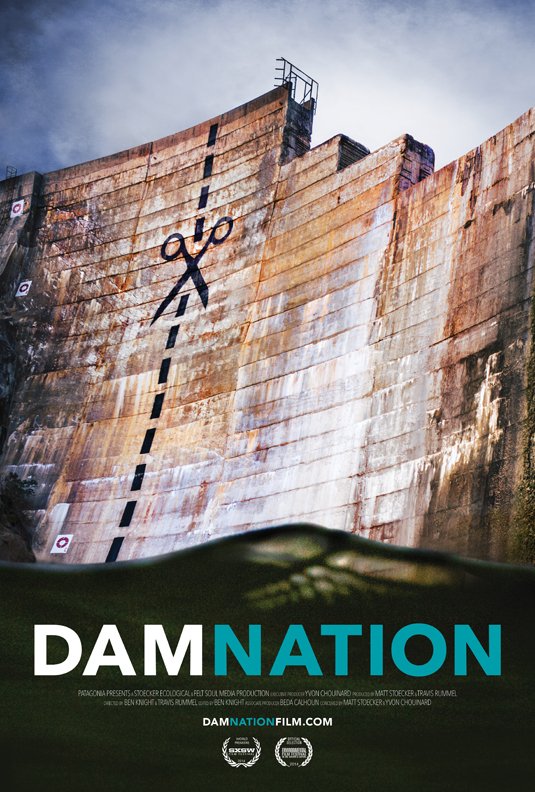
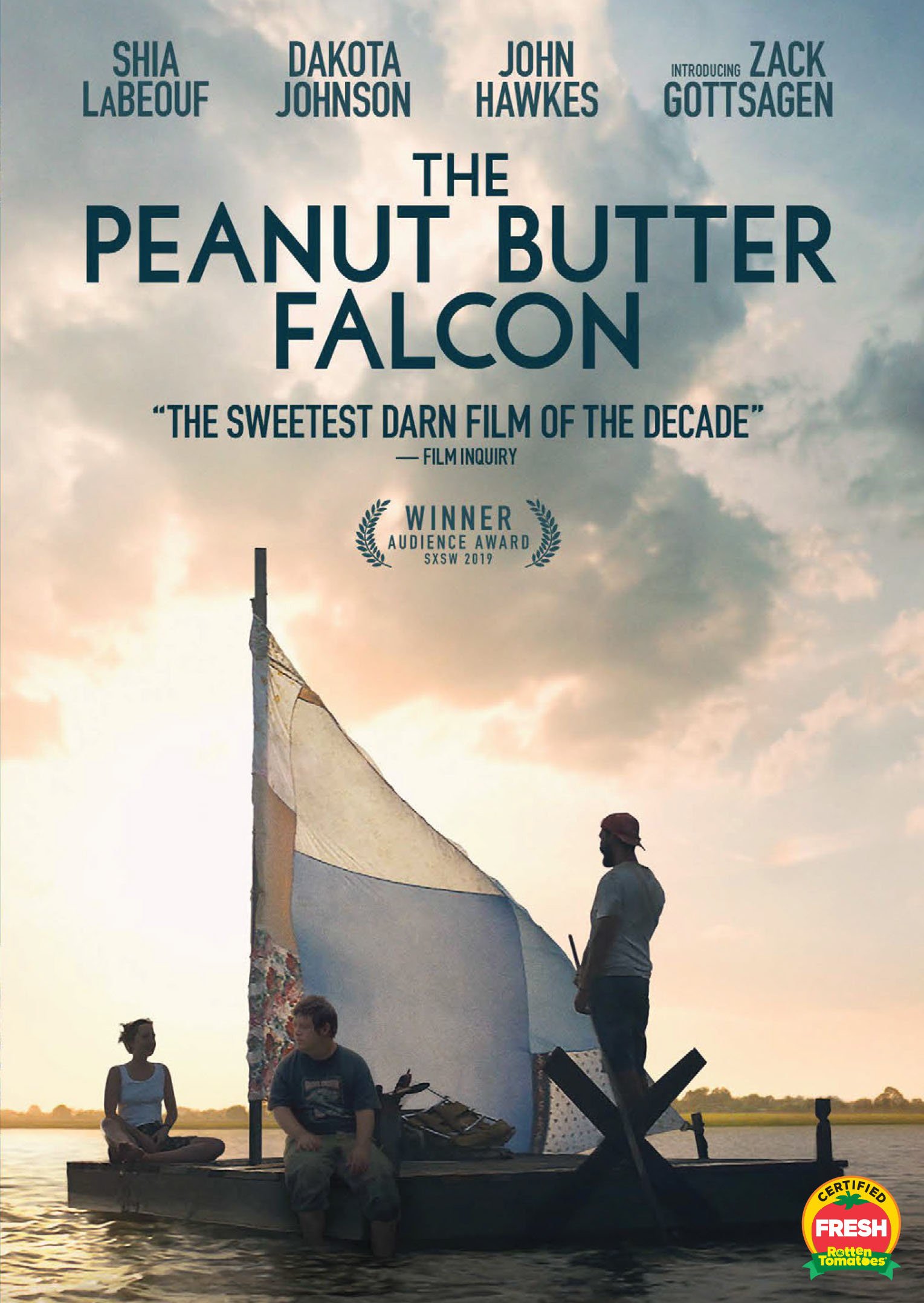
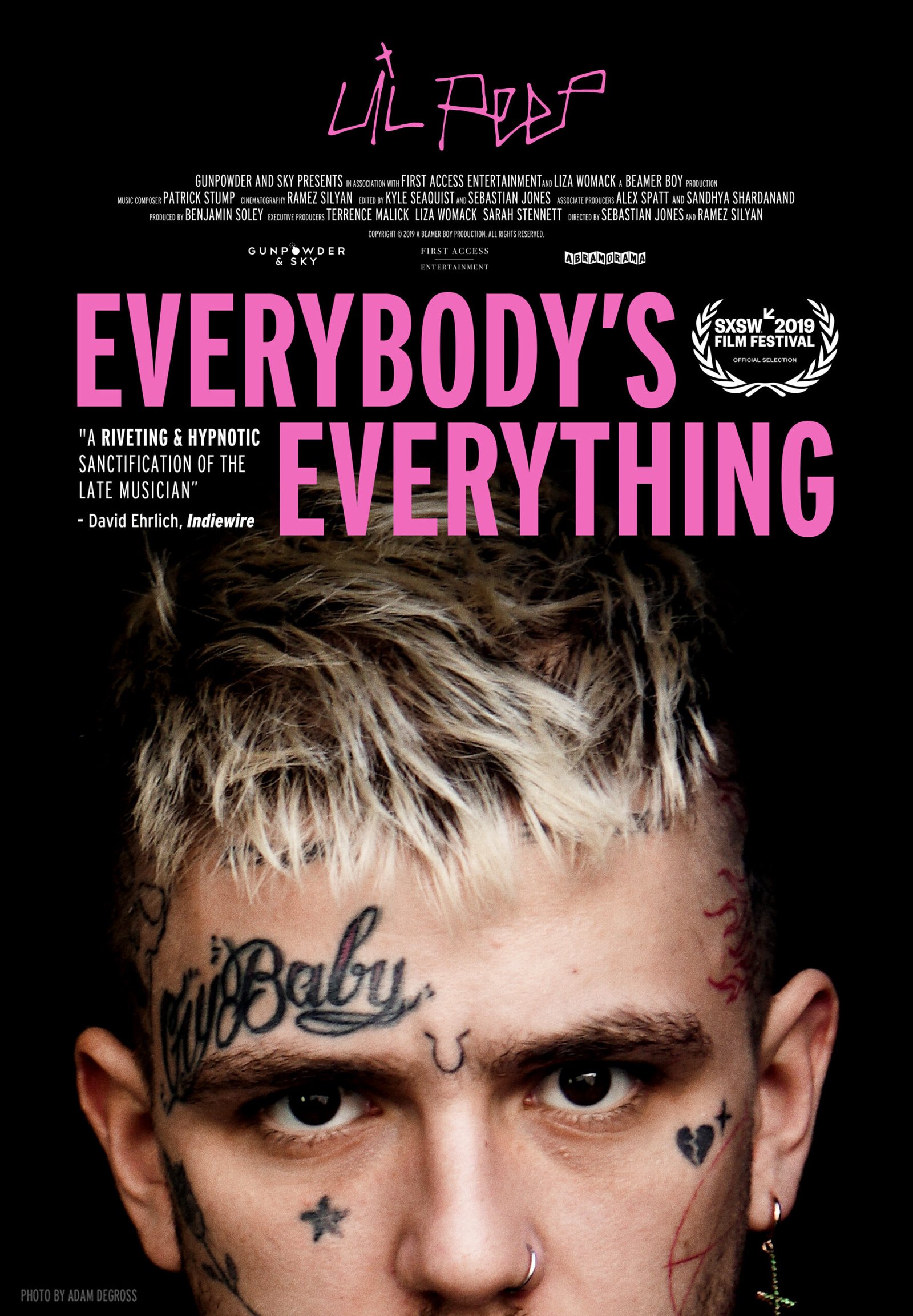
    You might think this makes your content less professional. But service-deals can be very successful. This year, Roadside Attractions has made over $20-million at the box office for Peanut Butter Falcon, and it has a 95% rating on Rotten Tomatoes. Abramorama just made $320,000 in one night for the Lil Peep documentary Everybody’s Everything, plus another $350,000 internationally, and is on track to make a couple Million or more. Importantly, a majority of the attendees were Gen Z audiences who don’t normally flock to theaters. (It should be noted that both Roadside and Abramorama do a mix of traditional distribution and service-deals). I’ve helped Patagonia release the film DamNation without a distributor, and we premiered at SXSW because they liked the film and it fit our timeline, and then played over 600 film festivals, did a full theatrical release, played every Patagonia store in the world, went for sale on Vimeo 30 days after our NYC premiere, and then sold the film to Netflix, and to NatGeo for a second window broadcast. All without a distributor.

    The point is, there are many ways to find an audience and achieve success, and with a service-deal or hybrid release strategy, brands can take more control of their distribution. What sounds better to you – following the “rules” and waiting in line for a festival premiere and hoping someone buys your film and takes it to audiences? Or breaking these rules and being in control of how your film reaches audiences, when and through what mechanisms. Why put yourself at the mercy of festivals and the market when you can go directly to your market on your terms? The truth is that both strategies are fine, and require different degrees of work, money and time, but brands should stop thinking they must work with the system and build a new one instead.


    About Brian Newman

    Brian Newman, founder of Sub-Genre, consults on content development, financing, distribution and marketing to help connect brands and filmmakers with audiences. Clients include: Patagonia, REI, Keen, Yeti Coolers, New York Times, Shopify Studios, Stripe, Sonos, Sundance, Vulcan Productions and Zero Point Zero. Brian is the producer of Love & Taxes, The Outside Story, and The Ground Between Us, and executive producer of Shored Up. Brian has served as CEO of the Tribeca Film Institute, and is on the advisory board of the Camden International Film Festival.