Blog

  • Vox Media and the Art of Storyhunting

    Vox Media and the Art of Storyhunting

    In April of 2019, Vox Media acquired Epic, which includes Epic Magazine, the nonfiction storytelling powerhouse, and its sister company Epic Digital, the true story consultancy and content studio for leading brands.

    Vox Media, the leading modern media company known for building media brands and the technology that enables them, grew this year in a merger with New York Media. It’s editorial networks now include Vox, The Verge, SB Nation, Eater, Polygon, Recode, Curbed, NY Mag, Vulture, The Cut, Intelligencer, Grub Street, and The Strategist. The diverse storytelling and advertising businesses within Vox Media include the Concert publisher-led marketplace, the Vox Creative content studio, the Chorus publishing platform, and the company’s entertainment division Vox Media Studios, which includes the Vox Media Podcast Network and now, Epic.

    So how does a thriving media company with a broad audience and a bullpen full of advertising partners implement an elite squad of veteran journalists and non-fiction storytellers? By telling incredible brand-funded stories, of course!

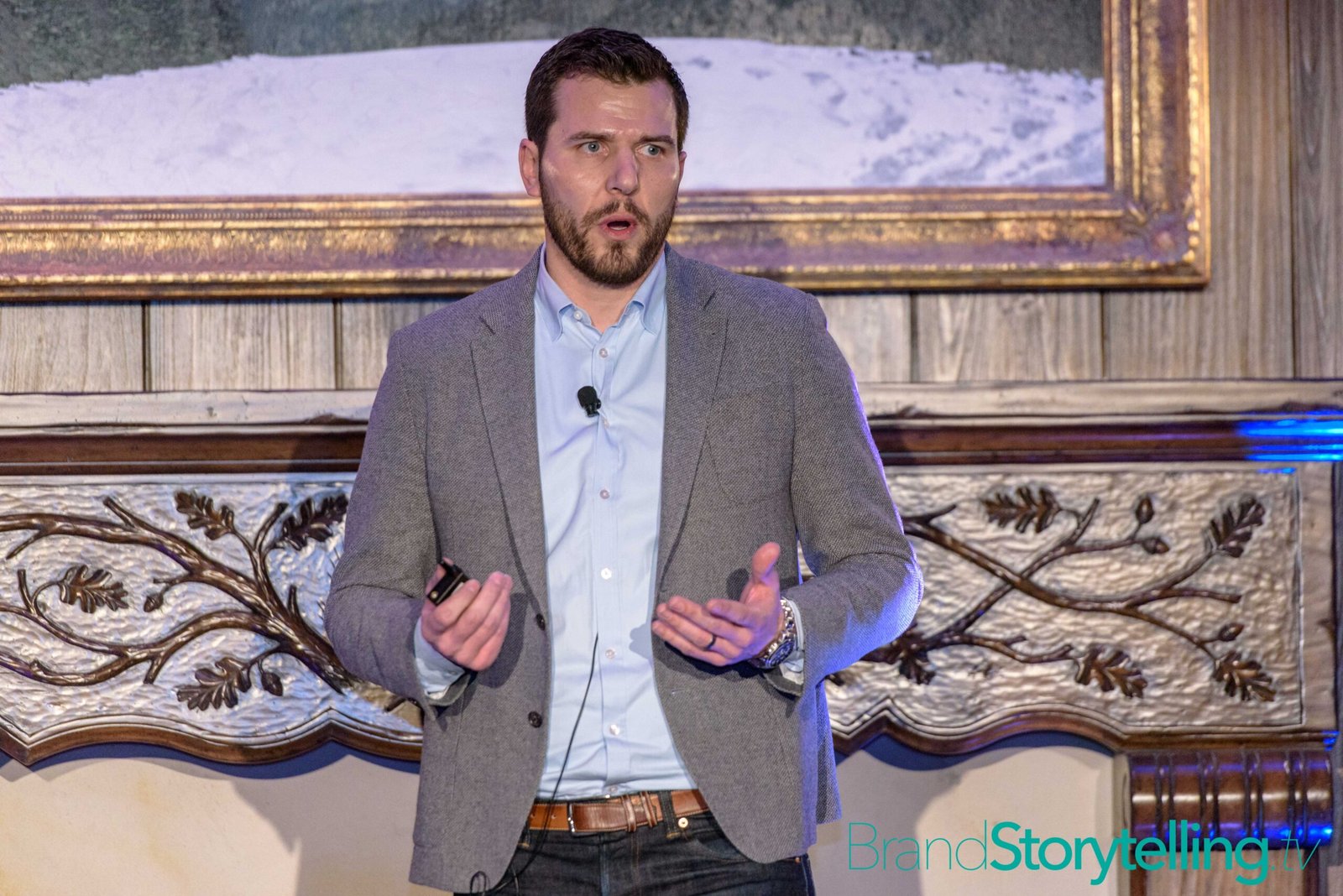
    We caught up with Zach Kazin (Director of Creative Strategy, Vox Creative at Vox Media) to learn more about how Epic functions to elevate projects within the Vox family and what it means to invest in bringing real, good stories to life:

    Can you tell us a little more about Epic and why Vox Media sought the company out?

    Channeling journalistic principles, Epic Magazine & Epic Digital were founded by Josh Davis and Josh Bearman – reporters with roots at Wired, This American Life, GQ, and Rolling Stone – in 2013 to publish extraordinary true stories. In addition to stories published in Epic Magazine (and commissioned for other publications), Epic was notable for Vox Media for two key reasons:

    (1) The stories that Epic finds have become a pipeline for Hollywood (TV, Film, OTT) development; more than 40 of Epic’s articles have been optioned by Hollywood, including Argo, which won the Academy Award for Best Picture. This was a natural way to grow the Vox Media Studios division.

    (2) Epic partners with brands to find true stories of real people that express that brand’s values. Notable projects include work with Google, Ford, GE, and IBM (see more here). For brands, Epic offers its unique Storyhunting service: Epic story hunters travel the world in search of true stories; we then present ideas for how each story could come to life; and finally we turn the stories into documentary films, magazines, books, video games, photo essays, live events, and speeches. This was an approach to storytelling for brands unlike any we’d seen on the market, one that we knew would further differentiate Vox Creative, our leading branded content studio.

    Epic has lived within Vox Media for the better part of a year now – what have the applications of their expertise been within the Vox Media network?

    On the Vox Media Studios side, we are building a pipeline of projects. Most notably, our Apple TV+ project, “Little America,” will debut its first season on Friday, January 17, 2020. Inspired by the stories first reported in the Epic Magazine series of the same name, “Little America” goes beyond the headlines to bring to life the funny, romantic, heartfelt, inspiring, and surprising stories of immigrants in America. The series has already been renewed for Season 2.

    On the Vox Creative side, Epic Stories is now at the core of all non-fiction storytelling created by our content studio.. At a baseline, we’re able to pair the journalistic expertise of Epic with Vox Creative’s industry leading in-house strategy, production and creative direction. Stepping further, we now offer Storyhunting as a standalone service to Vox Media’s many brand partners (which can be executed and commissioned in a variety of ways).

    How does a Storyhunt with Vox Creative work? Are there any examples you can share?

    Epic’s Storyhunting is based on finding the right stories. Most projects that Epic produced prior the Vox Media acquisition were delivered to brands as assets or stories for clients to use. Vox Creative, by contrast, generally creates content tied to distribution plans, and typically, using the authoritative voices of our 13 editorial networks.

    The combination – when employing a full story hunt – is a new way of tying this all together for brands. The process itself is simple: we start with a brief, followed by a few weeks of storyhunting in the field, followed by “storytime” sessions where we review the stories with the client. From there we determine where the story best lives, on its own merit and based on the marketing KPI we’re trying to meet, and execute accordingly by creating the desired content deliverables and distribution plan (or, in some use cases, the storyhunt itself is the deliverable).

    Currently, Vox Creative, Epic, Digitas and KitchenAid are working together on a project that employed Storyhunting services, which will become a 3 part digital video series and a ~22-30 minute doc, and will release through a digital distribution campaign across the Vox Media ecosystem.

    Often times brands can see the intrinsic value of investing in telling a story, but that doesn’t always translate to fiscal value. What do you do to account for that?

    As more brands are interested in longer formats and more in depth storytelling – be that docs, series, or otherwise – they still typically are tied to marketing initiatives. Campaign KPIs pegged to a campaign timeline (or fiscal year) don’t exactly follow the same model as Hollywood development and distribution (which can take years). So taking the plunge into these more ambitious projects can be a hard sell up the chain for a brand leader and their media and content agency counterparts.

    The benefit of the Vox Creative + Epic model is that we can do both: build a content program complete with campaign deliverables and KPI driven distribution goals within a certain flight AND develop the basis for in depth storytelling projects.

    How can brands get involved?

    To talk Vox Creative + Epic, Zach Kazin, Vox Creative’s Director of Creative Strategy, will be at Brand Storytelling. You can reach him at zach.kazin@voxmedia.com.


    About Zach Kazin

    Zach Kazin is the Director of Creative Strategy for Vox Creative, Vox Media’s content and creative partnerships division that connects brands to audiences through content and storytelling. The group leverages the editorial voice and insights of Vox Media’s diverse networks: Vox, Eater, SB Nation, The Verge, Polygon, Recode, and Curbed, NY Magazine, Vulture, The Cut, Intelligencer, Grub Street, and The Strategist.Since starting in 2018, Kazin has led the strategy for a number of Vox Creative’s most multifaceted partnerships, including it’s first major documentary project utilizing the 2019 acquired Epic Digital’s Storyhunting services.Zach previously was the Global Director of Digital Platform Partnerships at Red Bull Media House, overseeing the brand’s media relationships and content strategy with platforms including YouTube, Facebook, Twitch, and TikTok, growing the brand and its sponsored athletes and talent impact on communities worldwide. Through growing programs like the once-grassroots (and now MASSIVE) Spanish language freestyle rap competition Batalla de los Gallos, to turning an athlete into an influencer via YouTube strategy (ie. Jason Paul), to disrupting Twitch with athlete-hosted live streams of anything from Mountain Biking to Red Bull Flugtag, Zach continually led innovation designed to super-serve communities and drive audience engagement.Prior to Red Bull, Zach spent two years at Aol leading video distribution partnerships, ran a small production company (Illium Pictures), and started his career at Lionsgate Entertainment, building TV network brands (most notably, an effort to transform streetwear retailer Karmaloop into a multi-platform media company, Karmaloop TV).
  • Brands as Equity Partners in IP?

    Brands as Equity Partners in IP?

    Will success of J&J’s 5B inspire more brands to invest?

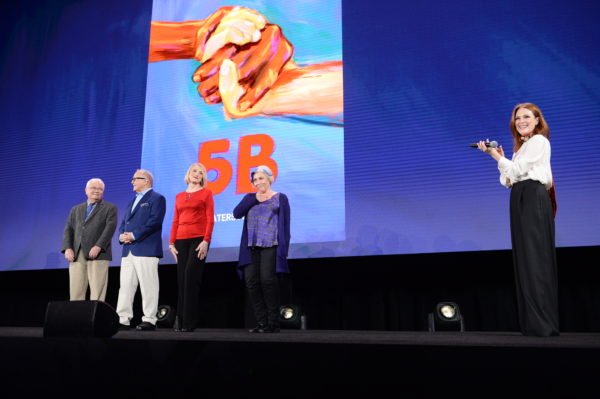
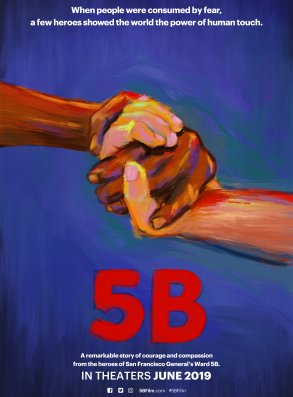
    Verizon Media announced on April 30 of this year that it would acquire the Johnson & Johnson funded film “5B”, and besides a theatrical release, would leverage its media prowess to promote viewership. “In addition to the theatrical release, Verizon Media will also amplify 5B across its ecosystem of nearly one billion global consumers and will create additional immersive content experiences using technology to enhance the story, compassion and humanity showcased by the nurses and caregivers at the forefront of the film,” according to the press release.

    Wow! Is this a home run for J&J or what? Nobody is saying what the production budget was and the size of investment, but you have to think that J&J is seeing a pretty keen ROI here. Besides the money they will receive for sale of the film, the sheer number of impressions and brand association has to make the execs who green-lighted this project feel pretty great. And oh yea, the film was accepted into the Cannes Film Festival and won a Cannes Entertainment Grand Prix.

    The success of 5B and the attention it has garnered over the past several months (Brand Storytelling was proud to screen the film on January 26 in Park City) has had to grab the attention of major brands that are considering investment in feature films or series and taking an equity position. If brands are moving money into content, why not make investments that can earn at least a portion of their money back in the sale of that asset while still earning the brand attachment to the story? Certainly, J&J will enjoy the brand association to 5B, an important story that sheds light on the essential role of nurses and the agony suffered by the gay community from the AIDS epidemic.

    Brand Storytelling recently partnered with Participant Media and The Harris Poll in a survey of over 500 marketing executives to gain insights around brand-funded entertainment and specifically their interest in impact entertainment. The data is revealing! Most are planning to dial up investment in impact entertainment: 3 in 4 members of the C-Suite say they are comfortable investing time, money, and effort into impact entertainment (74%), and that the business case is strong for to invest in impact entertainment (74%). 86% of the C-Suite plan to increase or retain entertainment spend over the next 3 years, including nearly half (45%) who say they plan to spend more. The complete results of this survey will be presented at Elevate on July 29 along with the release of an accompanying White Paper that includes interviews with top brand marketing executives on this topic of brand-funded entertainment and impact issues.

    Does this data portend the future for brands and their potential investment in impact issues and entertainment projects? Time will tell, but so far the evidence is pretty slim as there are very few films or series that are brand-funded. But, we can all imagine a media world where more advertising dollars are being re-directed to entertainment that is inspiring, educational and impactful. I’m staying tuned…


    About Rick Parkhill

    Rick Parkhill is a B2B media entrepreneur, founder of InfoText, Digitrends, iMedia and BrandStorytelling. A media junkie and observer, infatuated with the impact of media and technology on culture and society. Producer of over 100 advertising and media events, publisher, and journalist.

  • Filming the Future of Disaster Recovery: Q&A with IBM’s George Hammer

    Filming the Future of Disaster Recovery: Q&A with IBM’s George Hammer

    Two years after the waters of Hurricane Harvey have subsided, tens of thousands of Texans have yet to rebuild their homes and businesses because of outdated and inefficient systems of recovery. Technologist Chelsey Delaney, personally connected to these events, believes she can help in the aftermath of a disaster to alleviate this burden for survivors.

    IBM’s new film Bonds of Trust is an emotional glimpse into several intersecting aftermath stories and how the promise of blockchain technology can unite a response community of insurance providers, governments, and citizens to streamline the flow of information and resources to those who need it most.

    Brand Storytelling sat down with IBM Chief Content Officer George Hammer to learn more about the upcoming film:

    Coming off of last year’s film “Code and Response”, the “technology for good” theme that runs through the IBM films is apparent. Are there other content themes you might explore in the future?

    IBM has been around for over 100 years because clients trust us to help them “get from here to there”. Our relationships are built on trust and so we have taken a stance on tech for good. Technology companies must act ethically, responsibly and with purpose. This is not a new theme for IBM. We have long believed that human plus machine is the right solution to build a smarter business and planet. So, “good” is not a campaign for us but it’s in our DNA.

    If there is a sub-theme that you may see come to life more is equality. Last year we did launch an initiative called “Be Equal”. We have been and continue to champion gender equality in STEM.

    What was the impetus behind focusing specifically on Hurricane Harvey in this film?

    We were in a meeting and someone said that towns in Texas are still devastated years after Hurricane Harvey. We then learned that some IBMers built a solution using blockchain that could have helped the people in these towns recover much faster. Finally, we learned one of the IBMers is from one of those towns hit hard by the hurricane and her family lived through the storm.

    We were compelled to tell the story. We didn’t want to just talk about the tech because we need people to care about the problem and demand a solution faster. So we decided to make a documentary and tell a more human-centric story. I hope audiences like it and seek to learn more about how blockchain can bring trust and transparency into any supply chain.

    How does the content team fit within the organization? What’s the reporting structure for the team? Are you classified internally as marketing, PR, or something else altogether? Where does your budget fall?

    The content team at IBM is in Marketing and reports up to the CMO. We are a discipline within overall marketing and not a silo group like an internal agency. That means we are embedded in every business unit, team and campaign. We have leads within each unit who band together like a guild and report to me. Then, we also have a production company with employees all around the world. All together we have between 400-700 content professionals depending if you are including contractors or not. We might be the biggest but we are tightly connected like a family. We also won over 90 awards for content in 2019 and I believe we have quality people making quality content and delivering upon a quality customer experience.

    What comes next for the film? What are your distribution intentions? How will you drive viewership? Is there a paid media strategy for the film?

    This is the premier and then it will be available to audiences via digital channels. We are not going to get into the distribution and media strategy but we have one.

    What can guests of Brand Storytelling expect when they attend IBM’s screening next month in Deer Valley? Who will they meet at the screening?

    You will get to see the film of course. But, our panel will include the people in the film and we are going to spend more time talking about how #TechForGood can make a difference. If you are a brand, come talk to us after about problems or ideas. If you are a media company, come talk with us about anything. If you are a director/producer, come talk with us about ideas related to this film or other ideas we might make together in the future. We look forward to meeting all at the screening or after during the happy hour.

    Bonds of Trust will screen on Saturday, January 25th at Brand Storytelling 2020, a Sanctioned Event of Sundance Film Festival.


    About George Hammer

    George Hammer believes we are in the golden age of content, but face a war for attention. Today’s content has to be exceptional; platform agnostic and audience specific.As a data-driven storyteller, George’s mission is to unite brands and audiences with content that builds relationships and drives action.George and his team of content experts work together to develop content programs and strategies that connect IBM with its audiences and provides the information and tools they desire.His mission is to build the best content team in the world. He leads Content at tIBM and the award winning IBM Originals.

  • Q&A with ‘Elevate’ Trail Leader, Digital Media Expert Fara Warner

    Q&A with ‘Elevate’ Trail Leader, Digital Media Expert Fara Warner

    As marketers move deeper into brand-funded content, how are they proving that their efforts are driving an increase in revenue for the brand’s core businesses?

    Trail 3 at Elevate will focus on answering the question of how marketers evaluate success, as well as shine a light on how brands think about predictive modeling vs. post-campaign measurement. Leading Trail 3 will be award winning journalist and digital media expert Fara Warner.

    We caught up with Warner to key into her expertise and discuss what’s in store for Elevate attendees set to embark on the Measuring Success trail:

    How and why did you begin writing with a focus on digital media and storytelling?

    I have been covering marketing and media for more than 30 years. At The Wall Street Journal and Fast Company, I covered the first Internet boom and its affect on brands and advertising. The intersection between publishing and advertising has always interested me as we depend heavily on each other to reach audiences. The growth of using journalistic methods to tell brand’s stories–what has evolved into branded content–has interested me from my first sponsored program at Aol (This Built America) through to my work at WSJ. Custom Studios leading a team of creatives that worked on campaigns such as Cocainenomics for Netflix and Defy Hunger Together for MINI USA.

    In what ways do brands and their partners get measurement wrong? In what ways do they get it right?

    One key insight from my research is that brands don’t have a great deal of trust in the measurements they receive from partners, be they agencies, publishers or the platforms. This lack of trust comes from a lack of standardization on what metrics matter in branded content. They also point out that everyone in the chain of data has a reason to make themselves look good from the data. But brands truly need clear, transparent data to make decisions either before, during or after campaigns.

    What do you hope the Elevate audience will learn from this session? What real-world business applications might they be able to employ?

    I’d love to see a working group evolve out of this session to determine what metrics are crucial for branded content–and what metrics we can stop looking at or at least reduce our dependency on them. I think a focus on knowledge from data instead of just data for data sake is also a critical discussion we need to have. Finally, how do we make better use of technology to understand how audiences engage, feel and think about the branded content we produce.

    How does an event like Elevate help stoke conversations like this?

    By putting all the players in a room together to talk about tough issues, we get collaboration instead of competition. Elevate offers a safe space to have these conversations where we can be honest and transparent about the challenges facing branded content. I think we all love this sector of advertising. We love the creativity and imagination. But to keep it moving forward we have to clear metrics that truly measure if it’s engaging with real people, not impressions, page views and click through rates.


    About Fara Warner

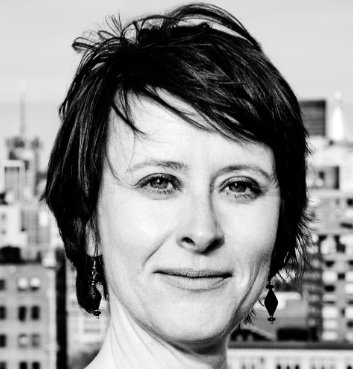
    Fara Warner has worked in every storytelling medium from traditional print, books, and digital publishing to virtual reality films throughout her three-decade journalism career. She is an award-winning author and journalist specializing in the art and science of storytelling in the digital age, new business models for journalism, and the critical need for diversity in creative teams and women’s growing economic and social power. In the past decade, she has led teams of developers, designers, writers, and editors at organizations including The Wall Street Journal and Aol Inc. She is a leadership ambassador for Take The Lead, a nonprofit focused on gender equity and pay parity and is the co-lead in the inaugural cohort “50 Women Can Change The World in Journalism.” She has served as the vice president and global editorial director of custom content at Dow Jones & Company, where she helped lead a team that grew branded content revenue from $14 million to $60 million in three years. She was the editorial director of Aol Inc.’s Tech, Business and Entertainment Group, overseeing editorial strategy and teams for leading finance and technology sites, including DailyFinance, TechCrunch, and Engadget. At Aol, she created and produced the year-long program, This Built America, that explored through documentary video, photography and narrative journalism the resurgence of American manufacturing in the 21st century.She is the author of the best-selling business book, “The Power of the Purse: How Smart Companies Are Adapting to the World’s Most Important Consumers—Women.” She is the recipient of the Howard R. Marsh Visiting Professorship at the University of Michigan where she taught digital storytelling. She holds a master’s degree in journalism from Columbia University and was a 2005-2006 Knight-Wallace Fellow at the University of Michigan. She lives in West Shokan, N.Y. and New York City.

  • FEATURED: Q&A with Creative Agency Other New York

    FEATURED: Q&A with Creative Agency Other New York

    Other New York is a creative agency and branded content production house that is quickly gaining recognition for their innovative and socially conscious approach toward branded storytelling. The name Other New York invokes the city’s reputation as a nucleus for creative talent, while signifying their mission to engage consumers in something surprising, fresh, relevant, and “other.”

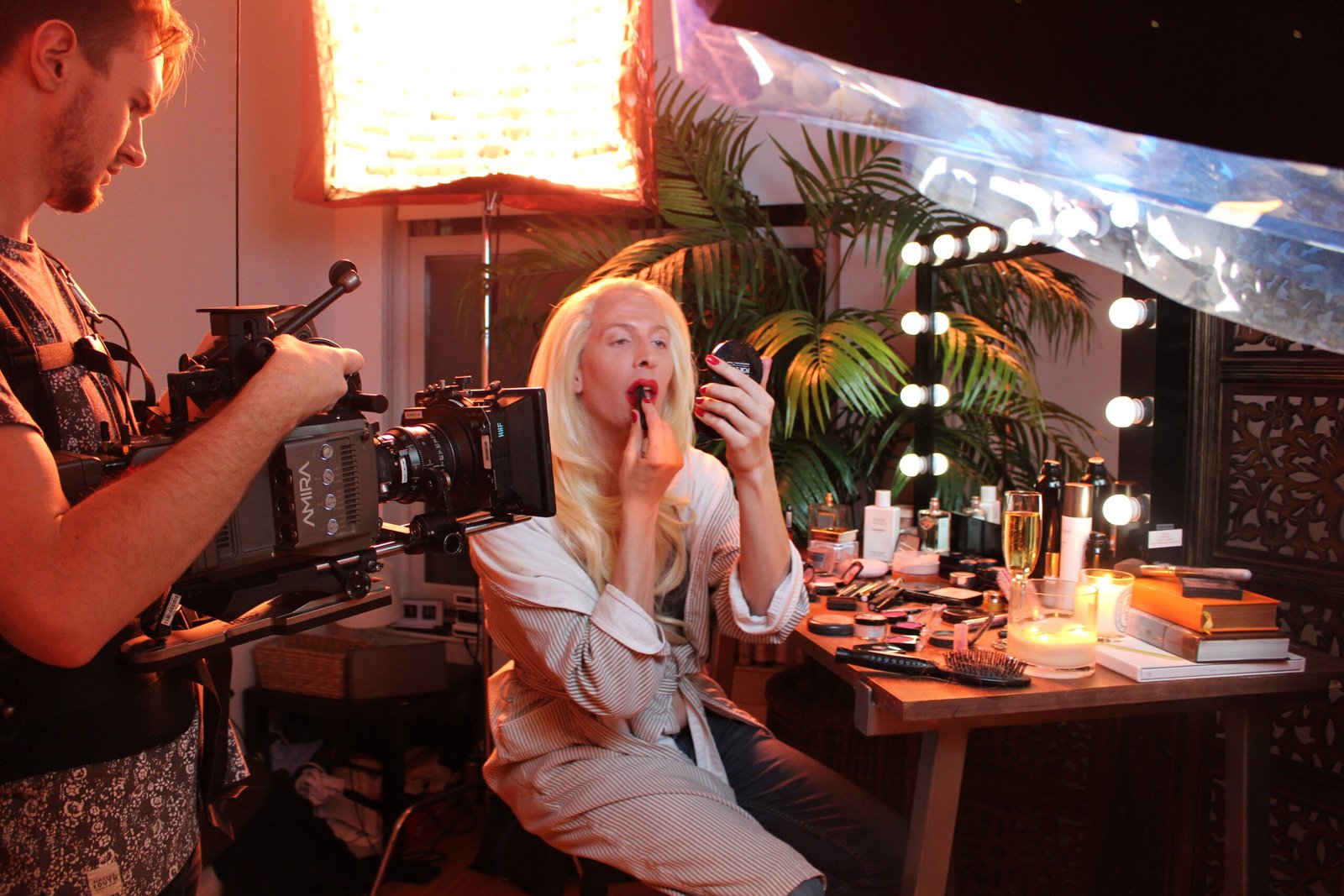
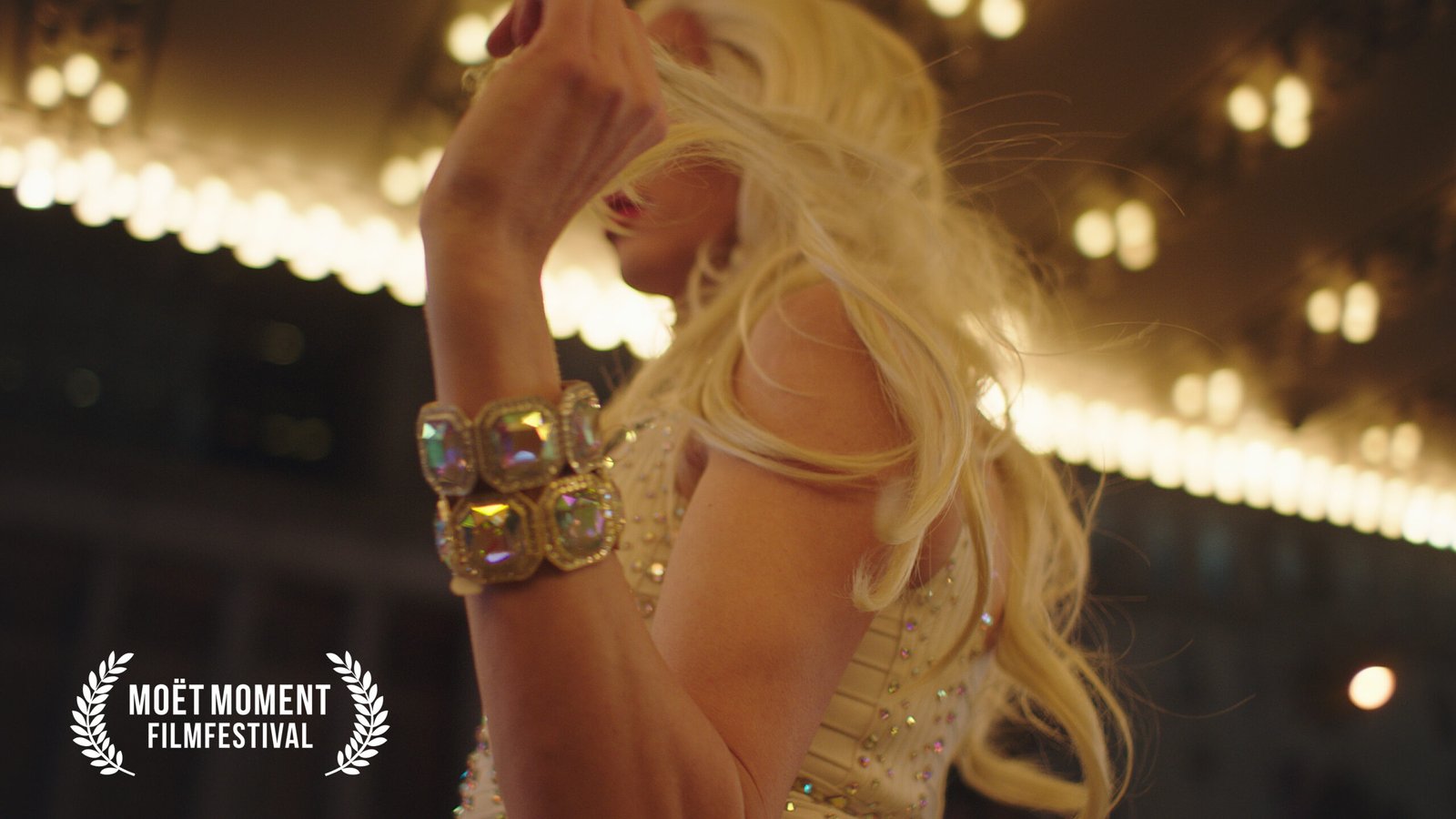
    Recently, the agency created and produced a one-minute film for Moët & Chandon, featuring the brand as the beverage of choice for special occasions while simultaneously telling a story that challenges societal gender-normative expectations.

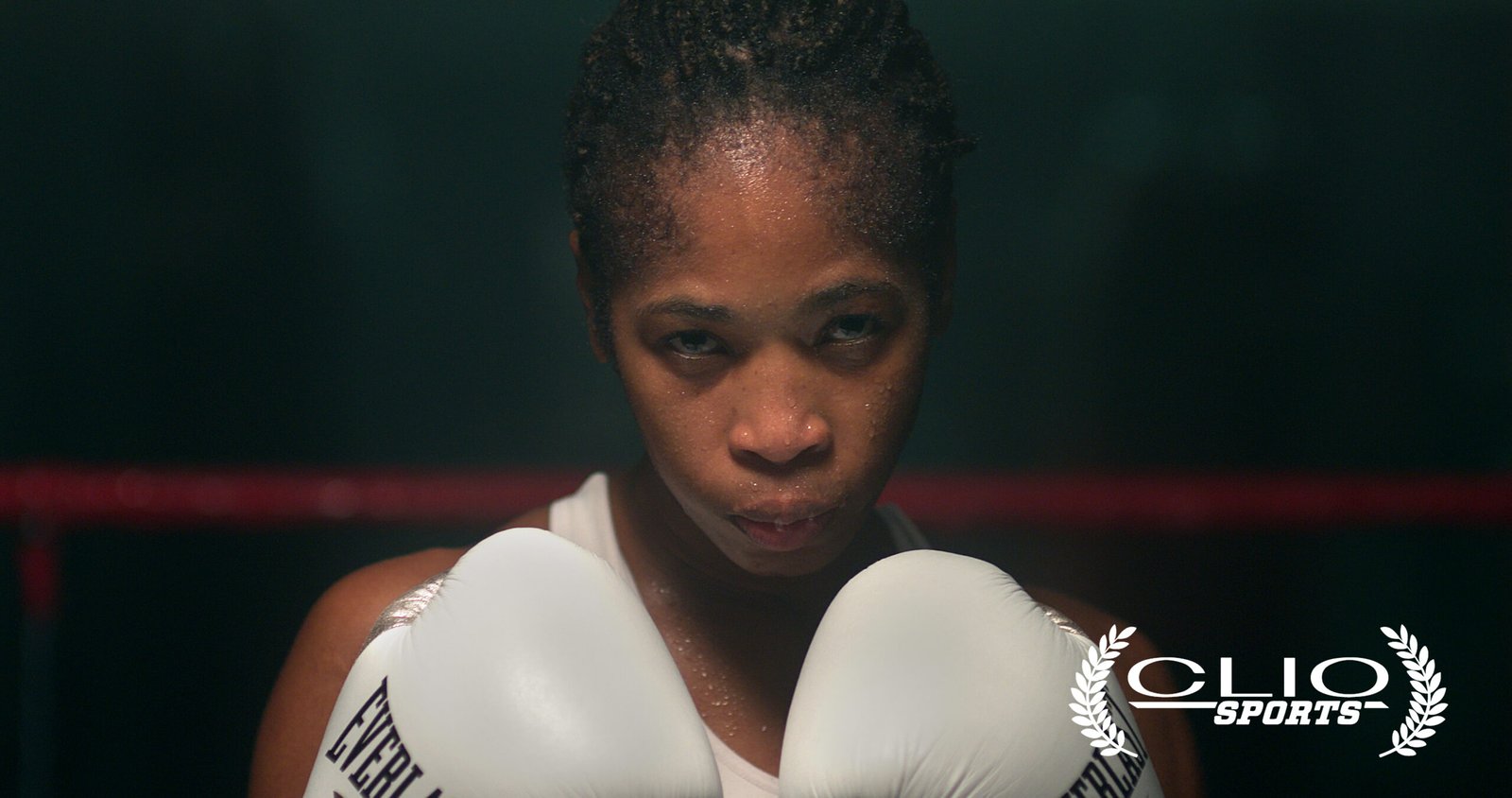
    Other New York’s founding partners, Peter Pascucci, a young artistic filmmaker fresh out of NYU, and Jack Welles, who brings an advertising focus from the School of the Visual Arts, along with newcomer to the team, writer/director Jennifer Parkhill, have made it their mission to use branded content as a platform for starting conversations. Their collaboration yields an award-winning balance of marketing and entertainment that delivers a memorable and thought-provoking narrative that stays with viewers, as evidenced by their recent win of the Clio Sports Silver Trophy for their work with Everlast.

    Brand Storytelling decided to have a conversation with the Other New York team to find out more about their commitment to balancing art and advertisement, using branded content to spark a conversation, and the source of their inspiration.

    Can you speak to how Other came about? Why are you called “Other New York”?

    While working on a spot for the Moët Moment Film Festival, it occurred to us that there is a real opportunity to create work that gives voice to marginalized groups in New York City and beyond. The concept of being “othered” is something we feel motivated to bring awareness to. The name invokes New York’s reputation as a nucleus for creativity and culture, while simultaneously signifying our mission to engage consumers in something surprising, fresh, relevant and socially aware.

    What is your approach to building stories specifically for brands?

    Part of our creative process is thinking about social issues that exist in the space of the brand. We craft a story around a statement. We see social problems and issues as opportunities for marketers. For us, it’s a more interesting approach. In the instance of Moët, we placed a drag queen at the center of the film, it allowed us to bring an often neglected and integral part of New York City culture out of the shadows and into the mainstream while infusing the topic with levity and empowerment. Brands have the power to take on these issues. Problem solving is the heart of advertising.

    What type of dialogue do you seek to spark with your work? Who is that dialogue supposed to exist between?

    The dialogue is multifaceted. We want to create media forest fires. It’s about creating things that people feel compelled to share. We live in a world where words often fail us when it comes to conversation but art can can break the wall. It’s between the brand and the consumer, between mothers and fathers, between marginalized groups and is about getting people to look over the fence and talk to their neighbors. Simultaneously, we believe there is room for more radical content to reach an otherwise untapped consumer.

    The three of you are all newly-minted graduates, artists entering the working world. Why take on the task of turning advertisements on their head and away from the traditional? Why work in the branded space?

    We work in the branded space because we see an opportunity in the typically dull advertisement. We are culture consumers who want to push the status quo of advertising with radical thinking.

    Your work with Everlast garnered accolades and earned you a Clio because of its roots in social consciousness. How do you define socially conscious content?

    As millennials, we are sick of seeing ads that’s sole purpose is to sell products. Our reason for creating socially conscious content came from the desire to align with brands that we can identify with. It’s about holding a mirror up to ourselves and being brave enough to say that we are part of the problem and then holding ourselves accountable and hoping that others will follow.For us, it’s about approaching relevant topics, or social issues and using our work to start a conversation, It all starts with identifying the problem. We can’t talk about the problem until it has been named.

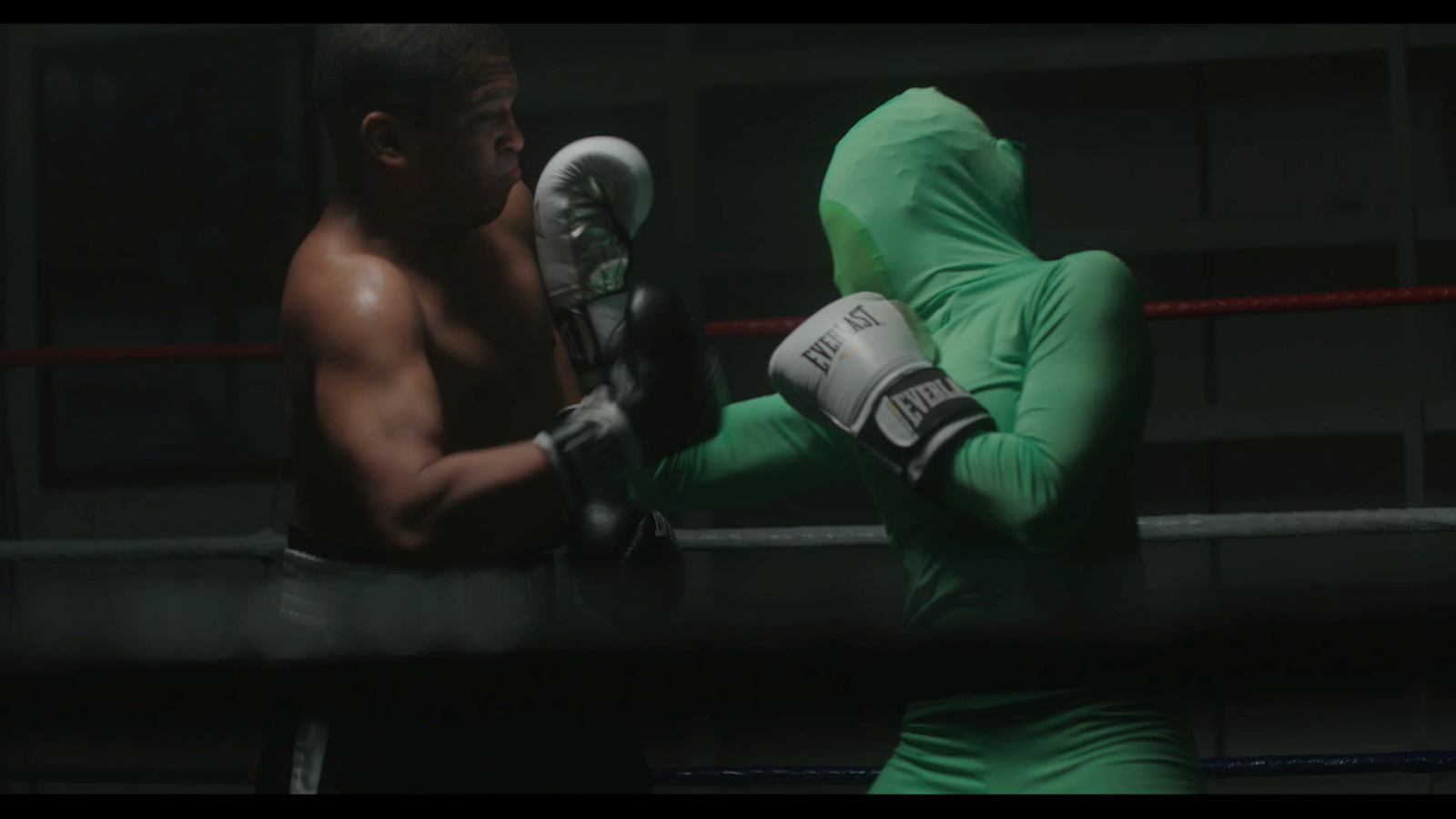
    For Everlast we began by working with the insight that women are only represented in 8% of televised sports media. This spot became a literal visualization of the significant lack of female athletic media coverage and drew upon the notion that even the greatest professional female athletes are nearly invisible in sports media. Overall it aimed to raise awareness and start a wider conversation on the topic of female athlete’s representation in sports media.

    You seem to have a unified and singular vision that is pervasive throughout your work. What is that vision? What is your mission?

    Our vision is to create work that is future proof and creates lasting relationships between brands and consumers.

    Why do you think storytelling is becoming so important to advertisers? What does this mean for your own work?

    Advertisers are being forced to join the times. What people need right now is a good story and to form relationships, not only with one another, but with the products they use every day. Every piece of content is an opportunity to make something artful that people will choose to engage with. We see enough revenue driven ads in Times Square and on billboards on the 405 every day. What we need are stories which will stay with us and make us feel connected to something bigger than ourselves. We think about the kinds of ads that stir and compel us, then strive to make the kind of work we would want to watch.

    What are you working on now? Anything you can share?

    We are looking for brave clients that want to work with us to disrupt the model.

    To see the work of Other New York, visit their website: www.otherny.com

    Peter Pascucci is a New York City based filmmaker, born in Syracuse, New York. He has worked largely in NYC for production companies such as Phoenix Media Group, and Click3X, bringing him onto projects for Samsung, IBM, GQ, Glamour, Guggenheim Media, Clio Awards and Mercedes Benz Fashion Week. Most recently, Peter’s narrative work has been awarded by the Russell Hexter Film committee and his advertising work received top honors by both the Moët Moment Film Festival and Clio Sports Awards.

    Jack Welles is a California raised, New York City based advertising creative. In 2017 alone, Jack’s work was recognized by D&AD, One Show, Clio Sports, and the Möet Film Festival. His work has been featured in BuzzFeed, Highsnobiety, Vice, AdWeek, & Creative Review. Jack has worked for several advertising agencies including Ogilvy and DDB.

    Jennifer Parkhill is a New York City based director, writer and actor, raised in California. She received her Bachelors in Fine Arts from the Tisch School of the Arts with minors in creative writing and film production. She has worked as a staff writer at Brunch Mag NYC, as the associate artistic director of Five Bridges Theater Company NYC, an ensemble company member at the Flea Theater NYC, and is the screenwriter and star of Far Rock, recently awarded by the Russell Hexter Film Committee.

    Watch for weekly news updates from Brand Storytelling in your inbox by subscribing, and share this with other storytellers in your network.

    Of course, if you’d like to contribute to the story, We’d love to hear from you. Email us!

  • Brand Integrations Within The Comedic Digital Landscape

    Brand Integrations Within The Comedic Digital Landscape

    Every great ad has a solid baseline, that special something to draw you in and keep you watching. Simple enough. Whether it be the use of a talking baby, cute animals, sex appeal, a heartfelt moment between a parent or child, or maybe just hitting you over the head with stats and data in the form of big animated numbers. All of which are effective enough to keep you from skipping or fast-forwarding on to your regularly programmed content. However, there is one theme that almost no one can resist: Comedy.

    We’ve all been there. Sitting around watching TV with a group of friends or family when the commercial break hits. A regular point in time to disengage and resume conversation, when all of a sudden you’re struck with that all too familiar cadence; a joke is brewing in the 30-second spot playing on your TV. It’s not so easy to ignore. Comedy is infectious. Even if you’ve seen the spot over and over again, you still watch and excitedly let out that familiar phrase; “Have you seen this one? It’s hilarious!”.

    Fortunately, for comedians, comedic networks and their brand partners, humorous content curated for online distribution has a habit of going viral. Not only is there value for a consumer in viewing the content, but even more value in being the one to share it with their friends on facebook or twitter.

    I visited the office of Above Average in New York City, and sat down with both Doug Bandes (SVP, Revenue/Brand Partnerships), and Jennifer Danielson (President of Above Average) to discuss how they are creating lasting relationships with brand partners looking to integrate into either existing content on Above Average channels, or to have the production company create completely original content for their brands.

    Bandes had this to say; “Whether it’s a home improvement company, a travel company, an auto company… we can find a way to interject humor into whatever types of genres or verticals that are really wanted to go after…”

    Watch the full story in here or by clicking the video below…

    Watch for weekly news updates from Brand Storytelling in your inbox, and share this with other storytellers in your network.

    Of course, if you’d like to contribute to the story, We’d love to hear from you. Email us!

  • Watch: Brand Storytelling 2018 Presenting Partners at Sundance Film Festival

    Watch: Brand Storytelling 2018 Presenting Partners at Sundance Film Festival

    Brand Storytelling 2018 attendees gathered at Stein Eriksen Lodge in Deer Valley, Utah

    On Thursday, January 18th, Brand Storytelling 2018 held its first day of partner presentations, featuring renowned brands all taking great strides in the brand-funded content space. Sharp, thoughtful speakers delivered critical insights into successful brand partnerships, examined the ingredients necessary for the success of new media, and called for progressive action in and out of the boardroom. The diversity of subject matter provided an array of insights to gain and lessons to learn, connected by a single fundamental ideal: that providing value for the consumer by offering information and/or entertainment fosters emotional connections and yields results.

    WATCH THE PARTNER PRESENTATIONS NOW

    Many thanks to our incredible presenting partners for their informative and insightful contributions to the elevation of the business of brand-funded content.

    Allowing Creativity to Organically Change Your Story – Presented by Screenvision Media

    Find out how Screenvision Media used Creativity and Storytelling to change their business; from technology to programming, to sales and marketing, to the development of a brand studio all to create a connected conversation with their audience and brand partners.

    Featuring Matt Arden (SVP + Executive Creative Director at Screenvision Media) and John McCauley (EVP, CMO & Strategic Alliances at Screenvision Media)

    Driving Business Outcomes Through Brand Storytelling – Presented by Content Studio by NBCUniversal

    NBCUniversal shares the power of storytelling through the lens of performance and measurement.

    Featuring “Wendy Wildfeuer (SVP, The Content Studio NBCUniversal)” and Josh Feldman (EVP, Integrated Marketing and Network Partnerships)

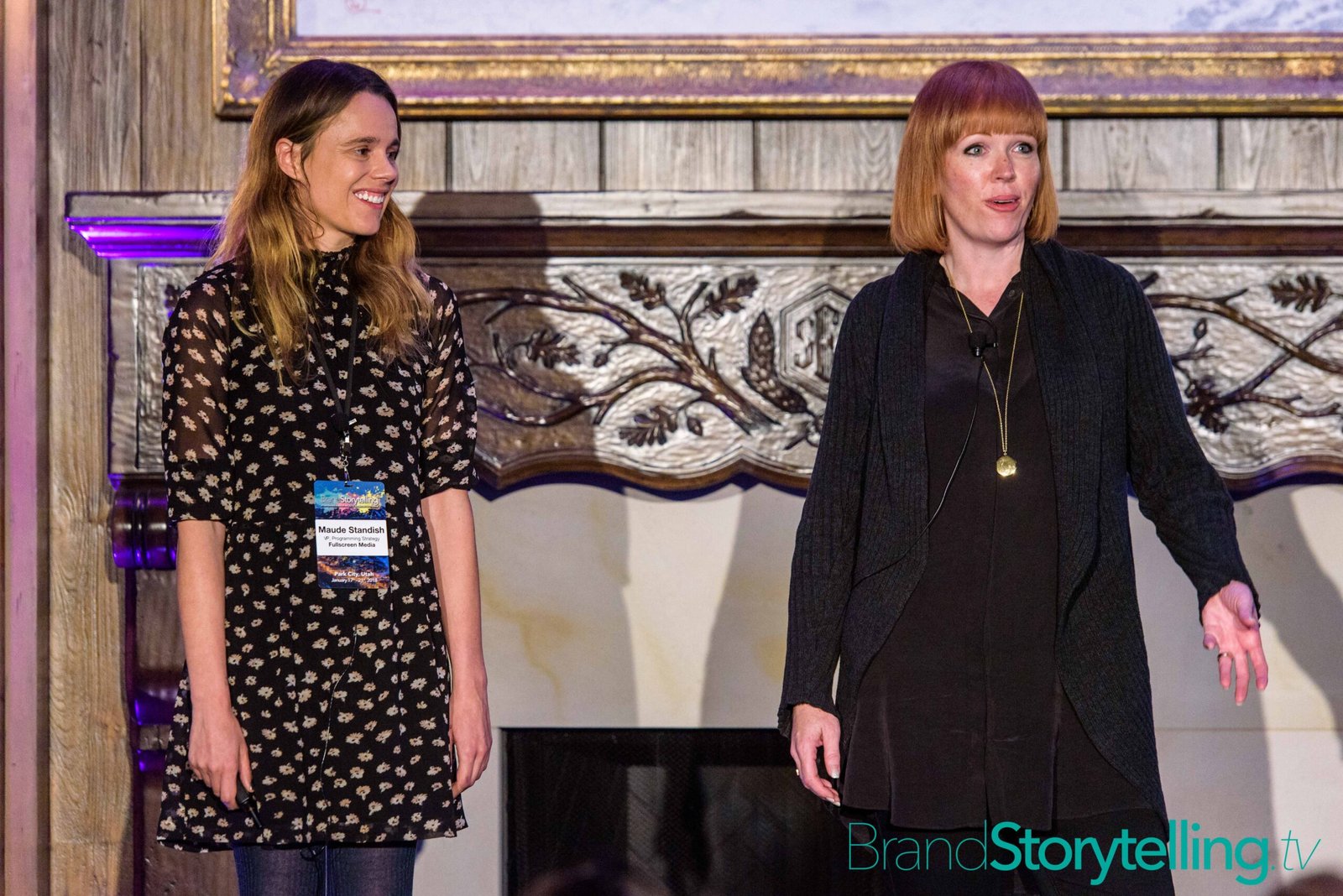
    Later, Haters: Beating Bullies at Their Own Game – Presented by Fullscreen Media

    Bullying isn’t just a tough part of growing up these days; it’s deadly – in fact, so deadly that the Center for Disease Control has declared it an epidemic. In an effort to neutralize this ‘disease’ where it thrives, AT&T Hello Lab and Fullscreen teamed up to take bullying head-on, and they did it by flipping the script. Rather than shaming the bullies, they developed a genuine and engaged community through the innovative entertainment experience of Guilty Party, a web series with bullying in its storyline. Strategically designed to mimic the digital behaviors of Gen Z and Millennials, Guilty Party functioned as a safe space and friend group, inviting the audience to communicate with the characters and with each other. Bullying had no idea what was coming.

    Featuring Maude Standish (VP, Programming Strategy at Fullscreen Media) and Karyn Spencer (VP, Hello Lab at AT&T)

    Further: On the Edge of Impossible –

    Presented by true[x]

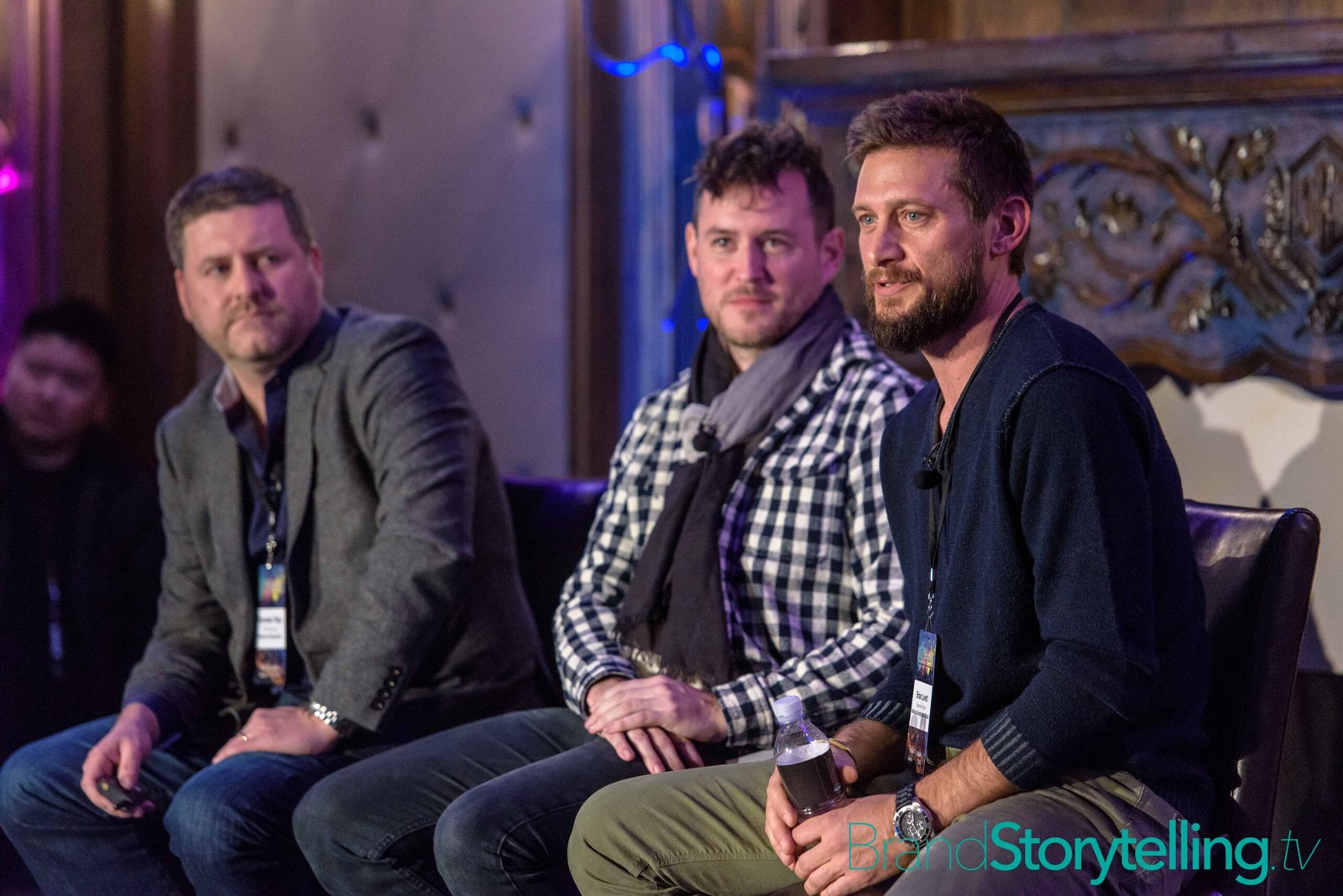
    National Geographic thrives on the edge of impossible. The power of human potential is a theme that has intrigued our curiosity us since the very beginning. And it inspires us still, to go further and explore the limits of the unknown – from the top of Everest, to the depths of the Mariana Trench and to the limits of our universe. In the summer of 2017, National Geographic, in partnership with Nike, and in association with Dirty Robber partnered to explore the intersection of science and the human spirit and tell one of the most heroic and amazing athletic feats of all time with the journey of Breaking2 and the pursuit of the 2-hour marathon. This ground-breaking partnership was built on a foundation of collaboration, and produced an inspiring, all-access global documentary that brings to life the power of human potential and showcases the journey of the Breaking 2 athletes, and the team of scientists and product developers who helped them in their endeavor.

    Featuring Brendan Ripp (EVP, FOX Networks Group, National Geographic), Martin Desmond Roe (Director/Founder at Dirty Robber) and Brian Lovett (VP, Production & Development at National Geographic Studios)

    Finding The Funny –

    Presented by Above Average

    Comedy is inherently emotional. It’s a powerful tool for self-soothing that allows us to reframe our view of a situation by disempowering negative emotions. It is the most socially shared and sought after type of content, and at a time when two thirds of Americans feel uneasy about the future, comedy remains an important lens through which brands can emotionally connect with audiences. Yet, like branded content, there’s no universal recipe for creating great comedy. It all comes down to talent and approach. True to its counterculture roots, Above Average takes an unexpected look backward while others gaze wearily ahead, revealing modern society’s best kept secret to illustrate the true power of comedic storytelling for brands.

    Featuring Ben Zagorski (CRO at Above Average)

    New Platforms, Same Principles –

    Presented by Zefr

    Succeeding On New Platforms Without Compromising What Matters

    Featuring Toby Byrne (President at Zefr)

    Brilliant Storytelling & Big Data Is The Future – Presented by RYOT Studio

    Without data, brand stories are based on speculation. Without compelling stories, data means nothing. As experts in full-service content marketing, RYOT Studio know how to connect brands with people. And we have the tools to make every interaction count.

    Featuring Marcia Lesser (Head of Content Partnerships at RYOT)

    Watch for weekly news updates from Brand Storytelling in your inbox, and share this with other storytellers in your network.

    Of course, if you’d like to contribute to the story, We’d love to hear from you. Email us!

  • Why Influencers are Your Most Important Media Buy

    Why Influencers are Your Most Important Media Buy

    Ricky Ray Butler during BEN’s panel at ‘Brand Storytelling 2018’ in Park City, Utah

    Influencer marketing has continued to evolve and grow entering into 2018. Even though brands have begun to fully embrace the tactic, many are only looking at it as a single item in their checklist and simply going through the motions, when instead it should be something that sits at the core of their businesses.

    Influencers are not digital celebrities
    Part of the problem is that influencers are perceived as “today’s rock stars,” which may be great for an influencer’s ego, but these labels also do a great disservice to influencers because it causes brands to treat them less seriously.

    Picking the right influencers for your brand is not about shooting for the biggest and most popular name on Instagram, but rather, identifying a group of influencers that best fits with the brand’s goals and objectives and is most likely to drive sales.

    Influencers are lead-generation channels that can market products in an authentic way for brands. They are the most in tune with their audiences and can create engaging content. They should not be treated as celebrities, but as a sales channel.

    One-off projects just don’t work

    Brands that choose to go down the micro-influencer route often fail to think about scale and reach. They choose the right influencers, but select so few of them that they don’t scratch the surface or the potential market opportunity.

    There are probably about 5,000 influencers that might fit a brand’s needs at any given time that could get 50 million to 100 million organic views in 30 days. But brands need to take the time to plan right and put in enough budget.

    Ongoing campaigns are also the most effective way to build ongoing relationships with creators and monitor for momentum over time. A brand can take the time to figure out what, and who is producing results and continue optimizing the campaign based off of the data collected.

    Influencers are your most important media buy

    Ultimately, brands need to avoid getting sucked into conversations about guaranteed views and engagement and start looking at influencers in the same way as media buys. Influencers are not a cheap commercial: They need proper research, a compelling creative collaboration, a clear activation strategy and proper measurement to capture tangible results. This is true even of awareness campaigns as they’re still fueling the funnel.

    Influencer marketing is not going away any time soon. The brands that do it right will be the ones that build an infrastructure that supports sales measurement of influencer activity, both in online and in retail stores—something that can only benefit everyone in the influencer ecosystem.


    About the Author:

    Ricky Ray Butler serves as Global CCO at the Branded Entertainment Network (BEN), a Bill Gates Company. Ricky manages all brand relationships and campaigns, supporting our capabilities that include traditional and digital integration services to an impressive global roster of clients that include General Motors, Heineken, Microsoft, Zillow, Pepe Jeans, Hyundai, Disney, Ubisoft and other major global brands we are privileged and proud to be working with. Prior to joining BEN, Ricky founded Plaid Social Labs, the leading social media influencer product integration company, which was acquired by BEN in 2015 to expand reach into the digital influencer community. Ricky has been a leader and innovator in the influencer space representing brands and helping them partner with content creators that have relevant audiences. Ricky Ray has a passion for helping brands increase awareness, establish product credibility and build an active community of brand advocates through the power of product integration. He lives in LA with his wife and daughter.

    Watch for weekly news updates from Brand Storytelling in your inbox, and share this with other storytellers in your network.

    Of course, if you’d like to contribute to the story, We’d love to hear from you. Email us!

  • Brand Storytelling: A Docu-Series

    Brand Storytelling: A Docu-Series

    This January, eighty brand marketing executives, and their agency partners were invited to Park City, Utah to participate in a first-ever Brand Storytelling event held in association with the 2016 Sundance Film Festival. These invited guests were chosen because they are the people pioneering a new era in advertising, media, and marketing. These are the individuals leading efforts in shifting investments away from interruptive messaging, and towards content that delivers value. They are leading efforts to create content that informs, enlightens, entertains, thrills, and endears consumers with their brands.

    Our job was to host this group in Park City for the first weekend of the 2016 Sundance Film Festival, and create a forum where marketers could meet with peers, filmmakers, creators, influencers, and media partners. It was a highly charged crowd of brand storytellers and their cast and crew that gathered for four days. We took the opportunity to talk to a couple dozen of them, capturing over 13 hours of interview content.

    Now, we are near releasing a five-part docu-series that captures the perspective and insights of this highly-charged group, all captured during the 2016 Sundance Film Festival.

    Can Brands Create Content that Makes Money?

    That seems to be the concept that a few brands are pursuing. As CFOs and procurement teams are looking for more ways to cut costs to increase profitability, along comes a new idea; “let’s build content creation competency that can produce branded content while at the same time creating content we can actually monetize.”

    Just read what Pepsi is doing with Creators League:

    Pop Star: PepsiCo Makes Big Bet on In-House Content Creation

    “Our goal is to really behave like a Hollywood studio,” said Mr. Jakeman, president of PepsiCo’s global beverage group. That sounds familiar. I think we heard David Beebe, VP Global Creative + Content Marketing at Marriott International tell us the same thing.

    So, to follow the reasoning here, brands must make an investment in staff and resources to become content machines, producing all sorts of content to engage today’s social media, anti-interruptive advertising consumer. Why not offset the cost of that investment by developing un-branded content that can be monetized in the same manner as a traditional Hollywood Studio? Certainly, that is what Pepsico and Marriott are aiming to do. Who will be next? Interestingly, a major global CPG company has a marketing executive that carries the title “Global Head of Content & Media Monetization.” Media Monetization? What? Huh? Stay tuned…the story is unfolding every day and we will do the best we can to bring it to you.

    Watch for weekly news updates from Brand Storytelling in your inbox, and share this with other storytellers in your network.

    Of course, if you’d like to contribute to the story, I’d love to hear from you. Email me: Rick@BrandStorytelling.tv

  • Brand Storytelling: A Docu-Series [Vol. 2]

    Brand Storytelling: A Docu-Series [Vol. 2]

    Think of the times you may have asked someone that very question. Maybe of a son or daughter as you looked over their report card, or of an alluring stranger sitting at a bar. How many times a day do you look at someone in public and wonder, “What is their story?”

    Really, each of us are a unique brand. That notion is not exclusive to the Trumps, Clintons, Kardashians or Lebron James of the world. We are all brands, and the stories we tell define our values and character. Today, as interruptive advertising is increasingly annoying to consumers, brands are coming to realize how critical it is to tell stories that reflect their values, make people like them, and ultimately, trust them well enough to buy their products and services.

    In this episode, we talk with marketers from Dick’s Sporting Goods, Marriott International, and Mondelez. Each are producing a variety of stories, published on various platforms; from Snaps and Vines to long form documentaries, comedy, fantasy and scripted series. Stories of all shapes and sizes, that are engaging audiences and endearing them to their brands. These brands have taken a bold step towards investing in content that consumers will find valuable and sharable. And, speaking of sharable, we hope you will!

    Watch the Full Episode Here!