Blog

  • Mapping The Trails: Carat’s Shannon Pruitt Discusses Elevate’s ‘Support’ Trail

    Mapping The Trails: Carat’s Shannon Pruitt Discusses Elevate’s ‘Support’ Trail

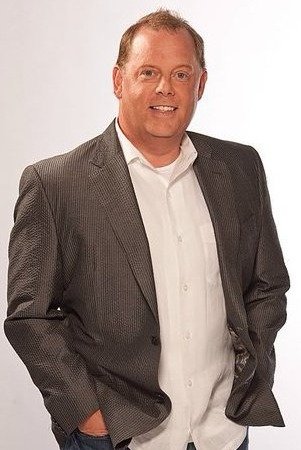
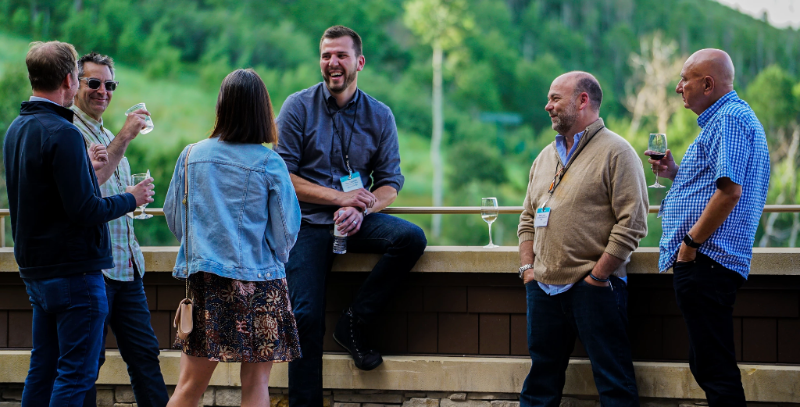
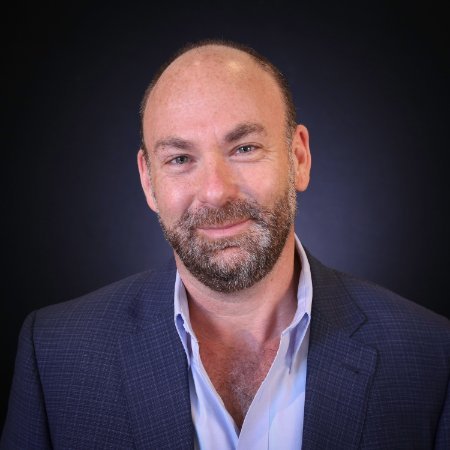
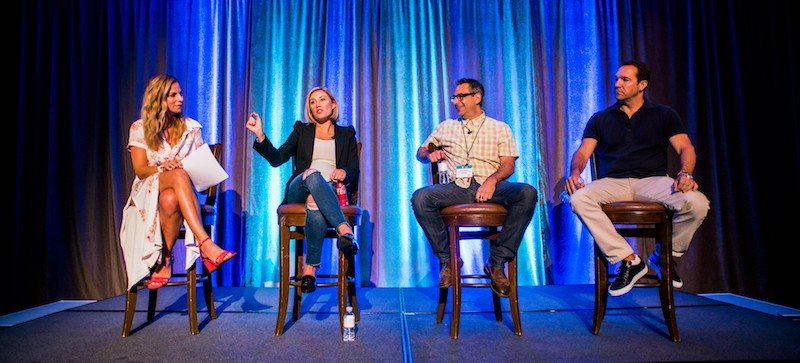
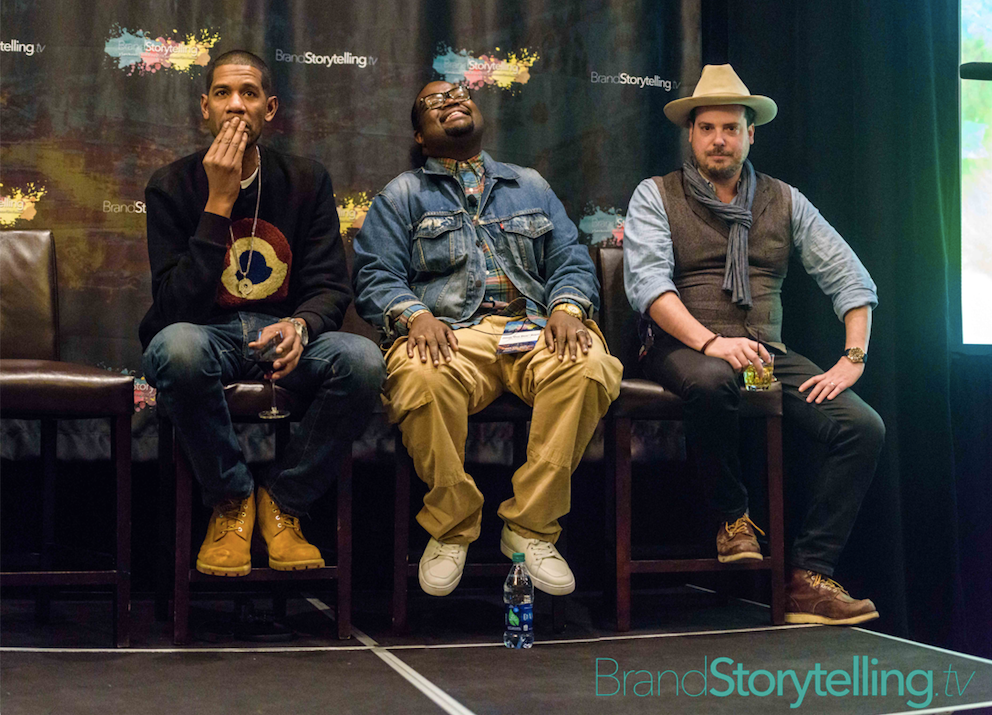
    Pictured: Shannon Pruitt, Kate Santore, Eric Korsh and Chip Russo as they lead the ‘Setting the Scene’ Trail at Elevate 2017. This trail examined what, how and why brands pursue and invest in the creation and distribution of original content.

    Week by week, Brand Storytelling will be bringing you exclusive insight into each of the Elevate “trails” (our clever name for the panels at our summer event), featuring input from our esteemed trail guides.

    This week we’re taking a closer look at the ‘Support’ trail with the help of our highly qualified trail guide Shannon Pruitt, newly appointed Chief Content Officer at Carat USA. We connected with Shannon to discuss the ins and outs of Elevate’s second trail:

    Hey there Shannon! What can you tell us about the ‘Support’ Trail?

    We will explore and discuss the new(ish) frontier of organization around content and creativity and how brand stories are planned for and produced in the new world of people, platforms and technology. The way brands define, create, and co-create their stories in a world where breaking through the clutter and engaging people is more challenging than ever before. In Support, we will go deeper into understanding the opportunities and challenges that executives face internally as much as externally and ways to frame the best approach for your brand.

    What do you anticipate your panel conversation will entail?

    A hopefully rowdy and provocative dialogue about best practices and philosophies on the best placement for organizational responsibility and where they money comes from, who supports and champions the importance of brand storytelling (not just advertising) internally and how it actually happens. Internal vs external? Creative vs content? Media vs publisher? And everything in between.

    When talking about support in this context, what’s the vantage point? Will the question come from one or multiple perspectives?

    This conversation will only be productive and valuable if there are multiple points of view. Brand, Publisher, Media and Creative AOR, Content. Every brand has different challenges and there is no one size fits all solution. It will often be a hybrid or a test and learn, but the more honest and transparent discussion we can have about advantages, disadvantages, frustrations and wins, the more people will be better equipped to have a topical and thoughtful educated POV when they go back to their own organizations.
    What do you anticipate will carry over from the panels into the group discussions?

    Think and hope are different things! I hope an honest discussion about what works and doesn’t, has and hasn’t will be the carry over without agenda to sell or defend a particular model. I would love to see a safe environment for people to share their wins and their losses and why things have or haven’t worked for them.

    What’s the largest takeaway you hope attendees will walk away with from the ‘Support’ trail?

    I hope people will walk away with a more multifaceted POV on what might work for them and a true assessment of where they are in their own journey so as to be able to either create a plan, or make tweaks in their existing plan and structure.

    I understand you have a new title; “Chief Content Officer at Carat USA”. Please tell us about the shift from StoryLab and what this new role entails.

    With the ever changing consumer landscape, it is more important than ever before to use the power and insights from our data to inform creativity and to make it easier for our clients to understand, communicate, collaborate and create their BrandStory to better find and connect with their customers.

    As The Story Lab was moving to more of an entertainment format investment play, my heart lies with working with brands so we agreed that we would move myself, my team and our capabilities into Carat and i would become the first CCO for Carat with an eye to build out what an end to end relevant and personalized brand storytelling (content) experience looks like. From strategy to Partnerships, influencer, original and now DCO, Carat Content will be a core part of the future of Carat and all of its brand clients.

    What are you looking forward to getting out of Elevate 2018?

    I always love meeting and seeing all the folks who are both committed to, and shepherding the discipline of brand storytelling in all its shapes and forms. I always learn so much from listening to the different perspectives, and in my new role as Chief Content Officer for Carat, I hope to be able to bring some learning and new ways of thinking into our own organization as we build the discipline for the future of people’s attitudes, motivations and behaviors.

    About Shannon Pruitt:

    As clients and agencies in the advertising and media world seek digital transformation, Shannon believes the key lies in a true shift to a data and insight-driven, audience-led marketing transformation. Through understanding the intersection and impact of brand storytelling through behavioral/contextual distribution, tech and commerce, she leverages her unique background in working with brands, tech platforms, content creators, IP/rights holders, and media owners giving her an expert ability to quickly understand, adapt and architect marketing strategies, solutions, and experiences that create business results.

    Watch for weekly news updates from Brand Storytelling in your inbox by subscribing, and share this with other storytellers in your network.

    Of course, if you’d like to contribute to the story, We’d love to hear from you. Email us!
  • Discussions & Fireside Chats Followed By ‘A Night of Musical Celebration’

    Discussions & Fireside Chats Followed By ‘A Night of Musical Celebration’

    Discussions & Fireside Chats

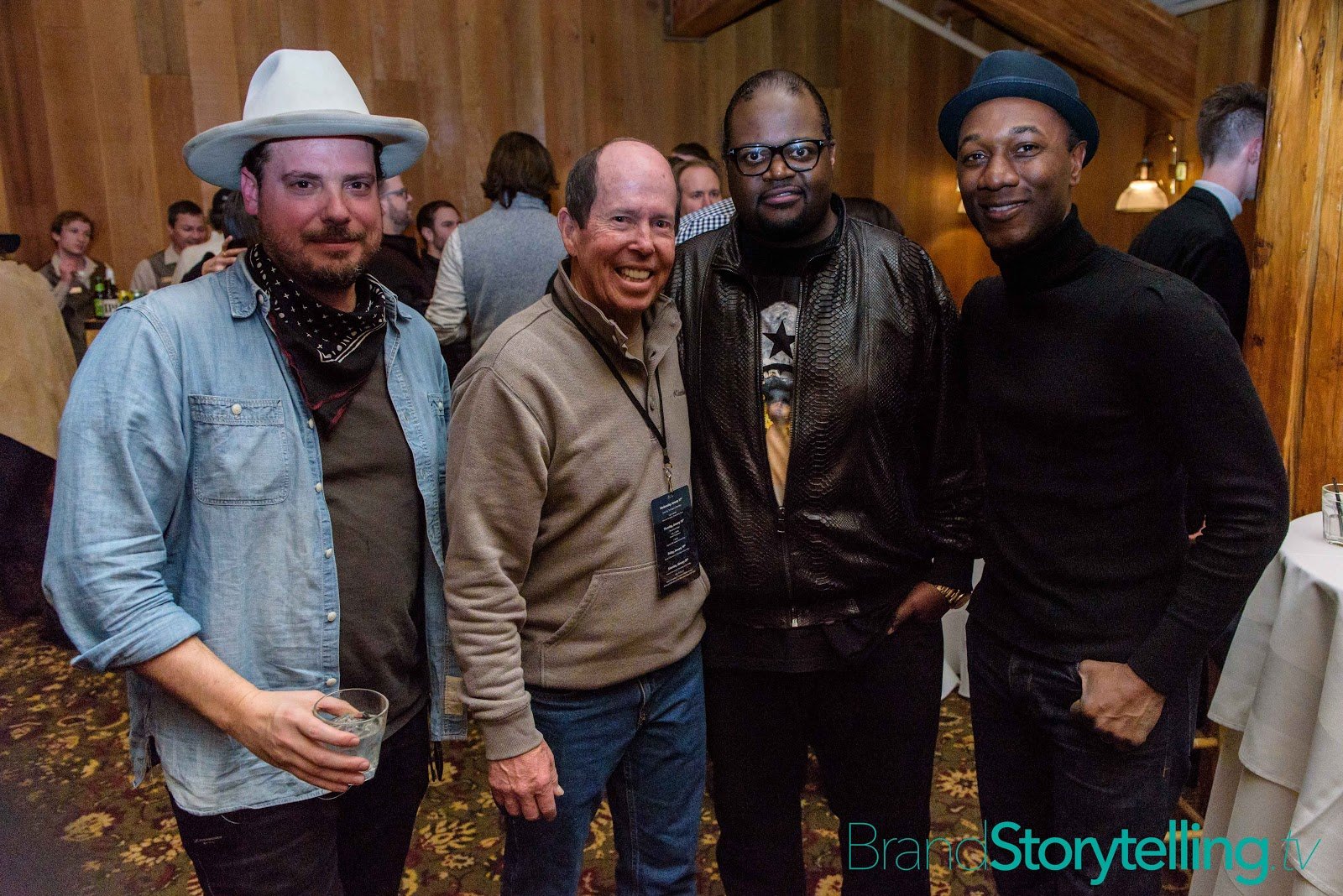
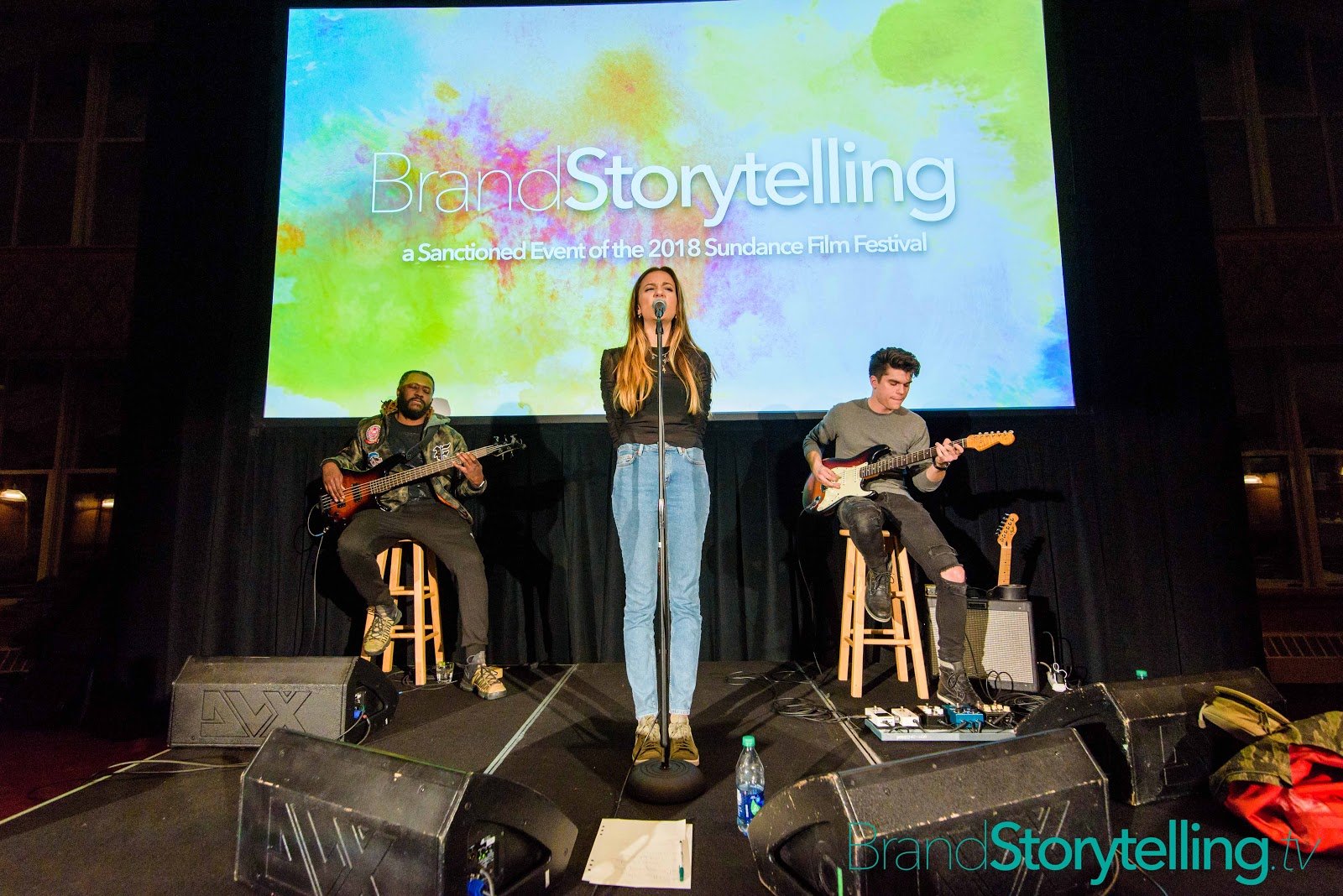
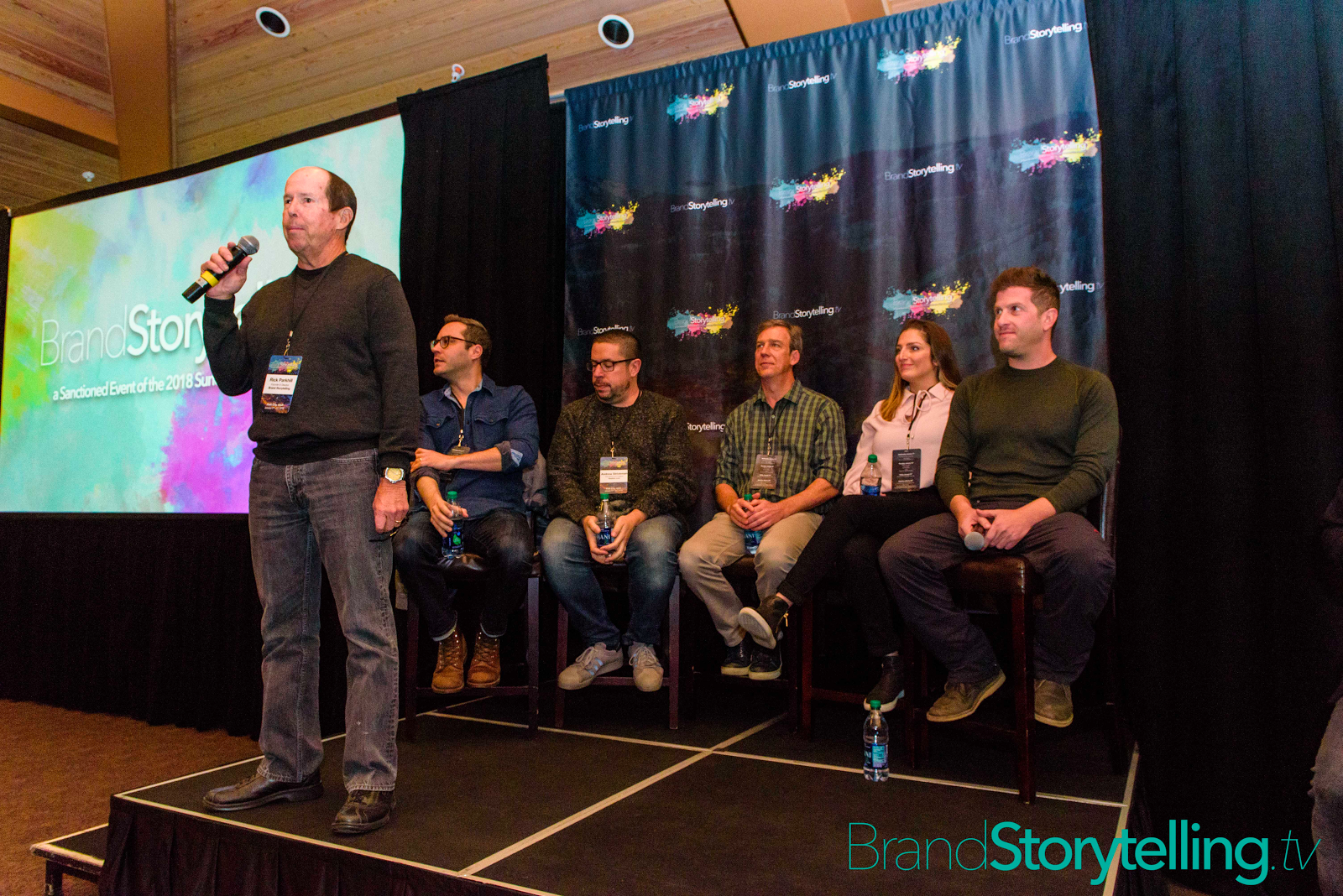
    Brand Storytelling: a Sanctioned Event of the 2018 Sundance Film Festival has comes to a close, but only after two full days of idea sharing, content conversations, storytelling, and wonderful music. Brand marketers, agencies, and companies took what they gained on day one and built on it, while our wonderful event partners took the stage, speaking on their respective experiences and passing on knowledge that enriched the holistic conversation on content for the entire group. As day turned to night, topics of conversation turned to the relationship between music and brand association and attachment, all giving way to the screening of a brand new branded music film and performances from incredible artists.

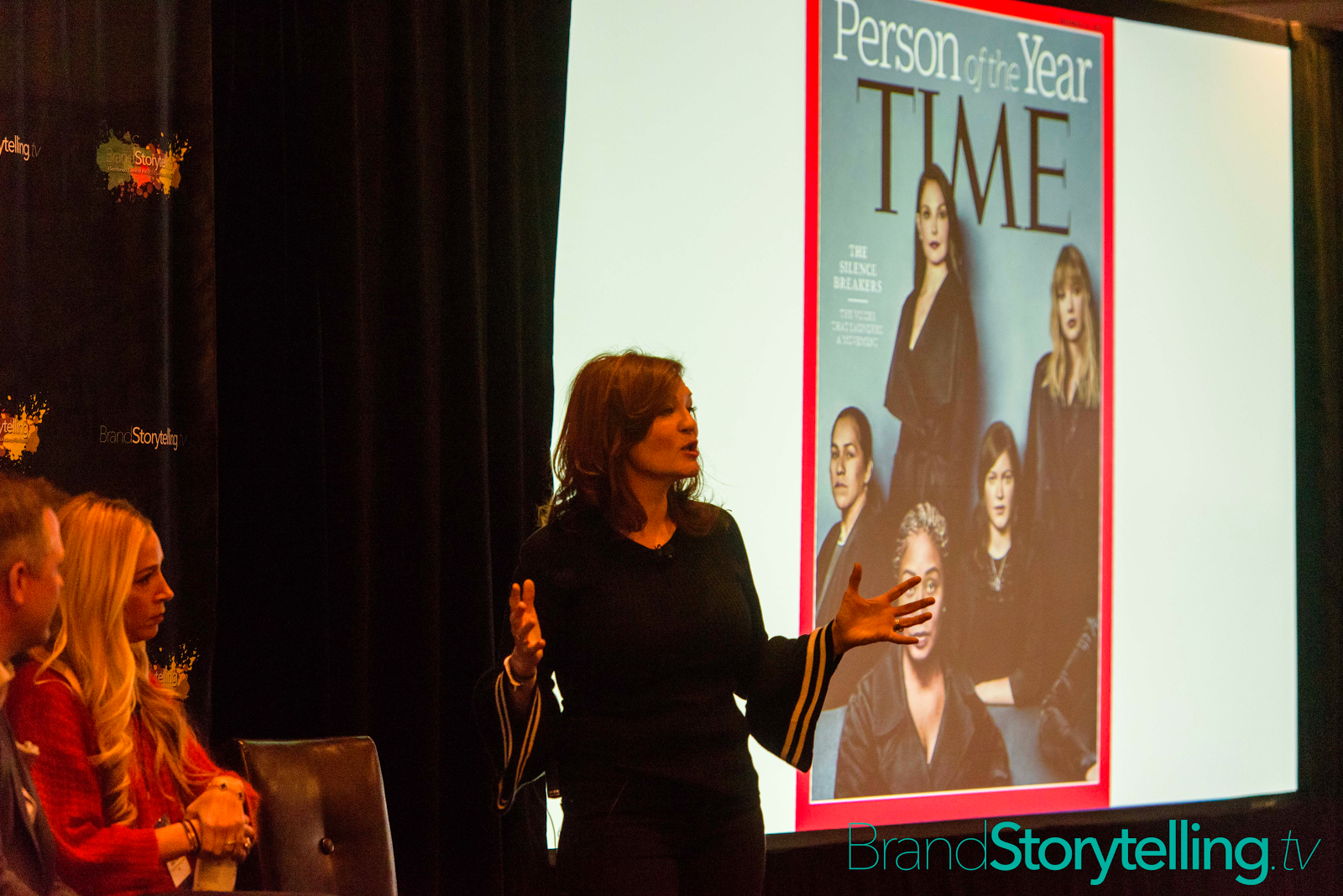
    Friday’s panels began with Andrew Saunders on the integrated ecosystem of TasteMade and how the data driven, mobile first company is at the intersection of taste and excellence. Paul Cowan spoke for Shutterstock on scaling branded visual content creation for digital and social channels. Andrew Snyder, Susanna Schrobsdorff and Alana Radmin got up to speak for Time Inc., discussing the growing emphasis on bringing to light the true power of women, and finding a brand partner in Bai to help spread that message. Kevin McAuliffe and Ethan Heftman from A+E networks shared their project with History and Ram in which they sought to tell a story true to the truck’s image and projected values.

    Ricky Ray Butler, Chris Mancil and influencer Furious Pete took the stage to discuss influencer partnerships with EA. The trio had a discussion about pairing the right influencer with the right game in order to foster relationships between influencer and audience. Josh Entman of Jukin Media spoke on the user generation and learning how to better understand user-generated video. The evening’s chats closed with Ray Clark of The Marketing Arm, Jared Gutstadt of Jingle Punks, and music industry professionals Young Guru and Jason “Poo Bear” Boyd, who spoke on the power of music and its ability to influence consumers on a deeply emotional level.

    Saturday’s fireside chats began with CAA’s Chad Nelson, Eric Day and Scott Iason, who spoke on innovative talent and passion content models, using Top Golf’s original series as an example. Peter Sloterdyk and Zach Stafford took the stage for INTO, the online publication that’s redefining queer content. David Waithers from Awesomeness spoke about his target audience, generation z, and how social and digital are essential to their lives. Adam Shlachter and Christian Tom from Group Nine Media spoke on what is working and driving branded content results, where data is underutilized, and where that data is misunderstood.

    Nick Childs, Lance Weiler and David Cohen talked about Frankenstein AI – a Sundance festival project that challenges the dystopian narratives that surround AI. Diana Mogollon and Chris Mack of Stage 13 and Warner Brothers Television spoke about the “IT” factor and Warner Bros. use of data on millenials to produce box-office breaking horror. John Partilla of Screenvision Media, Colleen DeCourcy of Wieden + Kennedy, and Scott Donaton of Digitas spoke on the art of storytelling in a fragmented world. Chats closed with Andres Siefken and Marcus Peterzell on the partnership between MasterCard and SZA as well as other up-and-coming artists to promote truly priceless experiences.

    Thanks again to all of our partners for a round of truly unparalleled panels.


    A Night of Musical Celebration

    Brand Storytelling ended with an exclusive screening of MacGillivray Freeman Films’ newest 3D documentary for IMAX ® and giant screen theaters – America’s Musical Journey, which follows Grammy Award nominated singer and songwriter Aloe Blacc as he traces Louis Armstrong’s footsteps through the colorful locales and cultures where America’s music was born.

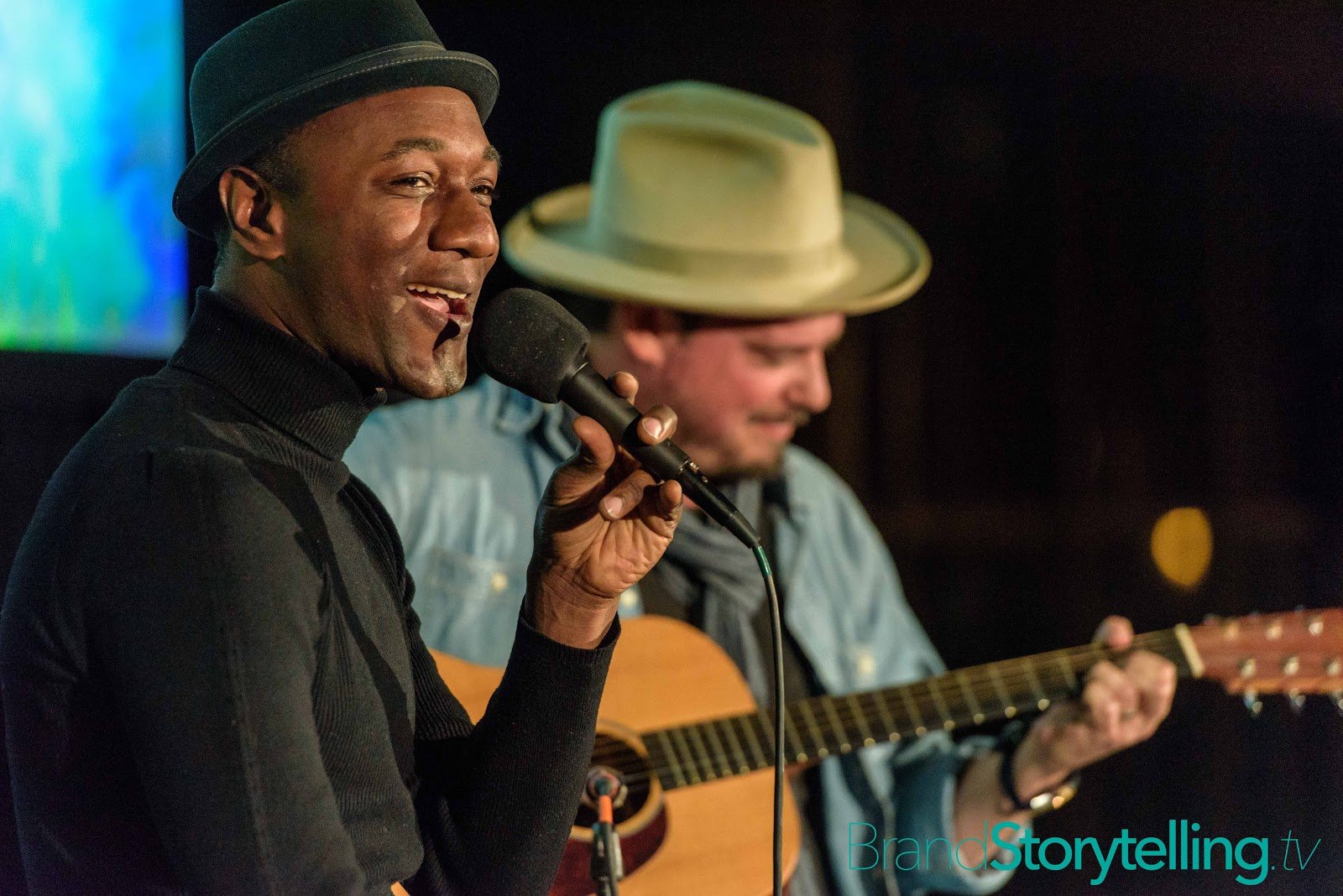
    The film, produced in association with Brand USA and presented by Expedia, celebrates the unique diversity of cultures and the creative risk-taking spirit that characterize America, as told through the story of its music. The musical night wouldn’t have been complete without performances from Cloves, Bear and a Banjo, and Aloe Blacc himself.

    And with that, we bid Brand Storytelling 2018 farewell. To all who attended, thank you. We value this community tremendously and relish the opportunity to foster new and strong connections between like minds.

    Next stop: ‘Elevate 2018’ – Will you be there?

    Check out our Facebook, Twitter, and LinkedIn Profiles later this week for photos and more from ‘Brand Storytelling: A Sanctioned Event of the 2018 Sundance Film Festival’

    Watch for weekly news updates from Brand Storytelling in your inbox by subscribing, and share this with other storytellers in your network.

    Of course, if you’d like to contribute to the story, We’d love to hear from you. Email us!

  • Get Real: Achieving Authenticity in Branded Content

    Get Real: Achieving Authenticity in Branded Content

    Buzz. It is the all-important pot of gold at the end of a content marketer’s rainbow. Brands want their content to achieve buzz-worthy status, but they ought to careful what they wish for. Generate the wrong kind of buzz, and rainbow-filled skies can turn to stormy showers in an instant.

    Take Pepsi’s social snafu from last week, for example. The now infamous Pepsi ad theoretically ticked all the buzz-worthy boxes for a piece of new media advertising (2-minute spot suited for sharing on social? Check. Mega-Influencer front-and-center? Check. Current/hip representation of target audience? Check.). However, the ad not only came under fire repeatedly for co-opting the serious act of protest to sell its product, but got crucified on social media. The irony of the ad succeeding in the capacity it sought to in the first place (to get noticed by the generation that lives on social media and have them circulate the ad through their social feeds), but for all the wrong reasons, is palpable.

    Publishers, media companies, ad agencies, PR agencies, production companies, and brands are all in the rat race to be content creators, sharing on multiple platforms in an effort to appeal to the interconnected network of young consumers. But many forget that the very network that advertisers seek to have buzzing about their content has an aptitude for smelling bullshit and can turn on you in an instant. The conscious consumers that populate this network are ethically responsible, equality inclined, social warriors that wield twitter as their weapon.

    So how does one appeal to the ethical sensibilities of Gen X and Y without incurring the wrath of social media? Consider not pandering to your audience and, instead, show them something genuine. Don’t mimic authenticity, simply be authentic.

    Brand Storytelling interviewed Frank Igrec about We Could Be King, a film shot in partnership with Dick’s Sporting Goods. Dick’s sought out the “real thing” in its effort to tell stories that truly represent the values of the brand, shining a light on the difficulties faced by two rival high schools in Philly who were forced by budget cuts to come together over football. It’s the result of a large effort and long process on the part of the brand, which exercises corporate responsibility by way of being a leader in supporting youth sports and education. This is more than slapping a Dick’s Executive Producer credit on a festival film – this is a genuine effort to give back to the very people who support Dick’s business.

    Is fostering an ecosystem where brands support the causes that ultimately support their businesses the recipe for achieving genuine authenticity? That’s certainly one way to do it. Just look at Nestlé, Patagonia, Chipotle, Yeti, GoPro, Subaru, Microsoft, and Disney. It’s no coincidence that these brands have no problem garnering consumer loyalty and/or achieving buzz-worthy status on social media, because consumers believe in brands that project authenticity by being authentic.

    Whether it’s capturing the genuine spirit and ideology of the people who buy your products or exercising corporate responsibility in the form of charity or partnered projects, these brands know the truth: that simply pandering to a highly-connected audience is a recipe for disaster. To find gold at the end of the rainbow, you must be what you say you are, or say nothing at all.


    Millennials Driving Brands to Practice Socially Responsible Marketing:

    Looking for more on this notion that corporate social responsibility is important to today’s young consumers? Look no further than this article from Forbes, which cites Nielsen’s Global Corporate Sustainability Report. To put it simply, millennials are fed-up with interruptive ads that project a sense of self-interest and actively seek out products and businesses that project a sense of honesty, openness, and involvement in the world around them:


    How to Leverage Social Media to Build Brand Loyalty:

    We can all agree that today, social strategy isn’t something to take lightly – it’s a make-or-break necessity. Forbes has taken the liberty of compiling a list of tips for cultivating a focused social strategy meant to garner brand loyalty that is certainly worth the read. Check it out – do you agree with the staples outlined in this list? What’s missing? Drop us a line and let us know:


    Is Corporate Social Responsibility Profitable?:

    We get it – consumers value corporate responsibility, and it’s reflected in the products they buy and the companies they do business with. But does the value go beyond mere sales and into other avenues of profit? Check out this article from Boss Magazine, where the case is made for the sometimes immeasurable but undeniably valuable benefits that businesses stand to gain in today’s market by paying closer attention to CSR:


    Can Brita Filter the Negativity Out of Twitter? Here’s How It’s Trying:

    What does it look like when a brand seeks to promote social consciousness on social media? It probably looks a bit like what Brita is seeking to do on Twitter by providing a “filter” (we see what you did there, Brita) that enables users to remove negative content from their feeds. However, it’s more than just a publicity stunt – on “Filter Your Feed Day”, Brita will donate a dollar for each #FilterYourFeed share to the Cybersmile Foundation, an organization that combats cyberbullying. Time will tell where the target audience stands on this branded campaign, but so far it seems like Brita’s walking the walk:


    Watch for weekly news updates from Brand Storytelling in your inbox, and share this with other storytellers in your network.

    Of course, if you’d like to contribute to the story, We’d love to hear from you. Email us!
  • Ogilvy & Mather, and the Product Demo Video That Will Have You on the Edge of your Seat

    Ogilvy & Mather, and the Product Demo Video That Will Have You on the Edge of your Seat

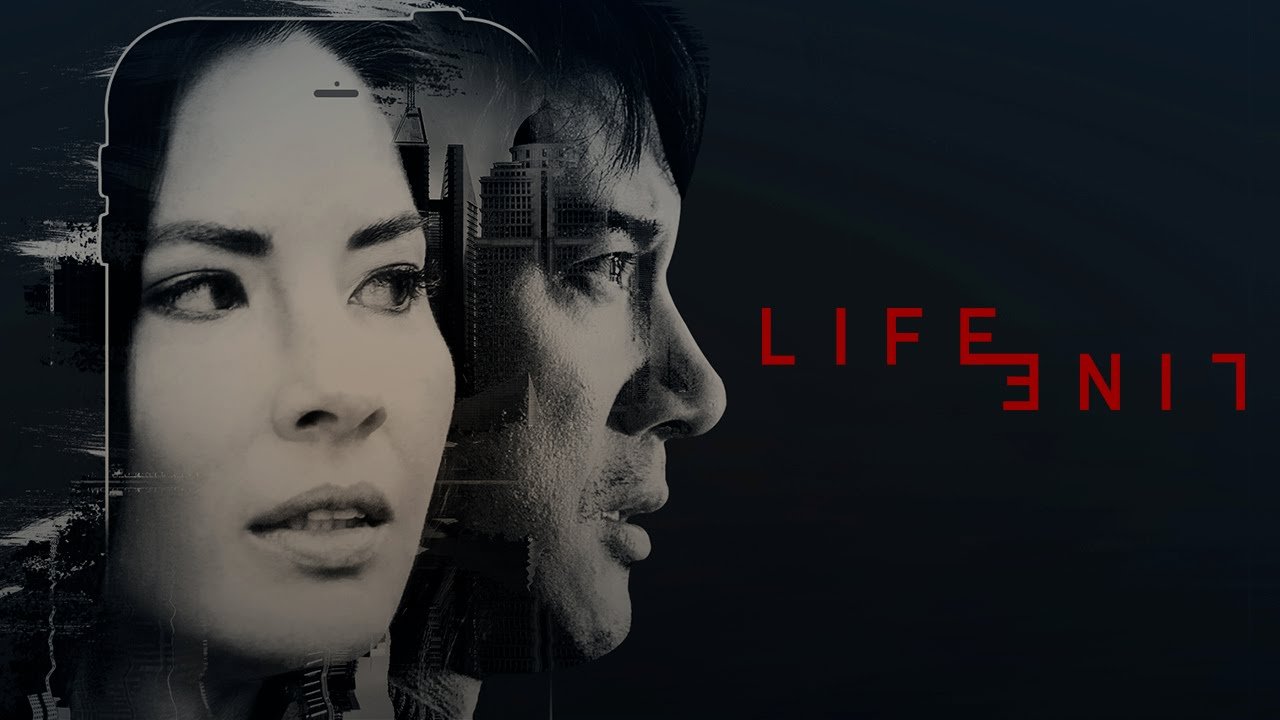
    How does a telecommunications giant, such as Qualcomm, create a demo video for their chipset, Snapdragon, that consumers actually want to watch? It’s not so easy. In this day and age, no one watches anything if there isn’t something in it for them. With so many ways to avoid advertising, certainly something as bland as a demo video can go by the way-side. Mark Himmelsbach (President, Content + Social at Ogilvy North America), speaks to the notion that advertisers need to be more savvy about what sort of content resonates with viewers when he said this, “You can’t interrupt people anymore. You have to contribute to their experience.”

    Which is exactly what Ogilvy & Mather did when Qualcomm tasked the agency with creating this piece of content. The results were astounding. Writer/Director, Armando Bo, tells the story of a man in Shanghai, who awakes to find his girlfriend mysteriously gone one morning. Using her smartphone, he unfolds a plot far bigger than he could have imagined. Through this dark thriller, features of the smartphone chipset, Snapdragon, are key plot-points in this roller coaster of a story.

    “We think that content itself, needs to be entertaining or useful.” says Himmelsbach. Well, check and CHECK. “Lifeline” is not only one of the most entertaining and gripping pieces of branded content you will see this year, it’s also one of the most informative. We see a lot of content marketing around the landscape, these days; Whether it be an influencer integrating a brand partner into their weekly videos, or brands creating original short-films or a digital series in the hopes of brand lift and consideration. However, taking a brief from a technology company to execute on a demo video, and “flipping it on it’s head”, as Himmelsbach puts it, that is something you just don’t see everyday.

    Watch the full story in here or by clicking the video below…

  • BEN & The Expanding Landscape for Branded Integration

    BEN & The Expanding Landscape for Branded Integration

    The value exchange between consumers and advertisers is no longer a fair trade. Audiences can find their content without having to watch a single ad if they so wish, and advertisers are re-tooling their strategies and teams to make a bigger splash in deep end of the content pool.

    Branded Integration has, and always will be, one of the most effective ways to get around interruptive advertising. You can showcase products and/or services, up-the-ante on brand recognition, or even show a little personality. However, there is little room for KPI’s, brand messaging, and monetization. It’s not like General Motors can put a link at the bottom of “House of Cards” and measure CTRs. But, when it comes to fragmentation, it’s not just the creators and consumers that benefit from content-anywhere-anytime. Brands have a new platform to jump from in their efforts to make that splash. Brands— or, should I say; “content studios” now have the opportunity to match the film industry on how much original content is readily available. We see it from PepsiCo, Red Bull, JW Marriott, DICK’s Sporting Goods, and many more. If you can’t find the right content to integrate your brand into, create your own.

    BEN (Branded Entertainment Network), is leading the charge in seamlessly integrating brands into quality content across film, television, OTT, and digital influencers. I had the pleasure of attending their Integration Summit back in November of 2016, where I sat down with members of their team, as well as a few speakers on their panel including Chris Moore (Good Will Hunting, American Pie, Manchester By The Sea), Michael Sugar (Spotlight, The Knick, The OA), and Furious Pete.

    Eggo’s Role In ‘Stranger Things’ Turns Into Free Super Bowl Mention With More To Come

    Why Influencer Marketing Will Explode In 2017

    Super Bowl Ads Haven’t Helped Purchase Consideration Much, Research Suggests

    Micro, Not Macro: Rethinking Influencer Marketing

    Watch for weekly news updates from Brand Storytelling in your inbox, and share this with other storytellers in your network.

    Of course, if you’d like to contribute to the story, We’d love to hear from you. Email us!
  • Brand Storytelling: 70,000 Years in the Making

    Brand Storytelling: 70,000 Years in the Making

    Between 70,000 and 30,000 years ago Homo sapiens started telling stories.

    In his bestselling book Sapiens author Yuval Harari says around 70,000 years ago, an inexplicable genetic mutation in the brains of Homo sapiens enabled our species to begin to think in a new way, communicating about things beyond basic survival. Harari says it was this “storytelling mutation” that separated us from the apes, and propelled humans to the top of the food chain.

    What began as gossip and chit-chat – who was sleeping with who; who hates who; etc. – eventually gave way to complex narratives imagined by humans, that would serve as the foundation for human civilizations. The assertion is that the existence of shared ideas – religions, nations, financial systems, and corporations – is a direct byproduct of humans’ ability for “collective imagination.”

    So, through that lens, is storytelling the vehicle for helping humans understand and rally around the common ideas that link us one to another? Or is it the story itself that connects us to each other? Because, what else is there really?


    How Stories Catch On – Breaking it down:

    IMAGINATION:

    a human dreams-up an idea/story and puts it out there;

    ATTENTION:

    the story gets the attention of other humans;

    EMOTION:

    the story resonates with other humans on an emotional level.


    The term “brand” originally meant “an identifying mark burned on livestock with a branding iron.” The concept is, essentially, marking what is yours with a recognizable symbol. In advertising, branding is done with words, symbols, design, and tone/voice. It’s an expression of your organization’s function, purpose, and aesthetic, defining what your company or product represents.

    But whether you’re branding livestock or branding your new product line… in order for your idea to catch on and have impact, it isn’t enough just to have a story. Stories need to stand out and connect with their intended audience. Because no matter how creative your message is, you wouldn’t want to brand it on the underside of your cow’s belly. No one would notice the message there; and no one would be emotionally compelled to stay away from your cow.

    In today’s cluttered twenty-first century media environment, to truly engage an audience, story-”telling” alone – expecting an audience to passively read, watch, or listen to a story– is often not enough. With billions of pieces of content uploaded daily and continuous feeds on social media platforms, to cut through the noise and make its mark, a brand must elevate its story-“telling,” inviting its audience to participate in interactive story-“doing”:

    For instance: brand-hosted social media conversations where consumers can tell their own stories, allow for an authentic experience and a sense of ownership. Quizzes and games provide an opportunity for consumers to contribute insights.

    Interactive video with shoppable links can lead to increased time spent on site, as well as a more direct path to ecommerce.

    And today’s smartest publishers and brands are pushing themselves even beyond story-“doing” to what some are calling story-“living”: sophisticated high-tech consumer-centric engagement, leveraging technology to create emotionally compelling brand stories where the audience is fully immersed: AR and VR, advanced voice technology, artificial intelligence, and the like.

    Alex Smith, Creative Director at SMITH Creative Labs, a digital design and innovation studio, says brand storytellers shouldn’t view technology as a marketing tactic. “As the media landscape has gotten fragmented over the last decade, and new platforms have emerged, tech has become the medium itself – a channel for a brand to talk to consumers—whether that’s a chatbot, an AR experience, or an interactive microsite like the one we just built with the Washington Post Brand Studio and Siemens. Marketers need to stop thinking about tech as something exotic, it’s an essential element in reaching an audience now.”

    Chatbots, AR, and interactive video — 70,000 years in the making.

    What’s next for Homo sapiens and storytelling?

    What role does technology play in your brand storytelling? Are you leveraging tech resources to put your audience at the center of your story? Are you advancing your narrative beyond communication, to action? danielle@dashbrandedcontent.com


    About Danielle Dardashti:

    Danielle Dardashti – founder of branded content advisory firm dash. – is an Emmy award-winner, author, media executive, and former TV reporter. Danielle has been collaborating with marketers on branded content strategy for over a decade, and has held senior leadership roles at Meredith Corporation, Tribune Publishing, IKA Collective, and Magnet Media. She is on the board of directors of New York Women in Communications (www.nywici.org) and was honored in March 2018 by the Native Advertising Institute in Copenhagen, Denmark, as one of “100 Significant Women in Native Advertising.”

  • Bear and a Banjo Join Our Night of Musical Celebration

    Bear and a Banjo Join Our Night of Musical Celebration

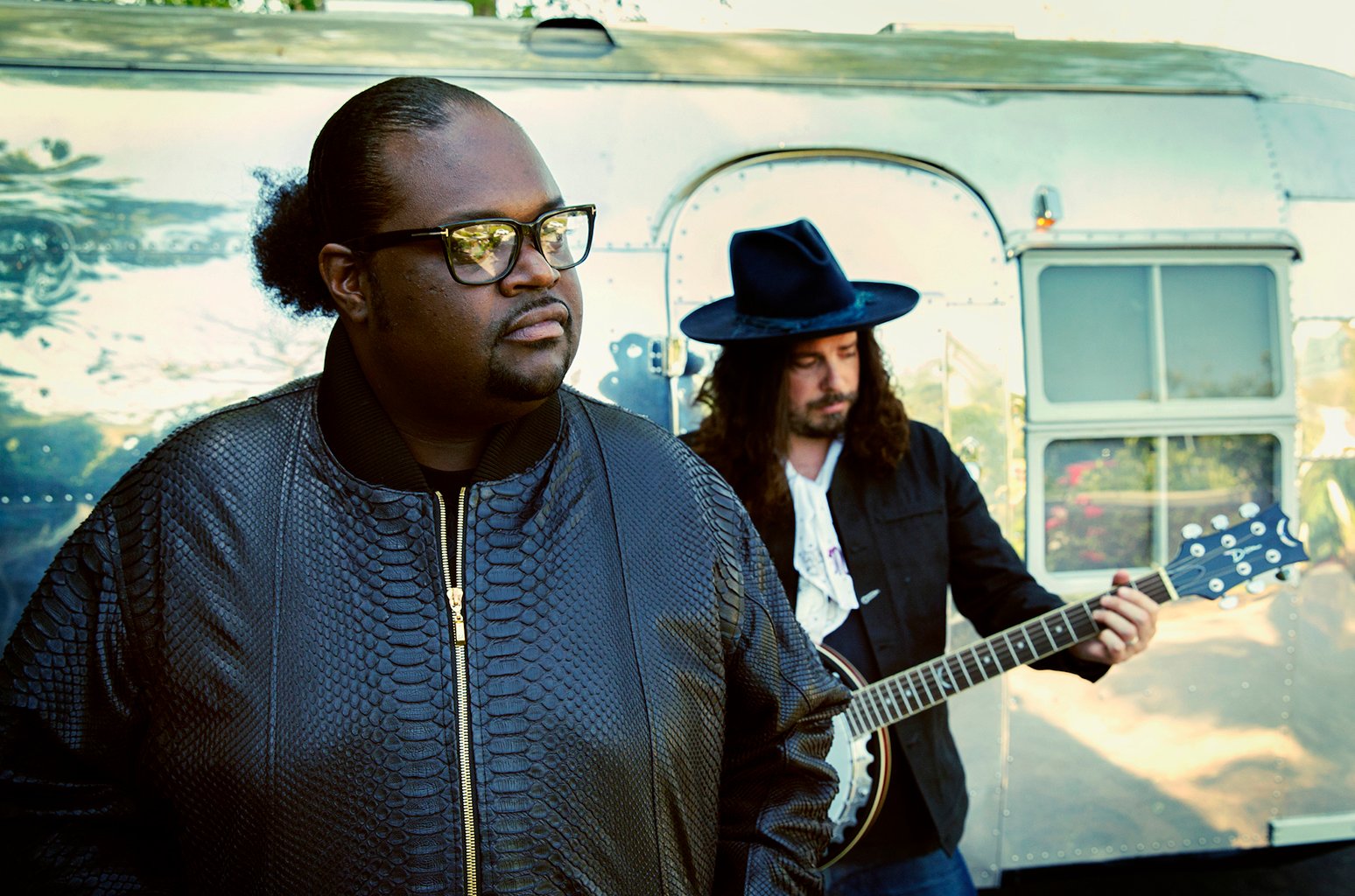
    Continuing on with Saturday night’s theme of musical celebration, Brand Storytelling is happy to announce the addition of Bear and a Banjo to the line-up of performances following the screening of MacGillivray Freeman’s “America’s Musical Journey.”

    Bear and a Banjo members “Jingle” Jared Gutstadt and Jason “Poo Bear” Boyd will also bring their music and business expertise to our All-Star music panel featuring Young Guru (legendary audio engineer and DJ) and Ray Clark (Founder and CEO of The Marketing Arm). These four experts will discuss music’s powerful ability to define a brand’s identity and imprint emotionally on consumers.


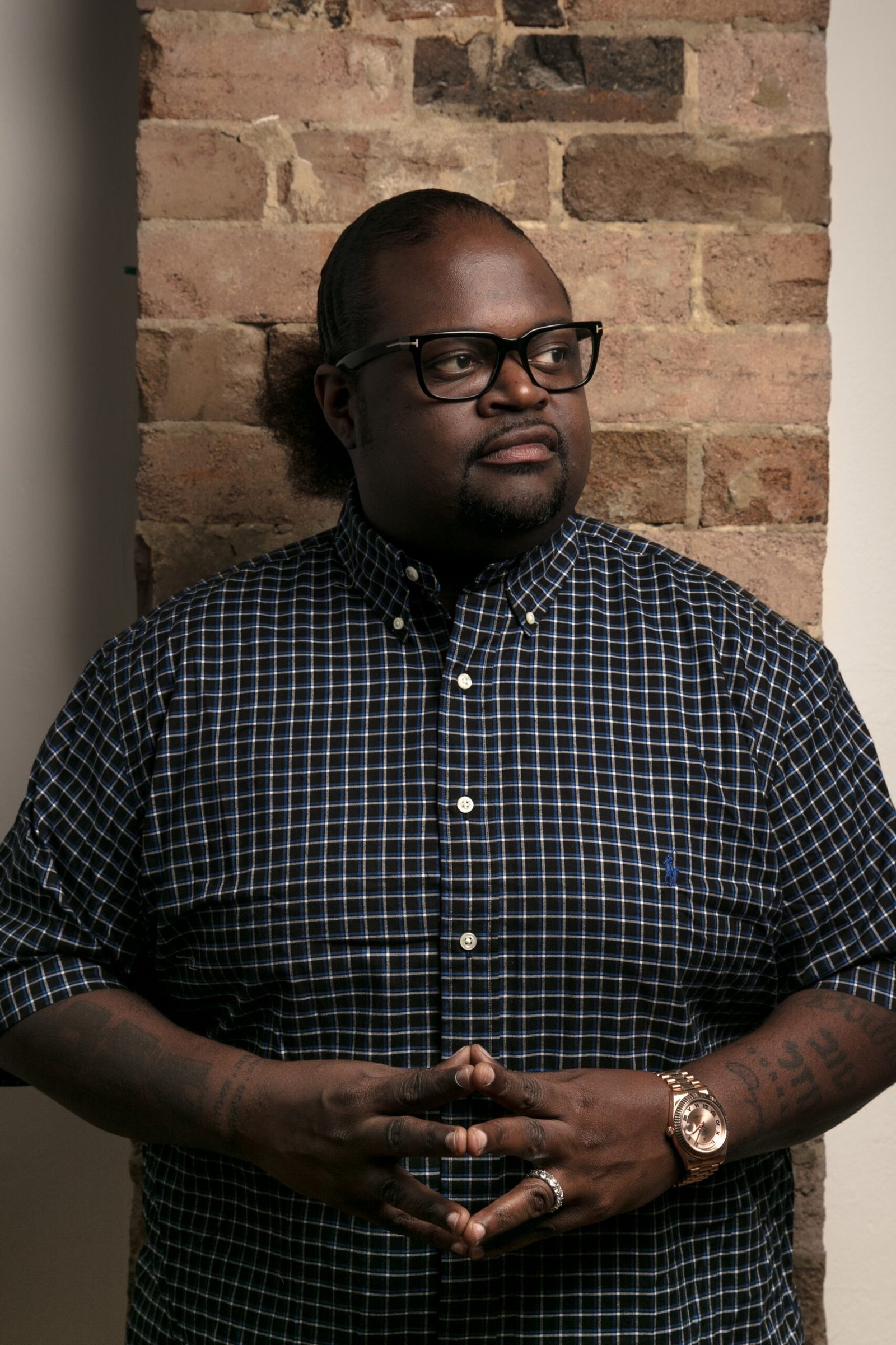
    About Jason Boyd A.K.A Poo Bear

    Songwriter, Producer:

    “Where Are Ü Now,” “What Do You Mean?,” “Peaches and Cream,” “Caught Up”

    If you thought you’ve never heard of 4x Grammy award winning singer/songwriter Poo Bear, you actually have! He is the lethal pen behind hits like 112′s ‘Peaches & Cream’ and ‘Anywhere’, Usher’s ‘Caught Up’ and ‘Superstar’, as well as Chris Brown’s ‘She Ain’t You’ and ‘I Can Transform Ya.’ He is best known for being one of Justin Bieber’s main collaborators, having co-written many of Bieber’s hits (including “Where Are Ü Now,” “What Do You Mean?,” “PYD,” “Hold Tight” and “All That Matters”). Jason Boyd aka Poo Bear has undoubtedly redefined the entertainment industry with his innovative, dynamic and empowering abilities to deliver music through the power words.

    With his clever blending of various genres of music accompanied by the intricate use of words and harmonies, it is without question that after over 350 million records sold worldwide, he is a force to be reckoned with. The evolution began after the first recorded tornado in Connecticut history left his family homeless. With the gracious donations and fundraising provided by the neighborhood church, Jason’s family moved to Atlanta, Georgia just as the city was evolving into the mecca of the music industry. At the age of 14, Poo Bear co-wrote his first hit single for platinum selling r&b group 112 titled, ‘Anywhere’. This began his unprecedented catalog of songs written for the biggest artists in the world including The Rolling Stone’s, Whitney Houston, Sinead O’Connor, Pink, Kelly Price, Faith Evans, Carl Thomas, Jagged Edge, Glen Lewis, Patti LaBelle, Dr. Dre, Lupe Fiasco, DJ Khaled, Drake, Rick Ross and Justin Bieber just to name a few. Between 2005 and 2008, Boyd collaborated with acclaimed producer Scott Storch, co-producing and writing over 100 songs including top-charted ‘Make It Rain’ by Fat Joe & Lil Wayne, and hits for Kelly Rowland, Mariah Carey, Snoop Dogg, Brooke Hogan, BunB, Yo Gotti, Eve, Kelis and Ruben Studdard. With songs topping the charts and every artist wanting to reap the benefits of Poo Bear’s masterful vocal production, the biggest selling album of the millennium was right around the corner. Poo Bear co-wrote multiple tracks on Usher Raymond’s Confessions album, including the single ‘Caught Up’, awarding him two Grammys and an accolade of other awards. Poo Bear earned his third Grammy for his contributions to Jill Scott’s Words and Sounds: Volume 1 album and his fourth Grammy was for Chris Brown’s FAME album. Poo Bear was also honored with his 7th ASCAP Award for ‘She Ain’t You’ by Chris Brown.

    Not only has Poo Bear topped numerous music charts around the world, but he has commanded the attention of the feature film and television industries by lending his talents to Sean P Diddy Combs for his series ’Making the Band’, writing songs for Danity Kane, in addition to 8Ball&MJG for the soundtrack for the acclaimed feature film ’The Fast and the Furious’. Poo Bear’s reputation for being a consummate professional has awarded him the opportunity to work abroad with legendary musicians Jah Cure, Mavado, David Guetta, Swedish House Mafia and iconic DJ Paul Oakenfold. Poo Bear also co-wrote and produced 10 singles on Justin Bieber’s Journals album with each single spending significant time as number one on iTunes. After nearly two decades of being behind the scenes and imprinting music with his dynamic skills, Poo Bear’s journey has led him to center stage. Recently, he worked on Justin Bieber’s 4x Platinum selling album “Purpose” where he co-wrote 16 out of the 19 tracks. Following that, his track with Bieber ‘Where Are Ü Now” won the Grammy for best dance song – and he wrote the Pro Bull Riding theme song recorded by Steven Tyler. He also co-wrote a song on the Latin Grammy Award Winning album “Energia” by J Balvin.


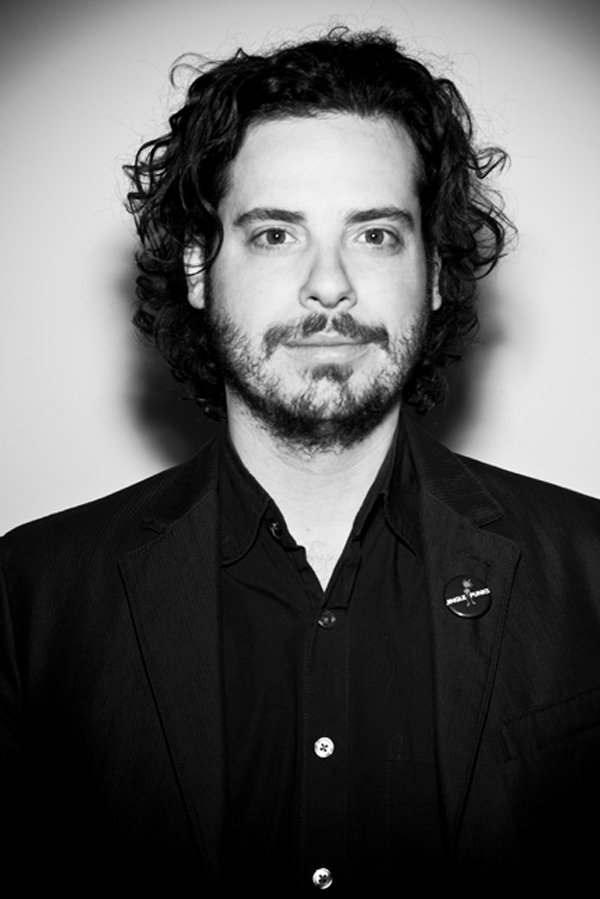
    About Jared Gustadt

    “Jingle” Jared Gutstadt is the President, CCO and co-founder of Jingle Punks, an Audio Creative Agency with offices in Los Angeles, New York, and Toronto. As the lead creative at Jingle Punks, Gutstadt has composed and produced themes and scores for television, including Warner Pictures Lego Ninjago, Youtube Red’s Step Up, History Channel’s reboot of Roots the Mini-Series, The Voice, and ESPN’s Sportscenter, as well as films such as “Ratchet & Clank”, “Eagle Huntress” and the upcoming 89 Blocks produced by LeBron James. Gutstadt has also written song for artists as varied as Lil Wayne, Big K.R.I.T., Steven Tyler, Kris Kristofferson, Dierks Bentley, Brad Paisley, Timbaland and Lynyrd Skynyrd among others. He is also a multiple ASCAP composer of the year and one of the most decorated musicians in TV and film.

    Since its 2008 launch, Jingle Punks has revolutionized the commercial music industry, launching innovative partnerships, developing patented proprietary technology, and creating memorable music marketing moments that are the envy of the industry. Jingle Punks has been featured in The Wall Street Journal, USA Today, Billboard, Rolling Stone, Wired, Variety, and Bloomberg Businessweek.

    Recently, Jared entered into a creative partnership with world-renowned songwriter Jason “Poo Bear” Boyd to bring their collective skills into the world of TV and film scores, video game soundtracks and branded content. This partnership has already yielded a Sports Emmy nomination and countless brand anthems including the ground-breaking UFC 207 and PBR anthems that featured G-Eazy and Steven Tyler respectively.

    Additionally, Gutstadt is the leader of the Hipster Orchestra, a classical chamber group that covers contemporary pop and hip-hop hits yielding a meta-marketing conceit that has drawn accolades from The New York Times and tastemaker site BrooklynVegan. They completed a record deal w Lava/ Universal to build this concept out as a live touring event and will be officially launching in 2018.

    Drawing on his experiences as a leader of a successful start-up and also from his days as leader of an up-and- coming indie rock band, Jared has developed The Rock n’ Roll CEO concept, a next level business strategy that has become a series of featured columns in the Huffington Post’s Business section and led to Gutstadt delivering a talk at TEDx Hollywood 2013 in Los Angeles.


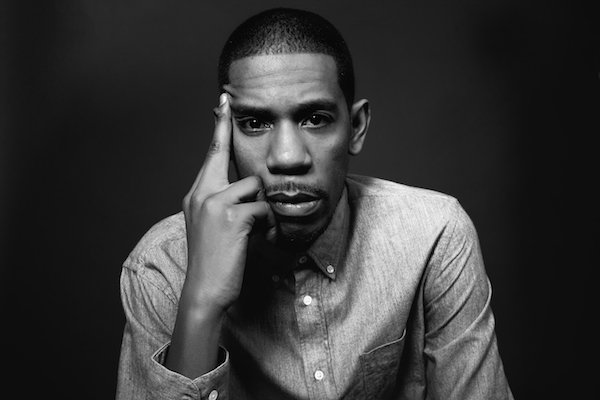
    About Young Guru

    The Wall Street Journal calls Young Guru “the most influential man in hip-hop you’ve never heard of.” Often referred to as “The Sound of New York,” legendary audio engineer, Gimel “Young Guru” Keaton is most known for his work behind the boards with Jay Z. Jay Z would shout out Guru’s name on the records themselves— an unheard of acknowledgement to give to an engineer at the time. Guru’s ability to communicate complex technical terms, not only to artists but students, creatives and business professionals alike, has led to his reputation as the foremost leader bridging the gap between hip-hop and the tech community. Through this love for technology and innovation, Guru cofounded Era of the Engineer – a social enterprise designed to shed light where culture and technology intersect.

    Guru’s love of music has always been rooted in technology. As an audio engineer, he has collaborated with some of the biggest brands in the world. For example, Guru explored the effects of sound on athletes with Gatorade, re imagined the sound presentation of first-class aviation experience for BMW Design Group, and was recently featured in his own campaign for Infinity’s Q-60. The Era of the Engineer team and Young Guru serve as mentors to 10 burgeoning startups within Techstar’s inaugural Music Accelerator. Additionally, Guru was appointed the position of the Chief Music Strategist for the ad agency, The Marketing Arm. Furthermore, he was recently acknowledged by Fast Company as 2016’s Most Creative People in Business.

    Guru puts in the work on the music side as well: he received two Grammy nominations for his work with Common and Jhené Aiko and continues to help artists such as Jay Z and Alicia Keys to craft their live shows. When he is not in the studio or onstage, Guru DJs all over the world for clubs, private events, and exclusive corporate sets for clients including Google and AT&T.

    A lifelong educator at heart, Guru served as the official Artist-in-Residence at USC’s Thornton School of Music where he oversaw the creation of its first-ever Music Production Degree. In 2013, Guru partnered with Hewlett-Packard and The Recording Academy to create The Grammy’s first-ever educational tour, ‘The Era of the Engineer Tour,’ in which he traveled to 13 college campuses, including NYU, MIT, and Cornell University, to speak on “creative engineering”—his cross-disciplinary approach to problem-solving.


    About Ray Clark

    Ray is the Founder and CEO of The Marketing Arm (TMA). The 25-year-old Consumer Engagement agency is known as one of the most dynamic agencies in the world, with deep Agency of Record status in 14 capabilities, including Promotion, Content, Sports, Entertainment, Music, Cause, Talent, Social, Influencer and a continuum of Experiential and Hospitality services, with many of the capabilities awarded “Agency of the Year.”

    The Marketing Arm has over 800 employees and 150 brand clients, including notable brands such as PepsiCo, AT&T, State Farm, Nissan, and Bacardi. In 2017, TMA created and produced 1,000 pieces of branded video content and negotiated 1,500 celebrity deals. Celebrated work includes Doritos Crash the Super Bowl, Pepsi’s Uncle Drew and work on over 50 Super Bowl commercials.

    Ray has been married to his wife, Ellen, for 23 years and has two teenage boys, Will and Cal. In his spare time, Ray loves music, tennis, movies and playing sports. His eclectic sense of humor motivates him to pursue all things funny, particularly inappropriate comedy.

    Watch for weekly news updates from Brand Storytelling in your inbox by subscribing, and share this with other storytellers in your network.

    Of course, if you’d like to contribute to the story, We’d love to hear from you. Email us!
  • Mapping The Trails: Intel’s Brett Lyons Discusses Elevate’s ‘Distribution’ Trail

    Mapping The Trails: Intel’s Brett Lyons Discusses Elevate’s ‘Distribution’ Trail

    Week by week, Brand Storytelling will be bringing you exclusive insight into each of the Elevate “trails” (our clever name for the panels at our summer event), featuring input from our esteemed trail guides.

    This week we’re taking a closer look at the ‘Distribution’ trail with the help of our highly qualified trail guide Brett Lyons, Global Branded Entertainment Programs Lead at Intel. We connected with Brett to discuss the ins and outs of Elevate’s distribution trail:

    Hey there, Brett. What can you tell us about Elevate’s third trail?

    Distribution is the connection point between your content messaging and the audience; how you leverage distribution audience insights in the creative process to ensure engagement and impact as well as reach the right audience. How do you ensure your content has the right scale, and is reaching your target audience? How much media do you buy to support your initiatives vs. relying on organic reach and built-in platform scale (SVOD, AVOD, TVOD)?

    What do you anticipate your panel conversation will entail?

    We’ll be diving into thinking about the different platforms – how you build marketing initiatives in order to drive traffic, engagement or your specific brand KPIs.

    From what angles will the subject of distribution be approached?

    Approach will focus on audience insights used for both creative and distribution as well as scale, reach, what media do you buy vs owned and earned, etc

    What do you anticipate will carry over from the panels into the group discussions?

    Identifying relationships between all of the trails is essential to link to the overall success of a campaign, from leveraging talent’s social channels, investment, creative etc.

    What’s the largest takeaway you hope attendees will get from the ‘Distribution’ trail?

    Distribution is the key to discovery and engagement. If your storytelling isn’t seen (and by a relevant audience)… it doesn’t exist.

    What are you personally looking forward to getting out of Elevate 2018?

    I’m looking forward to learning great insights from all of the amazing storytellers. I am consistently impressed seeing all of your work and it inspires me to push the boundaries in brand storytelling.

    About Brett Lyons:

    Brett Lyons, Global Branded Entertainment Programs Lead at Intel, is a multi-dimensional creative brand partnership executive who develops and executes strategic cross-platform, 360-degree experiences and programming through dynamic storytelling rooted in insights to deepen customer engagement, build brand value and achieve business goals.

    Watch for weekly news updates from Brand Storytelling in your inbox by subscribing, and share this with other storytellers in your network.

    Of course, if you’d like to contribute to the story, We’d love to hear from you. Email us!
  • Brand Storytelling: A Docu-Series [Vol. 1]

    Brand Storytelling: A Docu-Series [Vol. 1]

    At the 2016 Sundance Film Festival, we hosted one-hundred and sixty people, all with a focus on creating and distributing great brand stories. Brands like Mondelez, Dr. Pepper, Hyundia, Pepsi, HBO, Dick’s Sporting Goods (have you seen the stories they are telling?), Netflix, and Marriott. Along with agency partners, filmmakers, and media companies, all people redefining the roles of media and marketing. We seized the opportunity to talk to a couple dozen of these brand storytellers, and their agents, and the result was over 13 hours of video content. Brands, agencies, influencers, filmmakers, all sharing their views on the future of branded content and advertising. It’s a whole lot of GREAT stuff that anyone in advertising and media will want to watch.

    Today, we are publishing the first of five episodes. The duration of each of these “shows” is about 30 minutes. Not exactly “snackable.” These are shows that are intended for marketing teams, agencies, and media partners to watch together and (hopefully) discuss and apply to their own situation and storytelling strategy.

    As interruptive advertising is increasingly turned off, brands are turning on to creating content with intrinsic value. There is a big story unfolding in the world of media, marketing and advertising. Many feel it is the beginning of a new era that will be enabled by technology but led by creativity. It’s an exciting time and we are happy to be playing our role in this unfolding story. I hope you will watch and let us know how you valued the show.

    Watch the Full Episode Here!

  • Brand Storytelling: 5 Favorites at Cannes Lions

    Brand Storytelling: 5 Favorites at Cannes Lions

    Cannes Lions is nearly here, and Brand Storytelling is looking back at five of our favorite pieces of branded content that are up for lions next week.

    Donate Life – “The World’s Biggest Asshole”
    The Martin Agency, Richmond, Va.
    Coleman Sweeney (played by Thomas Jane) is the world’s biggest asshole in this short film for Donate Life. Directed by Will Speck and Josh Gordon (Blades of Glory, The Switch, Office Christmas Party), the short cleverly and convincingly encourages organ donation by showing us that even the world’s biggest asshole can redeem himself in death by donating organs to those in need.


    Kenzo – “My Mutant Brain”
    Framework, London
    If the idea behind moving away from interruptive ads into artful and entertaining displays is for the brand to get out of the way and simply let the audience be entertained, then this ad may be the best example of that all year. It’s a joy to watch Margaret Qualley lose control (and gain supernatural powers?) in this frenetic and captivating display for Kenzo directed by Spike Jonze.


    Boost Mobile – “Boost Your Voice”
    180LA, Los Angeles
    There’s nothing overly flashy, gimmicky, or attention-grabbing about the “Boost Your Voice” campaign, and that’s exactly why we like it. 180LA and Boost Mobile chose to focus their efforts on simultaneously affecting real change and creating a spot-on interactive branded campaign by turning Boost Mobile stores in low-income, impacted voting areas into polling places on election day.


    Sony PlayStation – “Gravity Cat”
    Hakuhodo, Tokyo

    The fun and effervescent short film “Gravity Cat” advertising PS4’s Gravity Rush 2 was one of the first great shareable videos of 2017. In it, a pair of sisters struggle to hold on to their pet cat, who seems to have recently gained the ability to alter gravity. If anything, this ad proves that a great idea, the implementation of some serious filmmaking techniques, and an adorable cat are a recipe for success.


    The Brady Campaign – “Zero Minutes of Fame”
    Ogilvy and Mather, Chicago
    Another example of an interactive campaign creating genuine social change, “Zero Minutes of Fame” allowed users to download a google plugin that removes killers’ names and likeness from online searches. The impact of the message that murderers are not entitled to the consolation prize of infamy was felt all the way in the newsroom, as networks actually shied away from plastering killers’ pictures on their programming in the wake of the overwhelming response to the Ogilvy and Mather campaign.


    Watch for weekly news updates from Brand Storytelling in your inbox, and share this with other storytellers in your network.

    Of course, if you’d like to contribute to the story, We’d love to hear from you. Email us!