Social consciousness is a larger part of the public consciousness than ever before. As such, brands, media companies, and corporations are seeking to connect with the country’s ever growing, socially conscious consumer base in the emerging category of impact entertainment: media at the cross section of traditional entertainment and content that sheds light on social issues and impact.
SoulPancake and Participant Media, in partnership with Brand Storytelling, set out to capture the marketing community’s perspective and thoughts surrounding the use of traditional entertainment to spotlight and impact issues like climate change, income inequality, racial tension, and acceptance of LGBTQ+ citizens.
According to the study, 85 percent of brand marketers believe that staying silent on controversy is worse than being controversial. Marketers and executives alike stated that staying silent on issues facing today’s consumers can actually hurt brand awareness and even brand financial performance.
Lack of flow of information
Although respondents to the survey who belong to the C-suite demonstrated abundant enthusiasm surrounding impact entertainment, ultimately there was a 10 to 15 percent difference between the C-suite and general marketing audience when it comes to interest in investing in and working to create impact entertainment. While their leaders want to do it, the folks who execute on marketing media do not share that same enthusiasm. This is due in large part to marketers not knowing where to begin, creating a sort of “skills gap” that can be difficult to clear.
One area to focus on in in improving the information pipeline is the relationship between brand and agency. Because agencies are the typical sounding board for traditional marketing, there’s often a gap in agency understanding of the traditional entertainment, financing, and packaging market.
The “Purpose Gap”
Results showed there’s a divide between support for impact entertainment and actual impact. Of the respondents that spoke favorably about impact entertainment, only 38 percent were actually interested in the entertainment’s influence an impact on the issue in focus. Marketers seeing value in appearing to stand for something but omitting impact results in KPI’s is demonstrative of a major disconnect between impact entertainment’s existence and purpose. It’s paramount that brands measure the actual impact of their impact entertainment.
—
To honor those differentiating themselves through impact entertainment, Brand Storytelling, in partnership with the Clio Awards, will highlight the creative work of brands in the area of impact entertainment with the inaugural Storytelling For Good Award. The award will be presented Jan. 23, 2020 during the Sundance Film Festival in Park City, Utah.
You can access the “Rise of Impact Entertainment” White Paper, featuring an executive summary of the impact entertainment survey and case studies here.
Live on Zoom – Wednesday, April 15th at 12:00PM PST
The growth in esports was significant well before the global breakout of COVID-19. But with traditional sports shelved, more attention than ever is being placed on digital alternatives, shining fresh light on an ecosystem now ranging from the Overwatch League to NASCAR simulations and televised 2K tournaments. But what exactly are we talking about when we say “esports?” And how do brands identify the right opportunities available to them?
The esports athlete compared to the celebrity gamer.
Brands:
What opportunities are available across the range of esports/gaming?
Should traditional brands be intimidated?
What role do analytics play?
Platforms:
How are esports/gaming impacting more traditional sports platforms?
How are people engaging with non-traditional sports platforms?
Storytelling:
How to tell the best stories across esports/gaming?
How does the process work for the athletes themselves?
Partnerships: What type should brands be looking for in a more digital sports world?
The New Normal:
How will the return of traditional sports impact the esports/gaming ecosystem? What continues to thrive, what suffers?
Advertising vs. sponsorships: How should brands approach these options?
What will be the role of digital platfoms covering/carrying traditional sports?
Winners and losers:
Who is winning right now in esports/gaming?
What trends will we see emerge once the pandemic is over?
Hosted By
Brian Kamenetzky
Host of ESPNLA 710, Writer at The Athletic
Brian Kamenetzky is a sportswriter and radio host in Los Angeles, contributing to outlets including the LA Times.com, ESPN.com, ESPN The Magazine and The Athletic. Additionally, he has worked with athletes creating content at The Players’ Tribune, and multiple studios for sponsored feature stories and videos.
Featuring
Marc Patterson
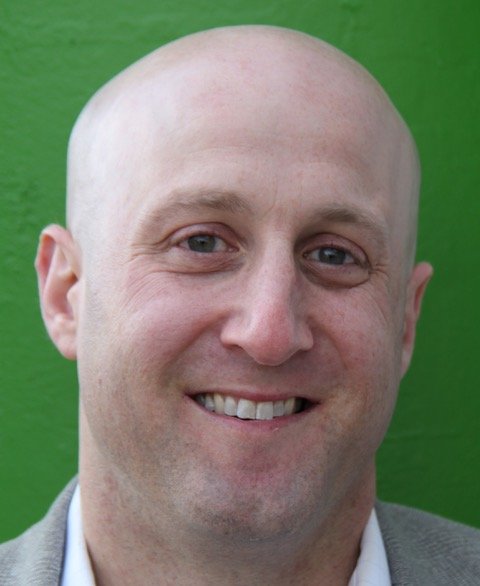
CEO, Connected Realm Entertainment • Head of Esports & Gaming, L.A. Venture Association
Marc is the co-founder and CEO of CRE (www.connectedrealm.com), a socially conscious media publishing company powered by Emmy®-winning broadcast news professionals. CRE works with brands to create content that connects. An award-winning tech executive (mobile, VR, OTT), Marc also heads up Esports & Gaming for the L.A. Venture Association (www.lava.org).
John Carle
VP, Strategy & Business Development, BEN
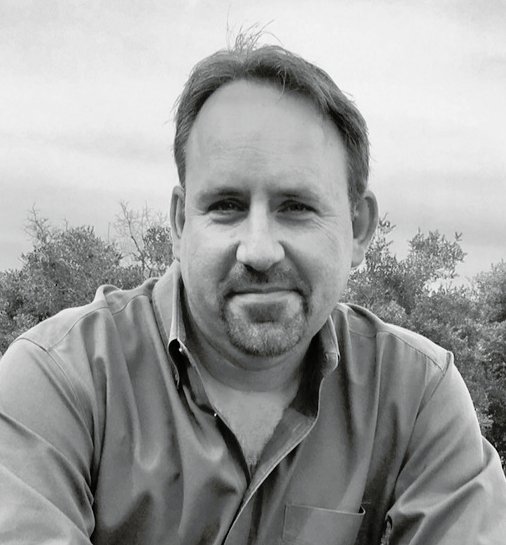
John Carle is the Vice President of Strategy & Business Development at BEN where he focuses on helping brands navigate the influencer marketing space using BEN’s sophisticated AI & data.
A veteran in the entertainment space, Carle has sought to empower creatives by equipping them with the tools to not only succeed but thrive in an increasingly digital world. Between building over 300 storyline episodes for WWE and shaping undiscovered talent in the YouTube Community such as Nukazooka, Carle has helped forge unique paths for creatives that enable them to better connect with audiences and brands. Carle continues to be an active voice in the content creator community, with numerous panel and moderation engagements at both VidCon and Playlist Live over the years, as well as a seat on the Streamy Awards Blue Ribbon Panel judging committee.
In addition to being a gamer himself, Carle leads strategy for a number of BEN’s top gaming accounts including Ubisoft as they prepare for the 2020 launch season and their always on Games-as-a-Service library.
Eric Gray is getting back to his broadcasting roots in the name of spreading the branded content gospel. After 13 years of being off the air, Gray is launching a new podcast series where each week, he will chat with brand storytelling leaders about how they are building great content brands.
We caught up with Gray to discuss his background in broadcasting, his relationship with building great content brands, and what to expect from his new brand storytelling podcast:
Can you share a bit of your background and personal connection to creating content?
I am a former sports radio producer from Dallas, Texas. I went to college at the University of North Texas and all I wanted to do was call football and basketball games on the radio. I loved the art and craft of broadcasting. I used to watch Dallas Cowboy games and turn the TV down to listen to the radio where the announcer was able to paint such a rich picture of the game. In talk radio, my job every day from 3-6pm was to create entertaining segments that keep our audience coming back, and grow ratings over time. I didn’t know this at the time, but that mindset has been very valuable in my professional journey in content. My job working for brands is not much different, how can we create such rich compelling content that is relevant and builds an emotional connection with customers. I love how my background in radio had a big impact on my content philosophies.
What was the catalyst behind starting Content Cast?
In an attempt to accelerate my brands, my own skills, I have done what many have done and consumed countless books, articles, and podcasts. A few years ago I started reaching out to colleagues that are content leaders at brands I admire and are much more mature than we were. I was passionate about learning and curating knowledge to try and accelerate my thinking, our strategy, and execution. Over the years I have been able to chat with friends from Coca Cola, REI, Tastemade, Buzzfeed, YouTube, NBC Sports, Cleveland Clinic and more. I wish I had all of those chats recorded. I found the conversations to be so much fun and I thought maybe I should record these discussions in the future. This is how Content Cast was born.
What about those initial conversations that inspired you to begin do you hope to see translate to the podcast?
My hope for this podcast is still the exact thing I had in those first few discussions: I hope to learn. The one main difference now is I also hope that we help others learn. This is a space I am so passionate about, and I’m excited to be a small part of pushing the agenda of branded content and storytelling. I hope these talks uncover real tips and strategies that will help others do remarkable work, and build great content brands.
What do you want your audience to know about this podcast that they don’t already know?
I want them to know that it’s going to help them do great work. If you have any feedback, questions, or tips on who to interview please reach out to me. Just like in our professional work, if we are not creating content people actually want, it’s a waste – so please give me all the feedback you can.
—
Catch the first episode of Content Cast November 1st on Apple Podcasts.
About Eric Gray
Eric Gray is Senior Director of Content Engagement at Universal Orlando Resort. In this role his team is responsible for creating brand experiences that build the brand of UO and drive always on consumer engagement. He and his team are also responsible for social media strategy and execution as well as operating the Universal Orlando Close Up Blog. Gray recently led the creative for the “This is Universal” National TV Campaign for Universal Parks and Resorts. He and his team have won multiple awards in social media, video content, influencers, and launched the Universal Social Media Engagement Center. In 2019 he started a new podcast project called, Content Cast where he interviews storytelling leaders from popular content brands. He was once retweeted by @BarackObama himself (or Obama’s team of social media interns).
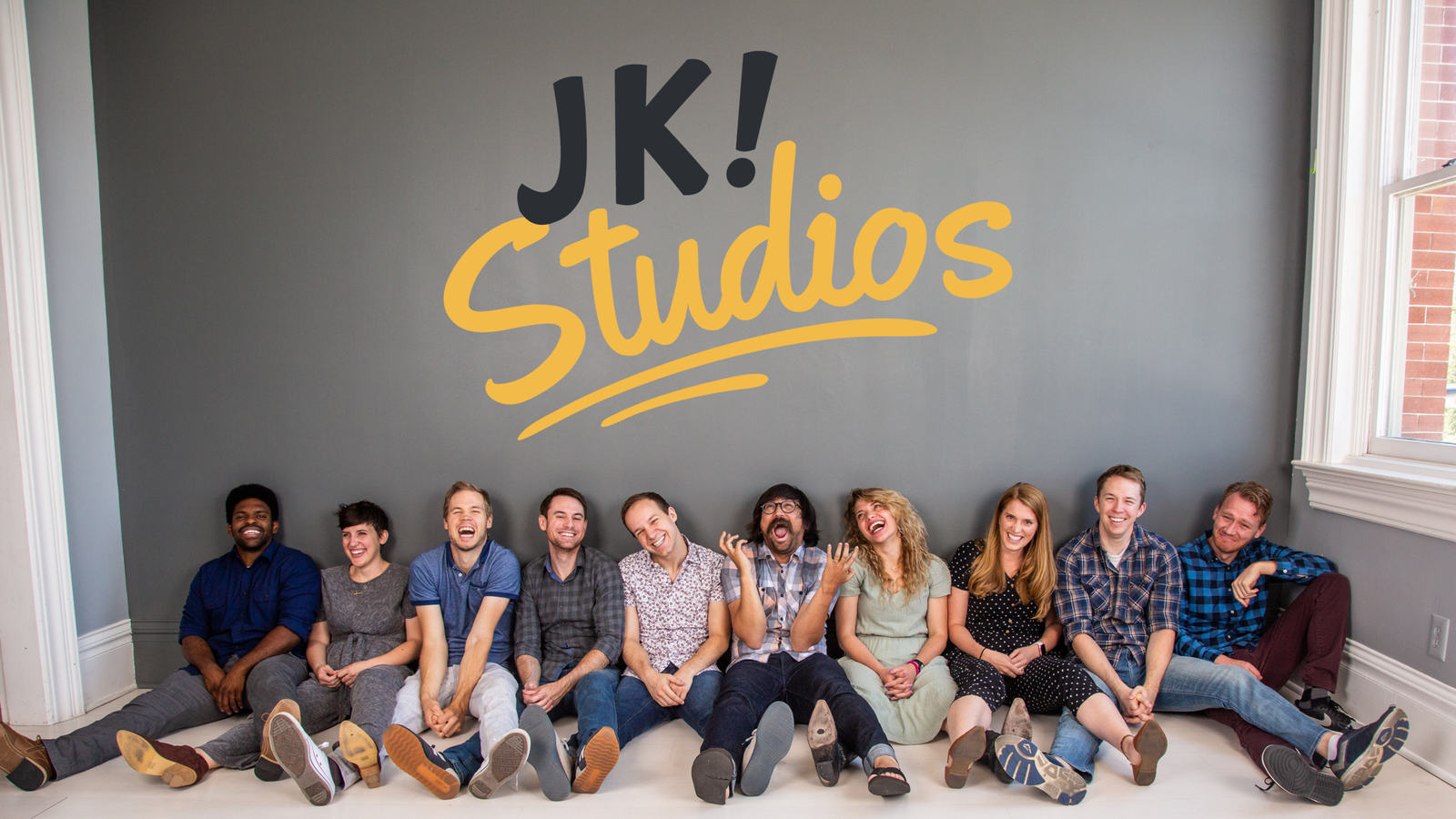
JK! Studios launched late last year when an ensemble of talented comedians and actors left the BYUtv cable network after 9 seasons and over 2 billion YouTube views to start their own company. They sought to take their knack for creating highly engaging, hilarious content and reach a broader audience on more platforms while expanding their brand storytelling portfolio.
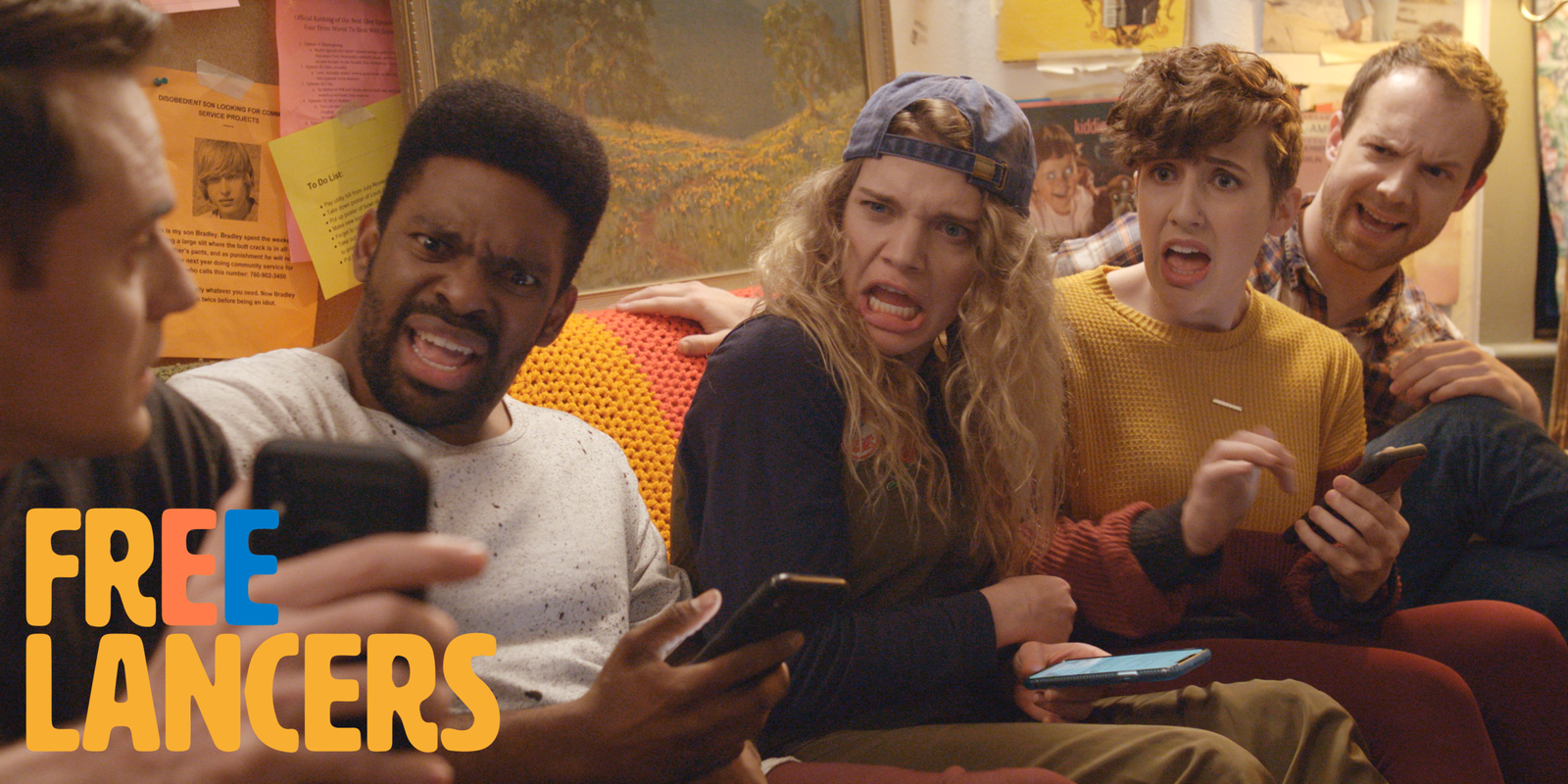
Since opening shop, JK! Studios has created two web series with different brand partners and have completed a number of one-off sketches for other brands. The studio aired a ten episode web series with Jane.com called Loving Lyfe, a satire of YouTube influencers and instagram culture, and just wrapped up an eight episode web series with Clickfunnels called Freelancers.
Brand Storytelling caught up with JK! Studios CEO and President Stephen Walter to talk about their creative process and the work of bringing comedy to brand-funded content:
Loving Lyfe PhotoFreelancers Photo
What is your process when it comes to ideating and producing brand funded comedic content?
It’s cliche to say it, but we start with the funny. Our team already has a small portfolio of shows in development, so we strive to collaborate with brands that have a product or service that fits well into our show. We then work closely with their creative team to make sure that we are speaking to their unique offering correctly. We’ve been lucky to find great brands that work well within our shows.
In what ways have you found that comedy endears consumers to brands?
Comedy can be a phenomenal way to engage with customers and tie them to a brand on an emotional level. It can also be a valuable tool for brand perception. For example, we recently collaborated on a web series with online fashion marketplace Jane, a ten episode series titled Loving Lyfe. With a growing skepticism around influencer culture – something Jane had previously prioritized in its marketing strategy – the brand wanted to shed light on the issue. At JK! Studios we created content spoofing influencer culture to help Jane reposition their brand. It was a very brave move for their whole executive team to use comedy to solve a unique problem while exposing their brand to a whole new audience and it’s still paying dividends for them.
What is JK! Studios creative common denominator? What is the through-line shared across all of your content?
Conan O’Brien was nice enough to host our ensemble on his show in 2017, and he commented that their work is “you do clean comedy, it’s for families… and in an era that wouldn’t be so popular… and it’s good comedy.” I’ve always appreciated that about their comedy – it’s funny without begging you to like it, it’s brand-safe and family-friendly without sacrificing laughs. This creates a perfect asset for marketing teams who long to start using long-form content like the full web series, but also gives them clips they can share across social media with gifs, photos, and etc. to round out the whole campaign on any platform.
What’s next for JK! Studios?
This summer six of our actors will be appearing on the new NBC comedy competitions series “Bring The Funny”. They shot this show last month on the Universal lot with the judges Chrissy Teigen, Jeff Foxworthy, and Keenan Thompson and had a ball doing it.
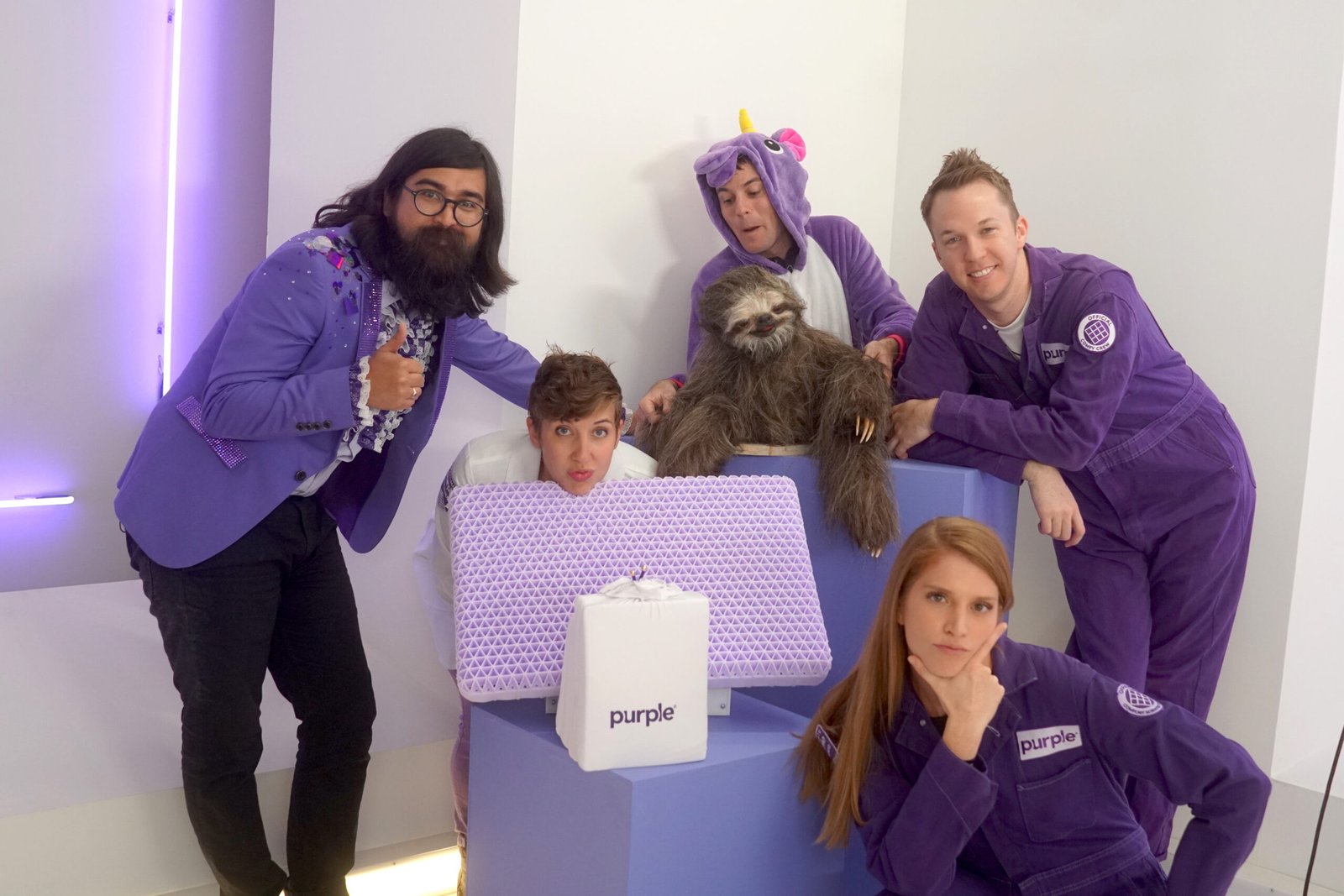
We partnered with Purple Mattress for a 10 episode web series, airing weekly all summer. We also are shooting a TV commercial which ties into the web series that Purple will be running concurrently. Purple’s marketing is legendary and we consider it a huge compliment that they are working with us. I loved the Purple Boys campaign they did with Absolutely last year.
We are currently looking for a partner on three different shows right now: Commute, a vehicle centric workplace comedy. Reincarnated, a sitcom about a down-on-their-luck man reliving his glorious past lives. For Her, Inc. an office comedy about branding products unnecessarily for women. Looking forward to sharing more details when I meet the BrandStorytelling family at Elevate this July.
—
Learn more about JK! Studios this Summer at ELEVATE, the premiere retreat for brand storytellers and their partners.
About Stephen Walter
Stephen Walter serves at the CEO and President of JK! Studios, where he oversees all production, branded content and creative development for the company.
Jordan Kelley, Content Director, Brandstorytelling.tv
As we pass the one-month marker of imposing self-isolation on ourselves as a nation, two things seem universal. We are all lamenting our inability to spend time outdoors and with one another, and we’re all upping the amount of content we consume. Fortunately for us, the latest YouTube Original documentary has arrived just in time to scratch both of those itches.
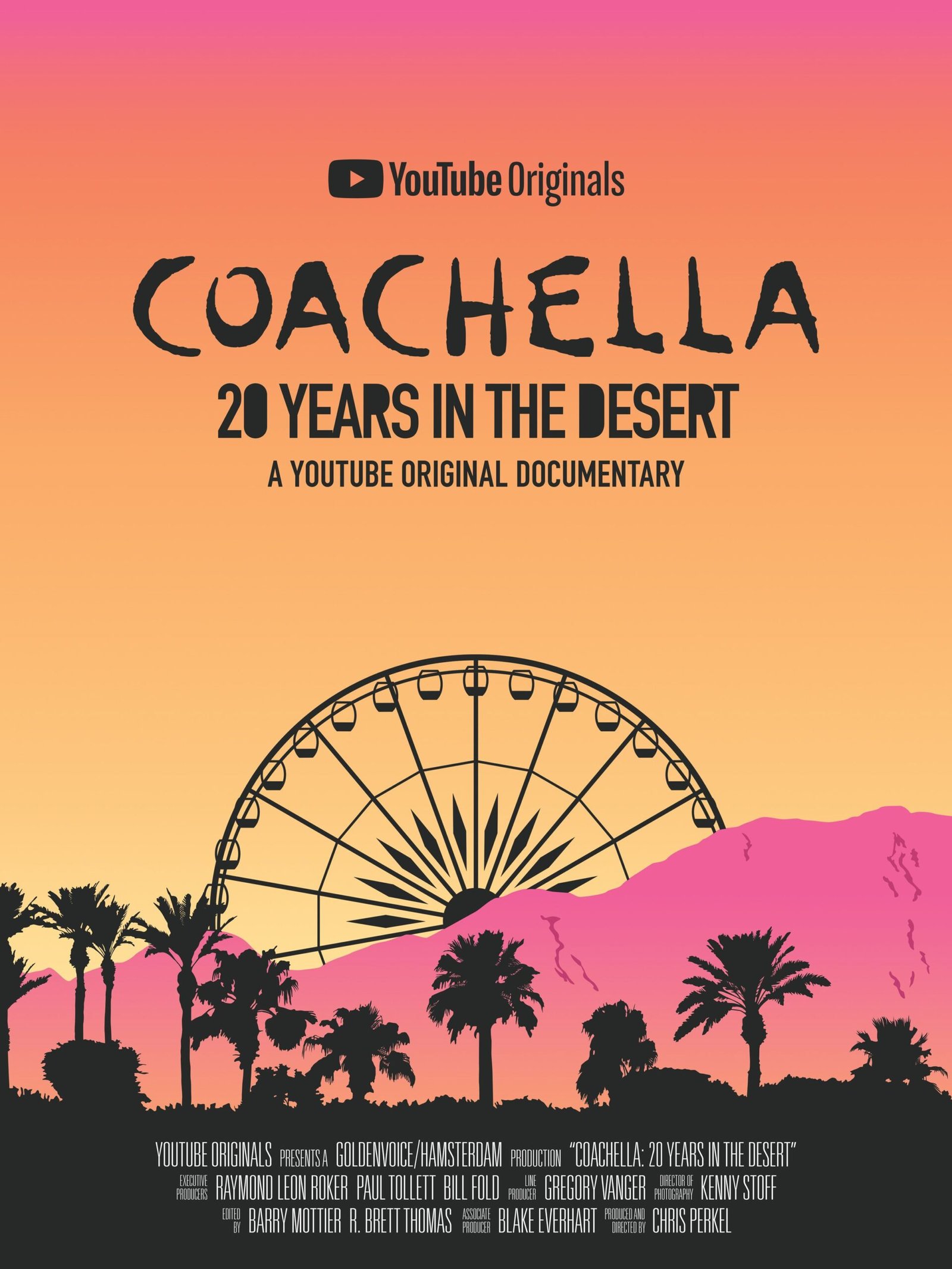
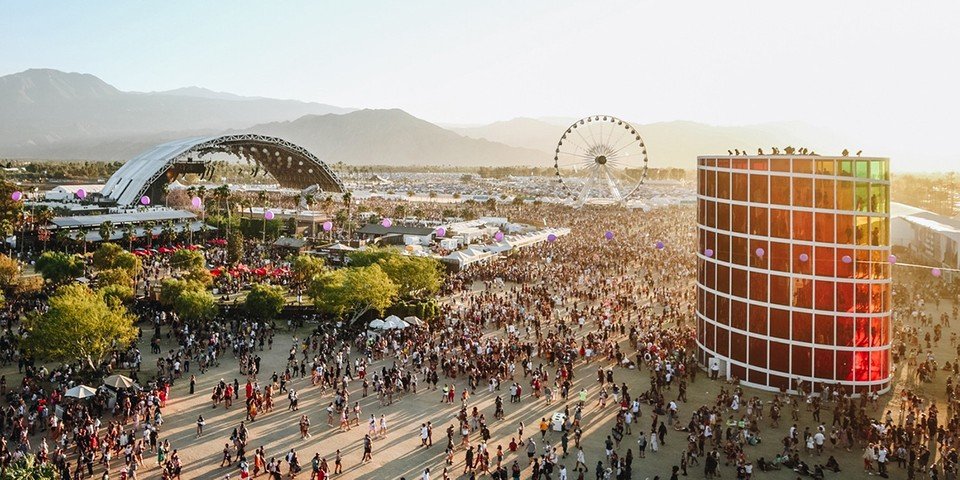
Coachella: 20 Years in the Desert is a documentary feature two decades in the making. It opens up the Coachella performance vault for the very first time to present the legendary performances and behind-the-scenes stories that shaped the seminal music festival. The film provides a rare look at Coachella’s colorful beginning, presenting exclusive, never-before-seen footage, interviews, and key performances from some of the biggest names in music.
It takes the right people with a specific focus and lots of experience to pull together a cohesive and entertaining doc that spans 20 years, so it should come as no surprise that the entity behind the project is AEG Studios, the in-house content division for the world’s leading sports and live entertainment company. Its leader, Raymond Roker, appears in the film and served as its executive producer.
Brand Storytelling caught up with Roker to learn more about how AEG Studios led this project and about working with a partner like YouTube to present it to the world:
What was AEG’s impetus behind telling this story outside of its being fascinating?
It was simply a matter of time and timing. I believe there was always the intention of releasing archive content since the only documentary on the festival was from 2006. So much had happened in the event, festival culture in general, and in music’s evolution since then so it was obvious that someday we’d push some of the material out. What we didn’t know was when, what format, and on what platform. For the first several years of me working on the project, it took a few different shapes. But from a purely historical perspective, as a storyteller myself, I was clamoring to bring this material to a wide audience in the right way.
What did the relationship between AEG Studios and Goldenvoice look like internally as it relates to the production of this documentary? Are there separate teams that come together? What were operations like?
The film is a Goldenvoice production and we also worked with an outside production company run by our director Chris Perkel. Goldenvoice happens to also be part of AEG. Within that, I look after AEG Studios, our in-house content studio focused on both brand work and originals. We have a nimble team that supports AEG Global Partnerships. But the more organic course of events sprung from the fact that my tenure at AEG started with Coachella as their first content director in 2013. So in my role as head of our studio, I also work with Goldenvoice’s marquee festivals as a key internal client. It sounds more complicated than it is, but essentially, it’s perfectly incestuous in the most productive and positive way.
At what point did YouTube become involved as the distributor of the doc?
YouTube has been the live stream partner for Coachella since 2011, a year before the famous Tupac Hologram which we talk about in the documentary. The platform has been central to delivering a worldwide audience to the festival as well as helping us innovate in the live broadcast space. Beyond that, their YouTube Originals team had an interest in the project and believed in the direction we and our director, Chris Perkel, wanted to take. The relationship we have with YouTube is synonymous with the festival’s growth and impact over the past decade, so it made the most sense to build on that for both parties.
Raymond, you appear more than once in the film – with a couple decades’ time in-between. What’s it like to reflect on seeing yourself at both ends of this documentary – as an executive and as a young curator of culture?
I always knew that I’d likely be interviewed for the film. Not only had I lived with the project since its beta inception—tasked with unearthing and caring for the archives, looking at and discussing the footage, and debating the context of various performances—but I had also witnessed much of it firsthand. I’ve been to every Coachella since 1999. And my relationship with Paul Tollett (founder of the festival) goes back to the 1990s. That said, I never envisioned playing such a central role in the narrative until Chris showed me the rough cut. It took me a minute to warm to seeing myself on screen, but my kids do get a kick out of daddy being in a movie. In terms of the topics I discuss on camera, I will say that they’re all areas I’ve been passionate about for my entire career. And being so close to the festival for two decades has been part of that cultural education, and the side stage view of watching it all play out. Matters of representation, music culture and criticism, cross-pollination, and under appreciated or misunderstood scenes are my jam. And an ability to be on record as part of both Goldenvoice and Coachella’s heritage is a privilege I don’t take lightly. I grew up going to GV shows and eventually Coachella, so this is as full a circle as there is. And I wish I still had those ‘90s overalls.
What inspired the choice to release the documentary as you did (on YouTube)? What do you think are the advantages of brands distributing original content on a platform like YouTube as opposed to a theatrical release or distribution on a paid subscription service?
Given what we’re going through, what a disaster a theatrical release would have been. But beyond that, we always knew the film would live on a digital platform. Our hope was also that we’d have a big premiere at a theater—which we had planned. But worldwide distribution with as little friction as possible was what we wanted for the long term. There’s no doubt that this film plays really well on a big screen, and at any other time, we’d have done a bunch of promotional screenings in theaters as part of the rollout. But there’s also something incredibly democratizing about simply sharing a link that takes you directly to a feature film at zero cost.
Are you happy with the film’s release, viewership, reception, etc?
I am. The weekend it came out was incredibly special. Coachella holds such a powerful place in the consciousness of its fans so we felt we had a duty to tell the story properly. When the feedback was immediately and overwhelmingly positive, as well as personal and heartfelt, I knew we’d done that. I couldn’t have predicted a better response from people after watching it and I was inundated with notes from my network and well beyond. YouTube, Susanne Daniels, Ali Rivera, Margaret Burris, and the entire team, have been so positive at every step of the way. My only regret is that the film is 104 minutes and there are so many more stories to tell.
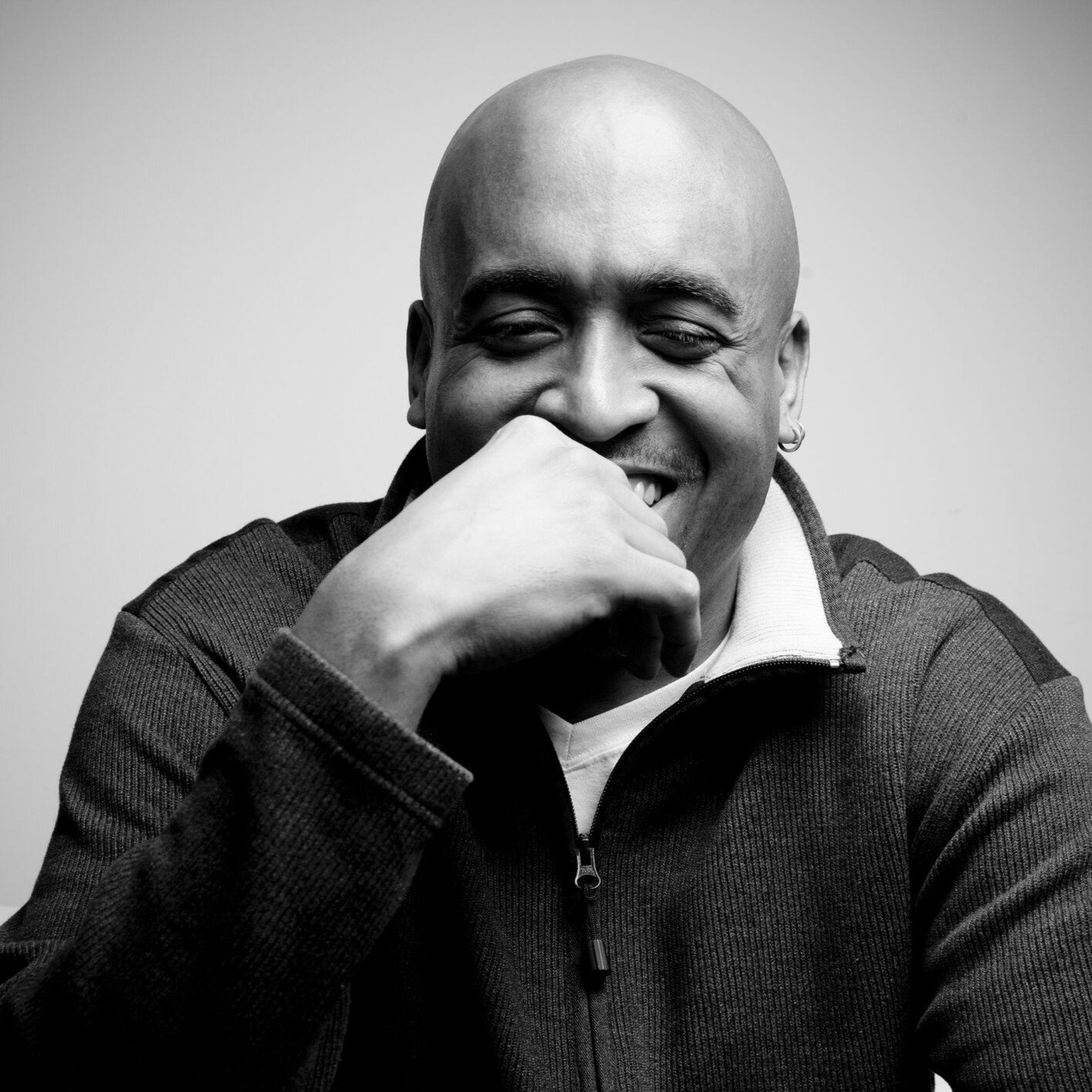
Raymond Leon Roker is head of AEG Studios for the Global Partnerships division of AEG, the largest sports and entertainment company in the world. Acting as an internal agency for AEG,Global Partnerships oversees worldwide sponsorship sales and activation for over135world-class platforms across five continents and numerous other assets including venues, sports franchises, events, tours, festivals and digital content among other AEG holdings.In 2017, Roker helped spearhead the launch of AEG Studios, the company’s first-ever in-house branded content division. As head of AEG Studios, Roker is directly responsible for managing the creation, production and development of innovative, original content for AEG as a whole as well as its numerous brand partners. With access to AEG’s global portfolio of assets across music, sports and facilities, Roker and his team oversee one-of-a-kind content marketing partnerships that add value and increase sponsorship outcomes for best-in-class brands around the world. As the driving creative force behind AEG Studios, Roker brings strategic insight and direction to every project the division touches, including all digital, print, video and mobile content.With a proven track record for innovative storytelling, Roker brings partners closer to the heart of live entertainment using bleeding edge virtual reality, documentary and episodic programming, 360-degree video and more. Under Roker’s leadership, AEG Studios has worked with a number of partners on successful branded-content campaigns, including Renaissance Hotels, Uber, H&M and American Express to name a few.Known for his award-winning creativity, Roker is a veteran content executive, producer, director and strategist with over 20 years of leadership and entrepreneurial experience across the industry. Prior to the launch of AEG Studios, Roker lead content strategy and development for Goldenvoice, a top festival and concert promoter and producer of the CoachellaValley Music &Arts Festival.Before joining AEG, Roker worked as a successful media CEO and entrepreneur for 19 years. He is the founder and publisher of URB magazine, an award-winning editorial and multimedia company where he played an instrumental role in innovating youth culture as well as the music space.He also launched the experiential marketing firmRebel Organization, which successfully oversaw youth and multicultural activations around the game-changing rollout of Toyota’s pioneering Scion line of cars.In addition, as a long-time content strategist and consultant, Roker worked for Red Bull Media House where he managed the U.S. launch of the 1.3 M circulationRed Bulletin magazine and digital platform.Roker’s interests as a storyteller also include work across photography, design and writing.As a passionate advocate and supporter of arts education, Roker isa longtime board member of Artworx LA, a community-based multidisciplinary arts program aimed at combating the high school dropout epidemic in Los Angeles.
Brand Storytelling is excited to announce the addition of a new panel that will showcase innovative new creative concepts for podcast audiences.
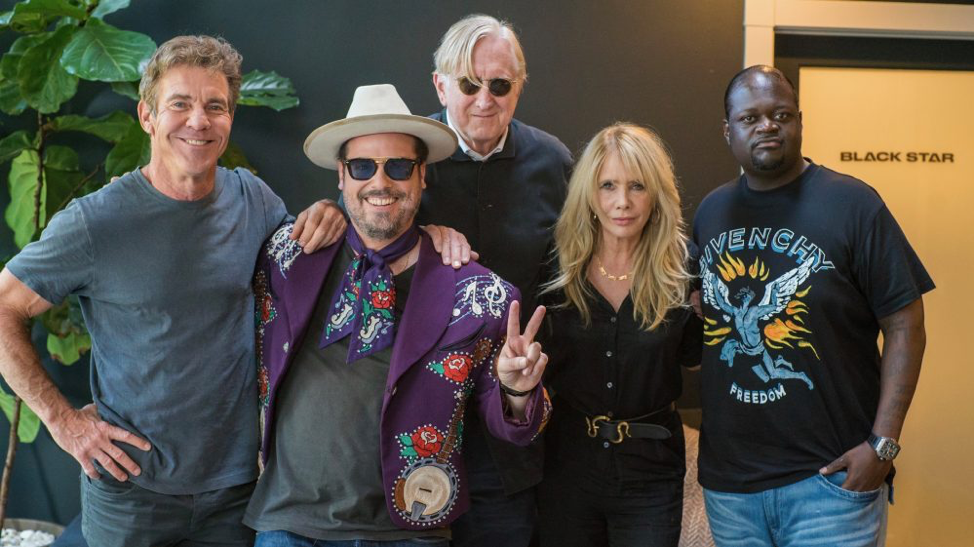
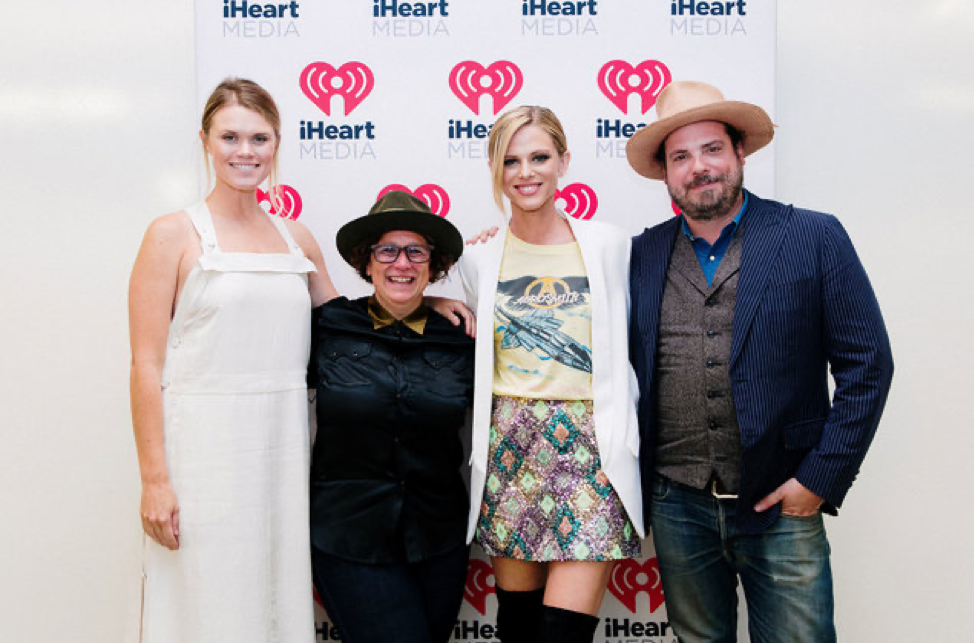
Dennis Quaid, Jingle Jared Gutstadt and Scarlett Burke will discuss new musical narrative podcasts they have launched together and the opportunity for future brand integrations.
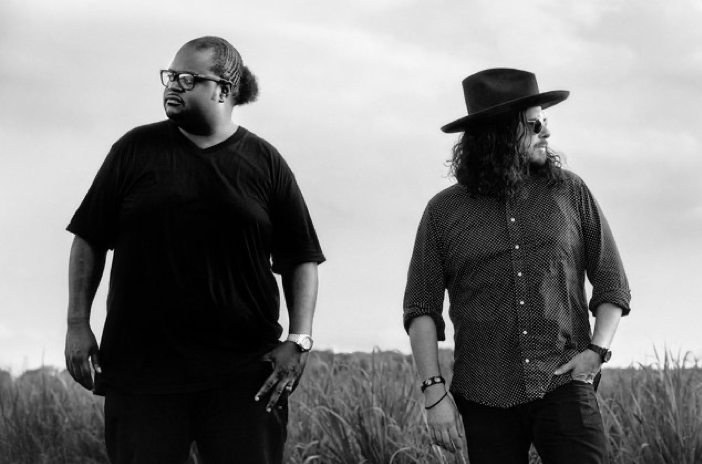
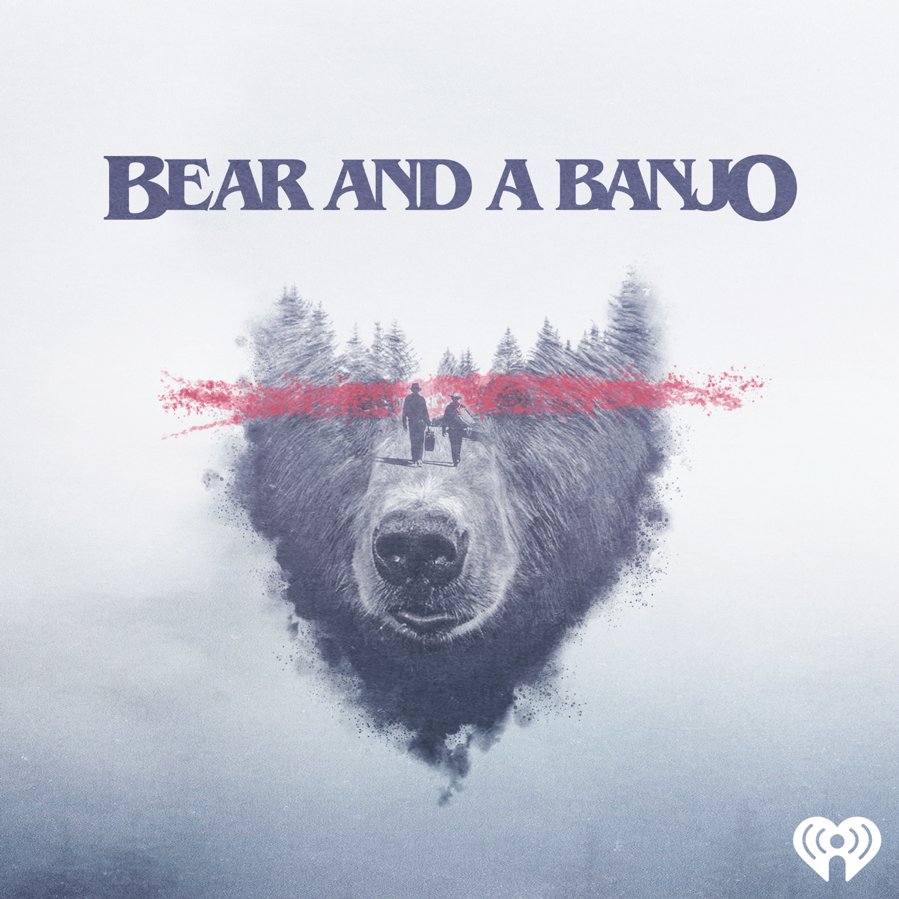
Gutstadt’s “Bear and a Banjo” follows a musical journey of the main character Mister Bear, performed by five time Grammy winner Jason “Poo Bear” Boyd. “Bear and a Banjo” also includes narration from Dr. Q, played by actor Dennis Quaid, musical contributions from producer T Bone Burnett, and original lyric contribution from Bob Dylan. All eight original episodes are available to stream from iHeartRadio wherever you listen to your podcasts.
“Bear and a Banjo” was sponsored by One Medical, which included the advertising during the podcast as well as a musical contribution. The song “Better Days,” produced and performed by Gutstadt and Boyd, focuses on mental health. The lyrics are inspired by anonymous posts online about depression, anxiety and mental illness.
“Make It Up As We Go,” follows a similar scripted musical format, highlighting the life of an up and coming country music artist in Nashville, performed by country western performer Scarlett Burke. Other talent that has helped this podcast come to life include actor David Arquette and contributions from American singer-songwriter Nicolle Galyon. “Make It Up As We Go,” is coming soon from iHeartRadio.
Quaid, Gutstadt and Burke will take the Brand Storytelling stage at 5:45pm on Thursday, January 23rd along with Brand Storytelling Director, Rick Parkhill, who will moderate the discussion that will explore brand opportunities within this emerging musical narrative podcast genre.
The Brand Storytelling audience can also look forward to a special musical performance from Quaid, Gutstadt and Burke!
Delivering impactful stories is rooted in understanding how your audience is feeling and what they need from you. So how do you tell stories when emotions are so uncertain and unstable? How are brands gauging what kinds of stories their audience is ready for? And how are they preparing for what’s next when “what’s next” is so hard to predict? It’s especially tricky in areas like money, health, and education.
Danielle Dardashti founded dash. to help marketers tell more impactful stories. She is an Emmy award-winning documentary producer/writer, a former on-air TV reporter, the co-author of three published books, and has held leadership roles in branded content at Meredith Corporation and Tribune Publishing. Danielle is an advisor to brands on story strategy, video, podcasts, and interactive experiences. She leads corporate workshops on Strategic Storytelling, and provides one-on-one story coaching for executives. In 2019, Danielle took home the top prize at Brand Storytelling’s open mic competition at Elevate in Park City, Utah. She lives in White Plains, New York, with her husband and their two teenagers.
Featuring
Alexa Christon
SVP of Brand
Pearson
Alexa is currently the SVP of Brand at Pearson – the world’s learning company. Previously, Alexa served as the Head of Media Innovation at GE where she led award winning work including GE Podcast Theater, NY x GE VR and Fallonventions ongoing segment with The Tonight Show starring Jimmy Fallon. Alexa has worked on brands such as Pepsi, Yahoo! and Time Warner Cable during her 15+ career in advertising and marketing.
As co-host of ADLANDIA, a bi-weekly podcast focused on the signals in the noise of the advertising/marketing industry, Alexa and co-host Laura Correnti challenge that “same ole’” thinking, address what’s in your feed, and highlight trends that haven’t hit the trades, or at least not quite in the same way. Each episode listeners will have a chance to meet some of the industry’s most inspiring talent and learn about the business models, ideas and obsessions they’re bringing to the booth.
Marcy Cohen
SVP Digital Communications
Mastercard
Marcy Cohen is Senior Vice President, Global Digital Communications at Mastercard. She is responsible for developing and implementing digital communications strategies to drive the company’s corporate reputation. She launched storylab, an in-house content studio infusing storytelling with creativity, color and authenticity. At the core of storylab is the Content Exchange, the company’s human centered storytelling site, launched during the Covid-19 pandemic. She conceived of the company’s first branded podcast, Fortune Favors the Bold about the role money plays in our lives. Prior to her current role she was head of social media at Sony Electronics where she led a team in developing and executing digital and social media initiatives for new product introductions and corporate brand initiatives.
Dana Gandsman
Senior Director, Reputation Communications, Pfizer Inc.
Dana currently leads communications to support Pfizer’s corporate reputation. This includes enterprise reputation measurement, corporate advertising, digital initiatives and colleague engagement activities.
Previously, Dana was responsible for product public relations for Pfizer Innovative Health where she oversaw global communications for several key brands in the portfolio, including Eliquis, Viagra and Chantix/Champix.
Prior to joining Pfizer, Dana worked at several public relations agencies where she supported global and US communications for a number of leading companies and brands in the pharmaceutical, consumer, OTC and non-profit sectors. Dana holds a BA in Political Science from Rutgers University.
Brad Young
Leader, Content Center of Excellence, Prudential
Brad Young leads the Content Center of Excellence at Prudential. He and his team of content experts are responsible for conceiving, writing and deploying experiences that deepen engagement and strengthen relationships with Prudential’s prospects and 25 million customers, while inspiring them to take action to improve their financial well-being. In his four years at the firm, he and his team have created more than 500 pieces of original editorial for customers and prospects, developed campaigns for customer engagement across email and other personalized channels, and strategized narratives for interactive financial planning products, tools and platforms.
Brad came to Prudential from Dun & Bradstreet, where he was Global Content Marketing Strategy Leader, reporting to the CMO. In that key role, Brad led the marketing team in the creation, curation and editorial coordination of world-class, modern content experiences for customers, prospects, partners and influencers of the firm.
Brad also spent 17 years at Time Inc., working in a number of roles across some of the world’s leading magazine brands. His roles included CMO of News and Business, and Associate Publisher – Marketing for FORTUNE Magazine. Brad began his career at Sports Illustrated in 1997.
A proud alumnus of Penn State University in State College, PA, Brad holds a Bachelor of Arts in Journalism, with concentrations in Political Science and Philosophy. While at “Dear Old State,” Brad was a writer and sports editor for PSU’s student newspaper, the Daily Collegian, where he covered major college athletics, including football, basketball, baseball and more.
Jordan Kelley, Content Director, Brandstorytelling.tv
Passion Point Collective Founder Marcus Peterzell
The Brand Film Festival US 2020 awarded brands film honors earlier this May, across multiple categories. With each passing year, brand films get better and better, appealing to larger audiences and gaining traction as entertainment beyond the brand advertising world. This is due in large part to how people perceive and receive the content in the first place. That’s where agencies like Passion Point collective come in. Passion Point clients IBM and HP took home a win each at this year’s festival, due in part to perception surrounding the films. After all, getting people to convert and press play is over half the battle.
Brand Storytelling caught up with Passion Point Collective Founder Marcus Peterzell to discuss what goes into influencing viewer perception of brand funded films and the future of the industry:
Marcus – congratulations on having IBM and HP take home wins from the Brand Film Festival. How do you feel about having Passion Point Collective listed alongside those brands as a winner?
Simply put, it’s an honor, really, especially for an agency that just celebrated its first birthday. These are iconic brands with amazing executives we are proud to call clients…there was even a 4th film that won which I started at my previous agency, so pretty amazing. This came after another one of our films “Wake Up” was an official selection at Tribeca and “History of Memory” just won a Webby as well…what a year.
In your opinion, what makes an award-winning brand funded film?
It’s always about the story, that’s the thread that truly makes it a film, and that story must have an emotional arc with a payoff at the end. That’s the magic mojo you must have, you can have brilliant images, moving music, a celebrity narration, but that won’t fix a film without a story.
How important is audience perception when it comes to delineating between a piece of branded content and something more elevated like a brand-funded film? How do you help clients achieve that delineation?
Great question. Some call this a gray area yet it’s really not, there is a huge difference between the two. Today’s audiences are savvy enough to easily distinguish between a long commercial that has some entertainment value vs a proper feature film. We tell our clients right up front that there are plenty of branded entertainment shops, but our mantra is to deliver a feature film that is NOT competing with branded entertainment, instead we are going head to head with indie and major film studio titles. Our key-art, trailer, distribution, PR campaign etc all mirror film studio output, which is not the scenario with the majority of branded entertainment.
The global pandemic has many brands looking to act with purpose. Do you think that as brands look to create more purpose-driven content that brand films will start to flourish?
Well this was a trend before Covid hit, albeit moving at a slow/moderate pace, and then Covid comes along and almost every brand is in the purpose driven content business. So yes brand funded films are a great vehicle for this, but we need a long lead time to produce and distribute content, and most brands want to pivot quickly. So for sure it will help, but our hope is that brands will embrace this relatively new format regardless.
What’s one piece of advice you’d give brands that have yet to break into brand-funded films but are eager to?
Ok I’m going to cheat and break my one piece into 3 parts:
Commit to a budget upfront that covers production AND marketing, don’t make a movie and then wonder what to do with it.
Work with an agency that has had a at least ½ dozen SUCCESSFUL brand funded films under their belt.
Do not push your brand into a story, find a story where your brand organically fits.
About Marcus Peterzell
Marcus is an industry leader in entertainment marketing who has successfully built and led award-winning agency teams both independently and within Omnicom, one of the largest advertising holding companies. Most recently Marcus was a partner and EVP of Entertainment at Ketchum PR as well as co-lead of their VR Practice, winning dozens of accolades including four Cannes Lions and a PRSA Silver Anvil. In 2019 Marcus launched Passion Point Collective, a new boutique agency that provides brands with next-generation entertainment marketing services and solutions.
Spectrum Productions has, in the last month, evolved its brand identity. In November, CEO & Executive Producer Guy Nickerson announced Spectrum Productions would embark on the next chapter of its story as Remedy Television + Branded.
Remedy’s specialized team of television producers, content developers, advertisers, storytellers, digital minds and branding experts produce and drive effective and engaging content for audiences, networks, brands and agency partners across every platform.
The new name reflects the studio’s commitment to problem solving and creating compelling content for each and every client. Clients like Sheraton Hotels and Marriott Content Studio, who recently partnered with Remedy Television + Branded to tackle a transition of their own.
The resulting content, titled The Heart of Gathering, is a short-form documentary that showcases Sheraton’s reinvention through the depiction of a creative and problem-solving journey that ultimately brings people together.
Brand Storytelling caught up with Remedy CEO & Executive Producer Guy Nickerson to learn more about their work with Marriott Content Studio and Sheraton Hotels:
What was the thought process behind undertaking this task of ideating and executing content with a partner like Marriott Content Studio and Sheraton?
We believe one of the strongest ways to build brand affinity is through storytelling. A continuous conversation that doesn’t just speak to a brand’s communication objectives, but rather showcases its values with content that is not just meaningful, but entertaining to the consumer. We teamed up with Marriott Content Studio and Sheraton Hotels to create one such story, as the brand embarked on their own transformation. And as we were helping to tell their story, were in the process of creating our own – evolving our brand as Remedy Television + Branded.
Was there a brief or starting point you worked from to arrive at the “gathering” story?
Sheraton is in the midst of a transformation – evolving both the brand and its physical hotel spaces to build a vibrant, global, community – the World’s Gathering Place. As part, Remedy was tasked with developing an engaging content series to create awareness of this brand evolution, to get people excited and interested in what Sheraton is going to become.
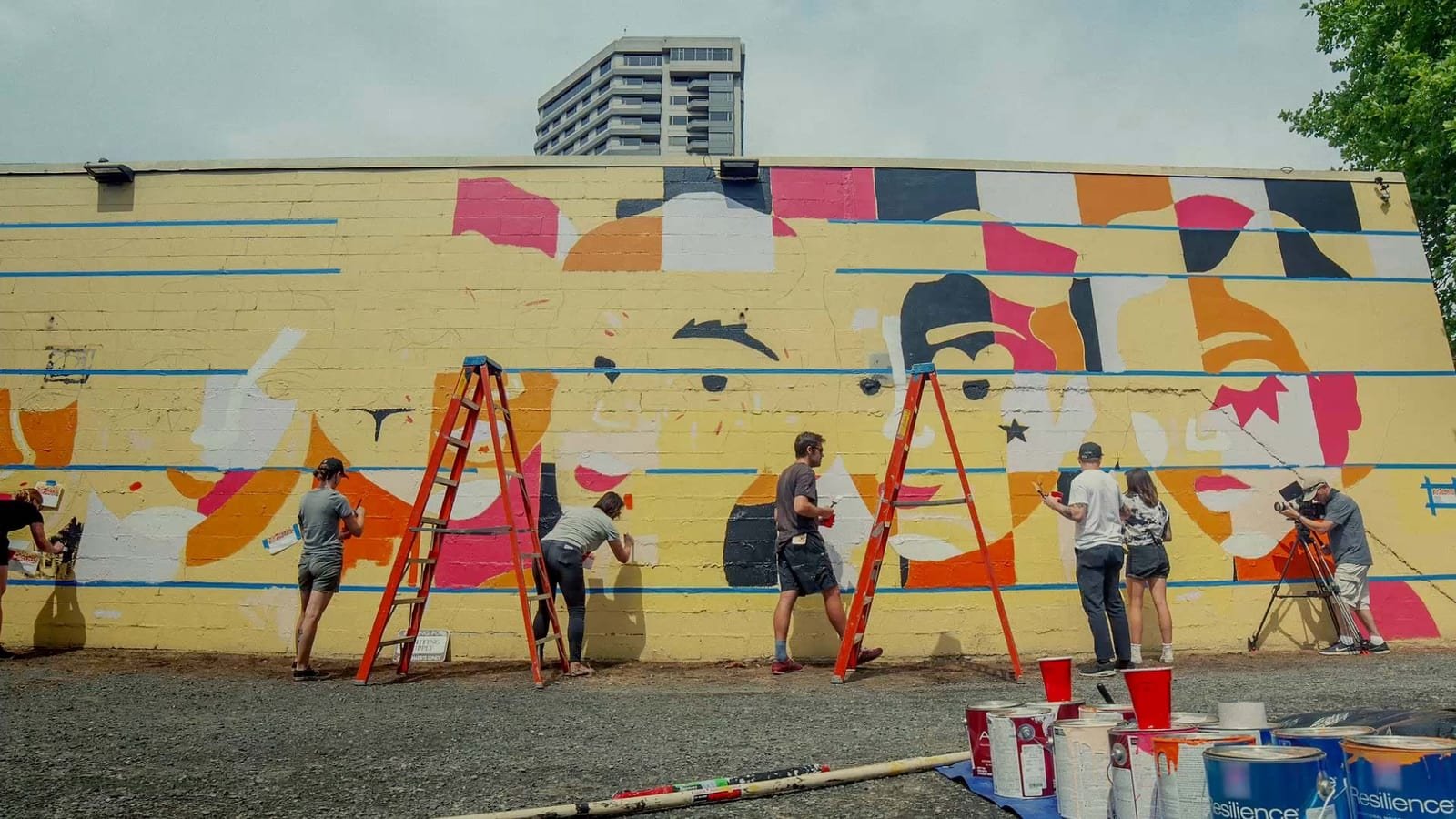
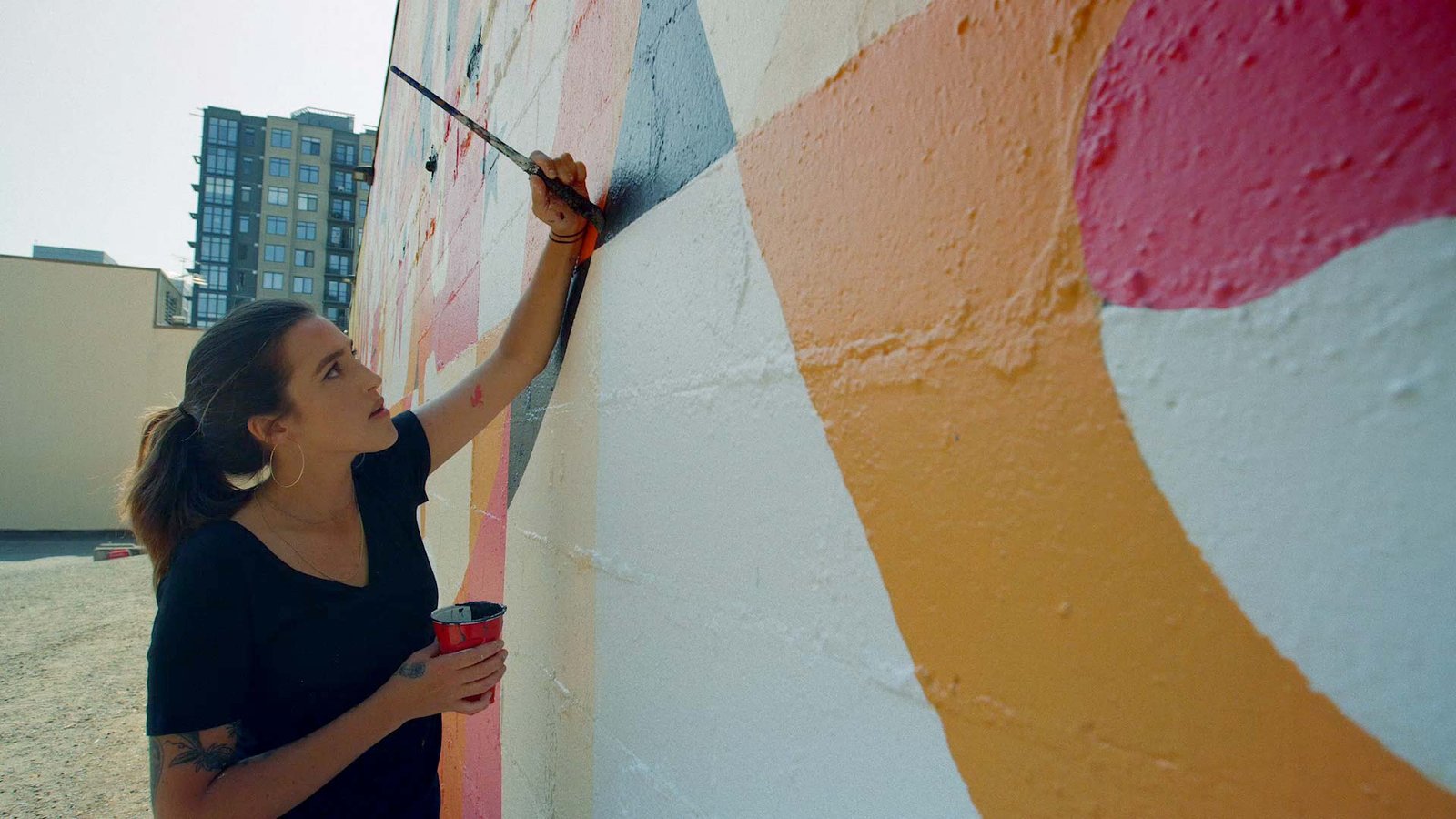
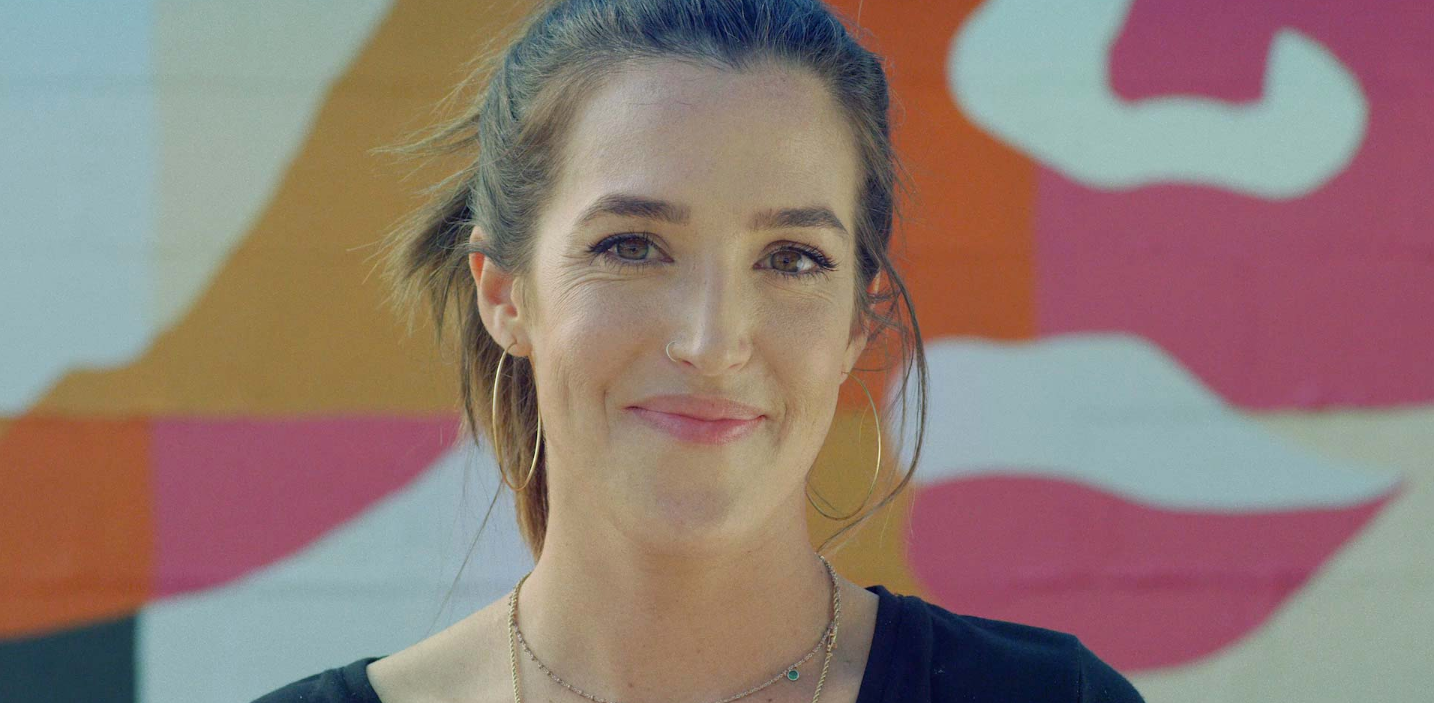
Our process began with a concept that would explore the reasons why people gather – capturing the joy and fortitude of the human spirit and the benefits of humans working together. Through a robust casting process we identified a non-profit group, Beautify Earth, whose mission is to bring people together through community art. As part, Beautify Earth and the Remedy team engaged local artist, Cady Bogart, to beautify a Seattle neighborhood and bring a large-scale mural to life as the basis for our story.
So how did you get from concept to final product?
The Heart of Gathering evolved as a short-form documentary showcasing Sheraton’s reinvention, and celebrating stories from the community as we undertook the creation of this colorful mural in the Belltown neighborhood of Seattle. We captured the journey unfolding, showcasing the power of collaboration, problem-solving and artistic expression – ultimately illustrating the power of bringing people together.
What sort of content plan was implemented around the short form doc?
As part of the larger campaign, Remedy developed a series of social assets and behind-the-scenes content for promotion of the main film, including video, stills, GIF’s, boomerangs and other multimedia assets – creating a much bigger story though the creation of this supplemental content.
The film was distributed across owned platforms including YouTube and IGTV, co-distribution with project partners, as well as paid promotion of social assets across Facebook and Instagram.
About Remedy Television + Branded
Remedy Television + Branded is an Emmy Award-winning entertainment, branding and content studio with offices in Tampa and offices in Los Angeles. While surfing on Florida’s east coast during the summer of 1989, CEO and Executive Producer Guy Nickerson was inspired to launch the company as Spectrum Productions. The 30-year-old content studio’s beginnings are a result of his love of adventure and great storytelling, and remain at the company’s core today. With seven Emmy Awards and thousands of episodes of television programming and branded entertainment, Remedy Television + Branded is one of America’s leading creators of original content. For more information, visit: www.remedystudios.com.
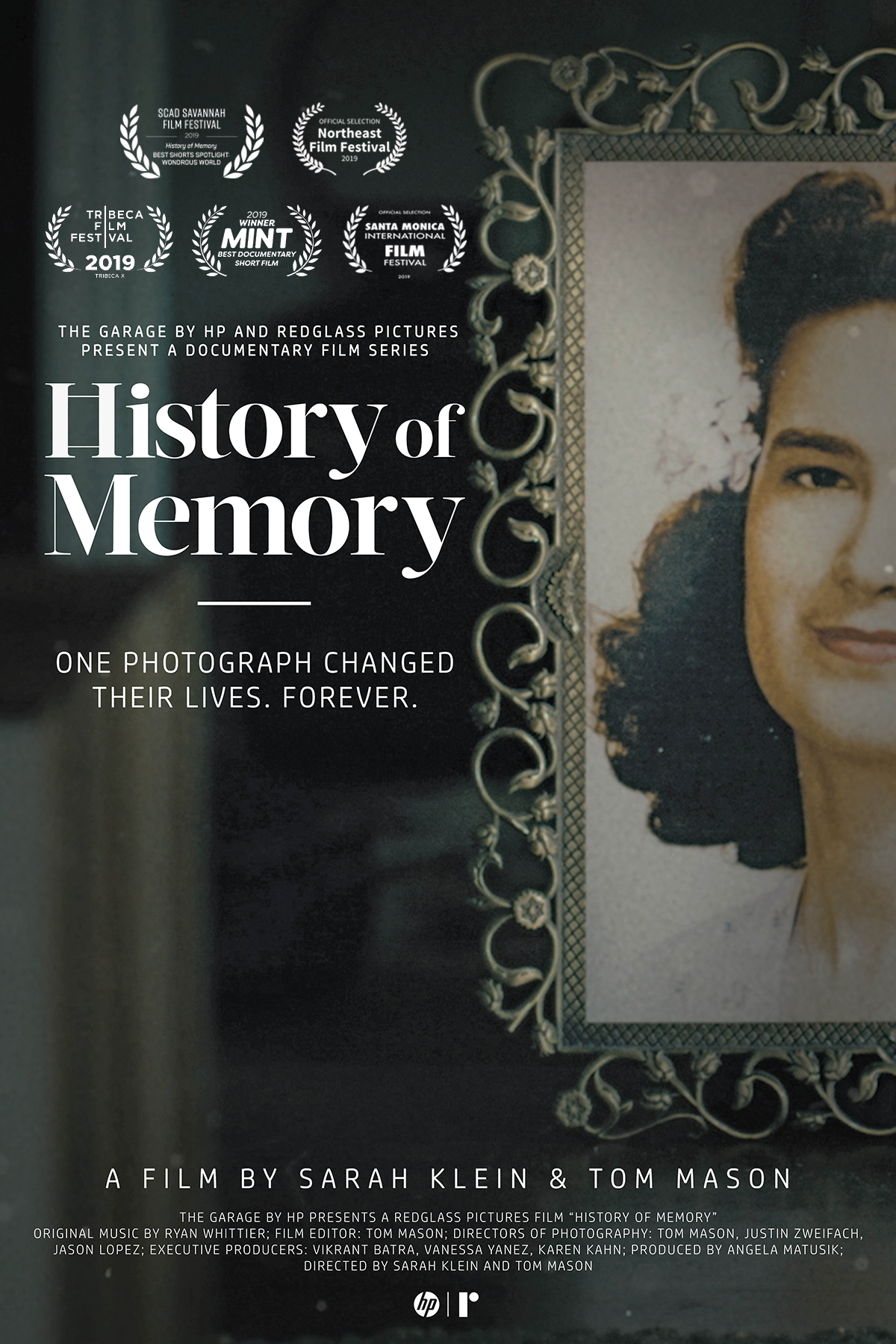
This January, Brand Storytelling had the privilege of screening HP’s “History of Memory”, four stories sharing the common theme of the power of the printed photograph. Filmmakers Sarah Klein and Tom Mason showcased the project with Angela Matusik, Head of Corporate, Brand Content & Creative at HP.
It was there that Angela spoke on behalf of the brand and broke down the choices to pursue this creative and story-driven project for the audience. In that audience was Marcus Peterzell who, like the rest of the folks in the room, was moved by the work. Peterzell and Matusik connected then and there to discuss the potential future of the project.
Peterzell would go on to found and serve as CEO of Passion Point Collective a few months later, with client HP waiting in the wings with a stellar piece of content to share. The team-up resulted in a whirlwind year for History of Memory in the press and at the top of festival lists.
Brand Storytelling caught up with Marcus Peterzell and Angela Matusik to learn more about the continued success of “History of Memory”:
History of Memory has been celebrated in various arenas throughout the year. Can you elaborate on where for readers who are unaware?
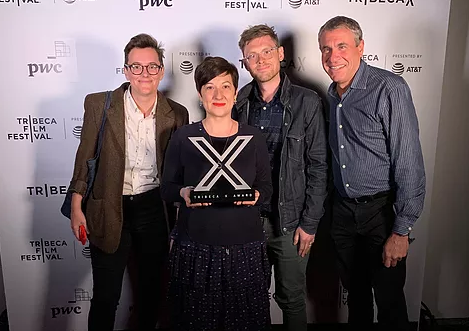
Marcus Peterzell: One of the first things Angela and I agreed on was an aggressive film festival strategy. Often times this is a slippery slope as many festivals thumb their noses at brand funded films, but we felt History of Memory was a strong contender and could shine through the clutter. So, my Passion Point Collective team curated a target list of 20 festivals to apply to and we crossed our fingers and toes. Then the fun began as not only did we get accepted into Tribeca X with a very late entry, we ended up winning our category which was a thrill for the entire team. To be fair that branch of Tribeca was dedicated to brand funded films, but weeks later we ended up winning more festivals including Northeast and Savannah, and in those instance we were up against traditional independent films from amazing directors, but we kept coming up on top, a true testament to the film’s directors and Angela as the producer, a great film is a great film, period.
Angela Matusik: We had always planned to release the films through the brand’s digital platforms — Facebook, YouTube, and our site, the Garage — but submitting them to the film circuit really helped us see them in a different light. By piecing all four shorts together into one 22-minute film, we created something that truly worked on a big screen. The audience reactions at each these events have been amazing.
The series seems to resonate with anyone who sees it because of its intrigue and humanity. How does one ensure throughout all stages of production that the end product strikes the right balance between existing to foster emotion/entertain and existing to ultimately market a product?
MP: Angela, you take this one!
AM: For these films, our goal as a brand was to solicit a reaction in the viewer — to remind people about the important role printed photographs have in our lives. We didn’t have a mandate to connect the stories to a specific product. Because of that, we could really let stories unfold and let our filmmakers, Sarah Klein and Tom Mason, lead the way. We knew we wanted to hit different beats with each one — a mystery, a love story, a discovery, etc. — and put our trust in their talents to research to find the most compelling subjects. But the true emotional balance comes together in post-production. The pacing of the film, the music that’s chosen, adding humor when needed.
Did you know you had hit on something special from the outset? When it was completed?
MP: Speaking for me, I saw History of Memory already completed for the first time at last year’s Brand Storytelling Conference during Sundance, and I knew this could be a big winner, it just had that magic and emotional arc that captures an audience.
AM: The Brand Storytelling conference was a big ah-ha moment for us. It was the first time we were sharing the films outside of our inner project circle. We showed two of the four films and got such an incredible response. The community was so supportive and enthusiastic. It was then that we connected with Marcus and began to think about stitching all four films together to apply to film festivals.
Many believe that all they need is for folks to see the work they’ve put forth to connect with it. This was certainly the case with History of Memory, but what did it require to put History of Memory in front of people?
MP: One of our initial approaches was to go after media hard, so our team pitched out screeners of the film to dozens of entertainment and film writers and we found droves of writers who loved the film and reviewed it, we even ended up on the front page of the LA Times business section, we hit a chord for sure. Then to further reach our target audience we licensed the film to key VOD outlets including Docurama, Amazon, iTunes, Hoopla, and Vimeo.
AM: I should add that we did also release the films individually, on HP’s digital channels. We connected each to a moment in time — Valentine’s Day through to National Adoption Day just the other week. This allowed us to catch a wave of organic traffic and promote them across all our platforms. With the release of each film, we’ve gotten smarter and smarter with how we promote them.
How do gatherings like Brand Storytelling at Sundance Film Festival benefit those seeking to share their brand-funded content and impact entertainment?
MP: Well for HP and Passion Point Collective, Brand Storytelling was the conference that brought us together, Angela arranged to screen the film and was open about asking for marketing and distribution suggestions and I raised my hand immediately so certainly this conference helped launch History of Memory, we thank you!
AM: Brand Storytelling is where our journey with this project began. It was the first time we were able to show the films on a screen in front of an audience — and not just any audience, but an audience of our peers and smart marketers. Their insights, advice and encouragement are what propelled us forward.
About Angela Matusik
Angela Matusik is a digital content marketing executive who has developed, launched and re-invented brands, franchises, videos and digital products for over two decades. She spent much of her career leading creative teams at media brands, including InStyle, People and NBC’s iVillage. She joined HP in September 2017 as the head of brand journalism, a role which was recently expanded.
About Marcus Peterzell
Marcus is a leading entertainment marketing executive who spent the last 15 years leading agency divisions within Omnicom, including the last eight years as a Partner and EVP at Ketchum. Marcus left Omnicom to form Passion Point Collective earlier this year and in 9 months the boutique agency has attracted over a dozen clients including HP. Passion Point Collective has quickly become a leader in the brand funded film space along with its strong music and celebrity practice.